
DID YOU KNOW?
Water Treatment Methods
Practical guides to water purification, disinfection, reverse osmosis, activated carbon, chlorine and chloramine treatment, remineralization, and other methods, including their realistic limits.
EXPLORE THE HIDDEN SIDE OF WATER
Browse by Water Topic
Choose a focused guide collection or browse the entire knowledge center.
Selected: Water Treatment Methods. Results update instantly below.
Water Treatment Methods
Expert Guides in This Topic
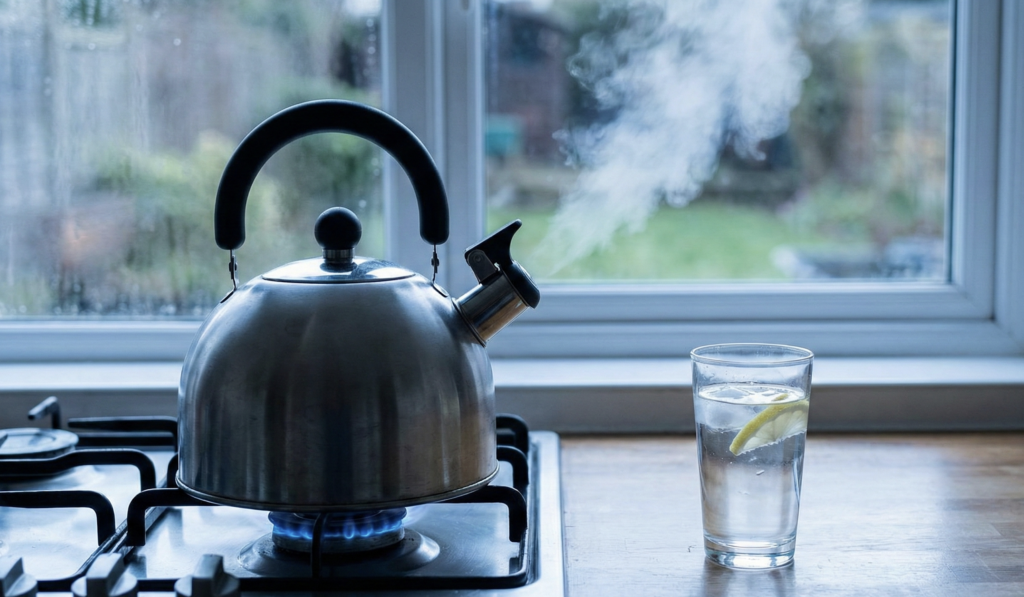
Does Boiling Water Remove Contaminants? What It Kills and Leaves Behind
Boiling is one of the most useful emergency methods for making microbiologically unsafe water safer. It can inactivate many bacteria, viruses, and parasites. But boiling is not complete purification, and it should not be expected to remove lead,…
Read article
Chloramine vs. Chlorine: Differences, Filters, and Removal Limits
Chlorine and chloramine are both used to control microorganisms in public drinking water, but they are not interchangeable. Their chemistry, persistence, and treatment requirements differ,…
Read article
Chlorine in Shower Water: Effects, Limits, and Treatment Options
Many public water systems use chlorine or chloramine to control microorganisms. That residual protects water as it moves through distribution pipes. It can also affect…
Read article
Can Reverse Osmosis Add Minerals Back? What Remineralization Does
Reverse osmosis can be paired with a stage that adds minerals back to the treated water, but the RO membrane itself does not perform that…
Read article
How to Remineralize RO Water: Methods and Limits
RO water can be remineralized, but the first question is whether reverse osmosis was necessary in the first place. RO reduces many dissolved substances, including…
Read article
Does Reverse Osmosis Remove Minerals? What It Means
Yes, reverse osmosis removes minerals from water. RO works by pushing water through a semipermeable membrane that reduces many dissolved ions. That can include calcium,…
Read article
Can Activated Carbon Filter Hot Water? Temperature and Safety Limits
Activated carbon should not be used with hot water unless the exact filter, housing, seals, tubing, and installation are explicitly rated for the intended temperature.…
Read article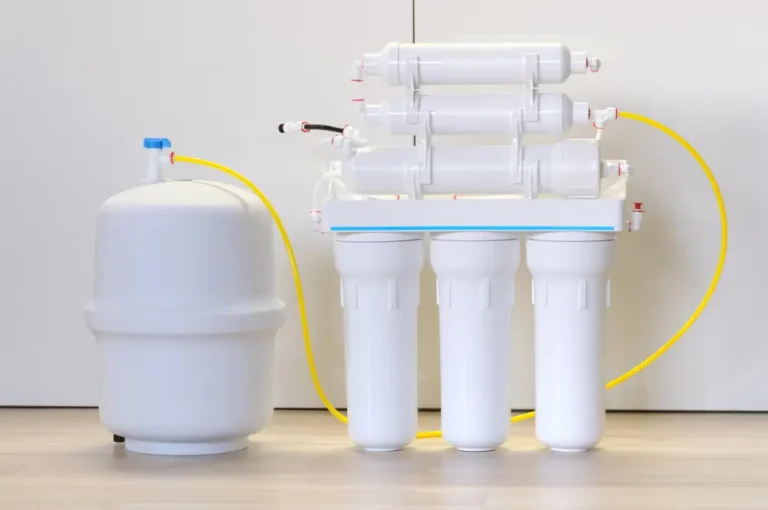
Reverse Osmosis: Benefits, Disadvantages and When It Is Worth It
Reverse osmosis is neither a scam nor the right answer for every home. It is a well-established membrane process that can reduce many dissolved contaminants,…
Read article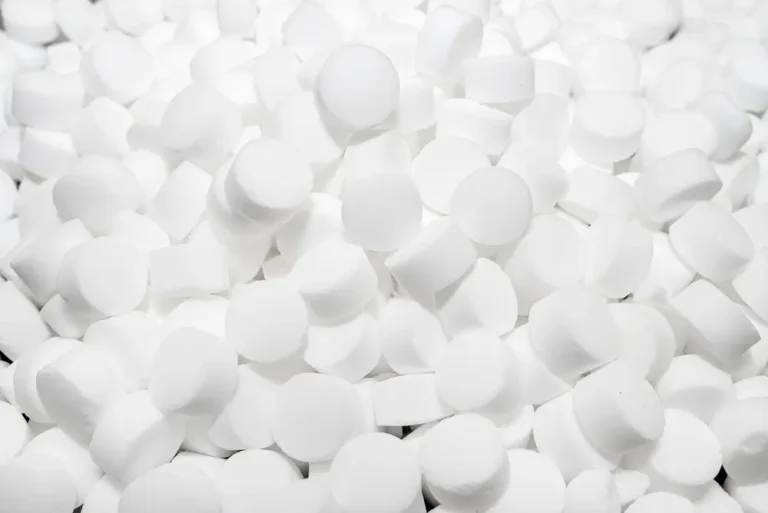
Salt-Based Water Softeners: How They Work, Pros, Cons and Alternatives
A salt-based water softener is one of the most established ways to reduce water hardness. It can be highly effective when a home needs true…
Read article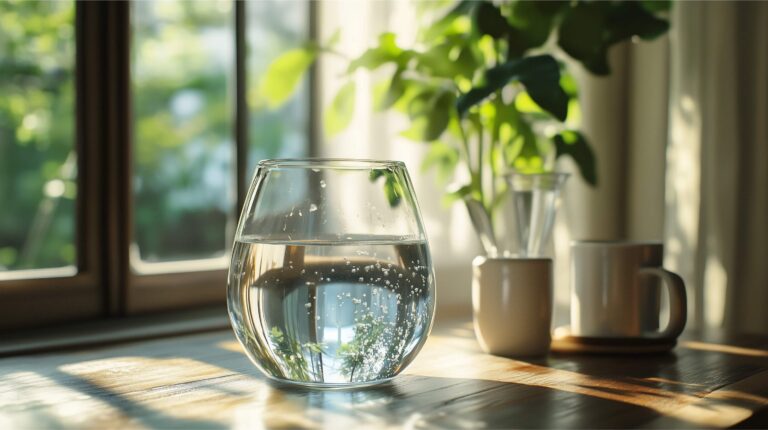
How to Purify Water at Home: Methods, Filters, and Testing
How to Purify Water at Home The best way to purify water at home depends on what is actually in the water. No single household…
Read article
How to Sterilize Water: Safe Disinfection Methods and Limits
People often ask how to sterilize water, but household methods usually disinfect water rather than prove that it is sterile. Disinfection reduces disease-causing microorganisms to…
Read article
Chlorine in Tap Water: What to Consider Before Whole-House Removal
Chlorine in tap water serves a clear public-health purpose: it kills germs during treatment and leaves a residual that continues working as water travels through…
Read article