How to Purify Water at Home
The best way to purify water at home depends on what is actually in the water. No single household method removes every contaminant. Sediment filtration, activated carbon, membranes, UV, boiling, distillation, softening, and scale conditioning solve different problems.
Start with the water source and a defined goal. Public-water customers can review the utility’s Consumer Confidence Report. Private well owners are responsible for their own testing and can use the EPA’s private well resources together with state or local guidance. When a specific contaminant matters, select a system with a model-specific reduction claim for that contaminant.
What Does Water Purification Mean?
“Purification” is a broad consumer term. A useful treatment plan identifies the substance or characteristic to be changed and the level of treatment required. Water can look clear and still contain dissolved chemicals or microorganisms. It can also taste unpleasant while meeting health standards.
The CDC recommends testing the water and matching the system to the germs or chemicals of concern. In some homes, one treatment stage is enough. In others, a sequence is needed because a sediment problem, hardness, chlorine, and a drinking-water contaminant are separate issues.
Common Home Water Problems and Matching Methods
Sediment, Sand, Silt, and Rust Particles
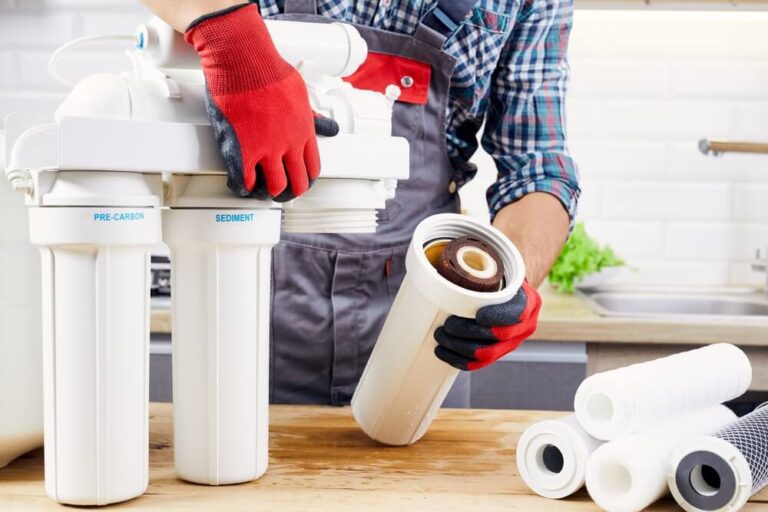
Sediment filters capture suspended material and can protect downstream equipment. They do not normally remove dissolved hardness, salts, nitrate, arsenic, or viruses. Micron ratings should be read together with whether they are nominal or absolute, the flow rate, and the tested particle-reduction claim.
Chlorine, Taste, and Odor
Activated carbon can reduce chlorine and many taste or odor compounds. Different carbon media and contact times affect performance. Standard carbon should not be treated as a universal solution for microorganisms, hardness, lead, nitrate, or every organic chemical.
Bacteria, Viruses, and Parasites
Boiling and approved emergency disinfection are temporary responses during an advisory. Permanent treatment may use a validated membrane, UV, chlorination, or a treatment train selected for the water source and target organisms. See our guide to the best water filter for bacteria and viruses for the differences among these technologies.
Lead, Arsenic, Nitrate, and Other Dissolved Contaminants
These contaminants require model-specific treatment. Depending on the substance and water chemistry, options may include certified adsorption media, ion exchange, reverse osmosis, distillation, or another engineered process. A basic sediment or taste filter should not be assumed to remove them.
Hard Water and Limescale
Hardness is mainly associated with dissolved calcium and magnesium. Ion-exchange softeners remove hardness ions. Scale-conditioning systems aim to reduce adherent deposits without necessarily lowering measured hardness. A sediment filter alone does not remove dissolved hardness. For more detail, see how to reduce limescale.
Home Water Purification Methods
Boiling
Boiling is useful for emergency microbial disinfection. The EPA recommends a rolling boil for at least one minute, or three minutes above 5,000 feet. Boiling does not remove most chemicals, salts, or heavy metals and may concentrate some dissolved substances as water evaporates.
Activated Carbon Filtration
Carbon is commonly used at a faucet, under a sink, or in a whole-house system for chlorine, taste, odor, and selected organic compounds. Performance depends on the exact media, amount of carbon, contact time, incoming concentration, flow, and replacement schedule.
Microfiltration and Ultrafiltration
Membrane pore size helps determine what may be reduced, but the complete validated claim matters more than the technology name. Microfiltration can reduce parasites and some bacteria but is not generally a virus-removal method. Ultrafiltration can reduce bacteria and may reduce some viruses, depending on the exact membrane and test conditions.
Nanofiltration and Reverse Osmosis
These processes can reduce many dissolved contaminants and microorganisms when correctly designed and maintained. They also require pressure, pretreatment, membrane service, and management of concentrate or reject water. Review the label for the exact contaminant claim rather than assuming every membrane removes the same substances.
Ultraviolet Treatment
UV inactivates microorganisms rather than physically removing them. Clear water and pretreatment are important because particles can shield organisms. UV does not remove dissolved chemicals and normally needs electricity, lamp replacement, sleeve cleaning, and flow control.
Distillation
Distillation boils water and condenses the vapor. It can remove microorganisms, minerals, and many chemicals, but it is relatively slow and energy intensive. Some volatile compounds may require additional treatment.
Water Softeners and Scale Conditioners
Softeners and conditioners address hardness or scale behavior. They should not be presented as broad drinking-water purifiers unless the exact system includes additional stages with verified claims.
Whole-House vs Point-of-Use Purification
A whole-house or point-of-entry system treats water before it reaches most fixtures. It can be useful for problems affecting plumbing, showers, appliances, and multiple taps. An under-sink or point-of-use system treats one drinking-water location and can focus on contaminants relevant to ingestion.
The right choice depends on exposure route, flow, cost, space, maintenance, and the measured problem. Treating all household water is not always necessary, while treating only one tap is not enough for issues involving showers, water heaters, or the full plumbing system.
How to Choose a Home Water Purification System
- Identify the water source and review current utility or laboratory data.
- List the exact concerns in order of importance.
- Decide whether treatment is needed at one tap or throughout the property.
- Compare model-specific reduction claims, test conditions, flow, and certification scope.
- Account for installation, pressure, drainage, power, cartridge life, and service access.
- Use follow-up testing when a measurable contaminant reduction matters.
Common Mistakes to Avoid
- Choosing a system only by micron rating
- Using a TDS meter as a safety test
- Assuming clearer water is free of germs
- Assuming carbon removes every chemical
- Using a general filter to ignore a boil-water advisory
- Buying a whole-house system without checking peak flow
- Failing to replace cartridges, lamps, or membranes on schedule
TipaTech Home Water Treatment Options
The TipaTech T-18 is designed as a whole-house filtration and water-conditioning system for broad household concerns such as fine particles, chlorine reduction, and scale management in supported configurations. The exact reduction claims should be verified against the current documentation for the supplied model and water conditions.
The LotusDY is designed for point-of-use drinking-water treatment. It can complement whole-house treatment when the drinking tap requires a different level or type of treatment. Neither product should be described as removing every contaminant in every water source.
Explore TipaTech water purification systems or review the water filter installation guide before planning a configuration.
The Bottom Line
To purify water at home effectively, define the problem before selecting the equipment. Use public water reports or private well testing, match each treatment stage to a verified target, choose point-of-entry or point-of-use treatment based on where it is needed, and maintain the system throughout its service life.
Frequently Asked Questions
What is the best way to purify tap water at home?
There is no universal best method. Carbon may address chlorine and taste, a certified point-of-use system may target a specific dissolved contaminant, and UV or a validated membrane may be needed for microorganisms. Testing and product claims should guide the choice.
Does boiling remove chemicals from water?
No. Boiling disinfects against many microorganisms but does not remove heavy metals, salts, or most chemicals. Some dissolved contaminants may become more concentrated as water evaporates.
Can I purify water with a homemade filter?
A homemade sand or charcoal filter may improve appearance but cannot be assumed to make contaminated water safe. Use approved emergency guidance or a validated treatment system.
Is a whole-house filter better than an under-sink filter?
They serve different purposes. Whole-house treatment is useful for issues affecting many fixtures, while an under-sink system focuses on drinking and cooking water at one location.
How do I know which contaminants a filter removes?
Review the exact model’s label, certification listing, contaminant-reduction claim, flow rate, capacity, and test conditions. A general technology name or micron rating is not enough.