limescale reduction
Table of Contents

To reduce limescale effectively, first decide whether you want to remove hardness minerals or manage their tendency to form deposits. Ion-exchange softeners lower hardness by removing calcium and magnesium. Scale-conditioning systems aim to reduce adherent buildup while leaving much of the mineral content in the water. Point-of-use reverse osmosis can reduce hardness at one drinking-water tap but is not a whole-house scale solution.

The best limescale treatment for a whole house depends on measured hardness, water chemistry, temperature, peak flow, plumbing, appliance needs, maintenance, and local discharge rules. Existing deposits may also require cleaning or professional descaling. An upstream system is mainly intended to manage future water conditions, not guarantee immediate removal of old scale.

What Causes Limescale?

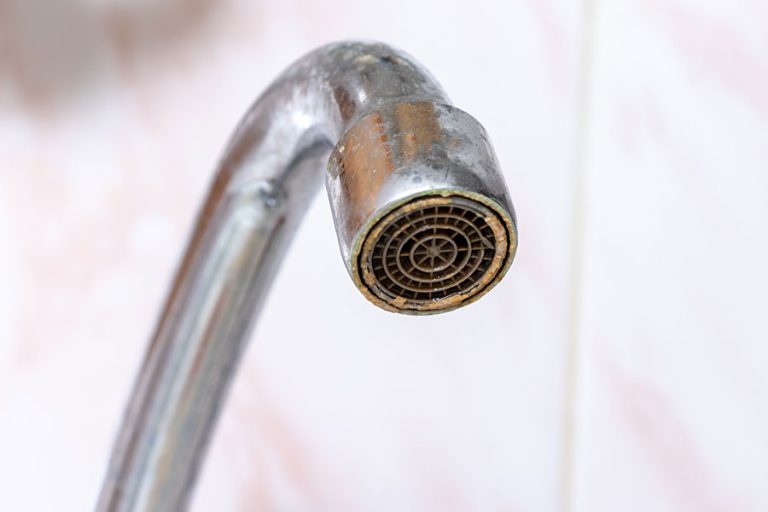
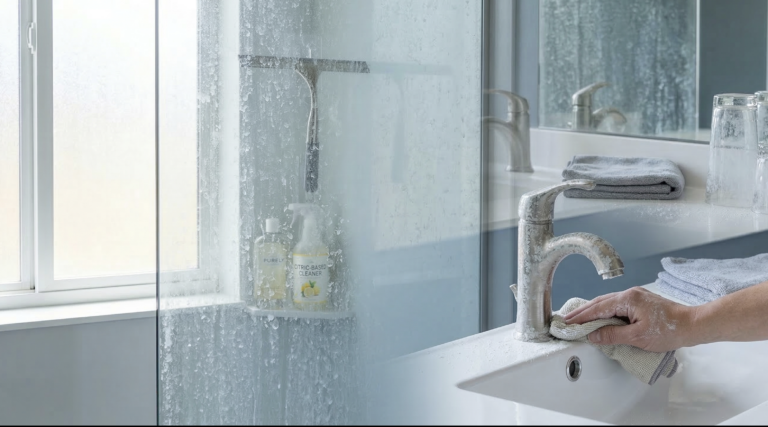
Hard water contains dissolved minerals, primarily calcium and magnesium. Limescale is the solid deposit that can form when conditions cause those minerals to precipitate on faucets, shower screens, heating elements, heat exchangers, appliances, and inside plumbing.

Heating, evaporation, pressure changes, pH, alkalinity, residence time, and the overall mineral balance can influence deposition. The U.S. Geological Survey explains that hardness varies widely with geology and water source. A regional map is useful background, but a utility report or local test is needed for one property.

Hard Water and Limescale Are Not the Same Thing

Hardness is a measured characteristic of the water. Limescale is a deposit that may result from that water under certain conditions. A treatment can reduce scale formation without making the water “soft,” and a sediment filter can remove particles without changing dissolved hardness.

This distinction matters when comparing products. Ask whether a system removes hardness ions, conditions their behavior, filters suspended material, or combines several functions.

Test Before Choosing a Limescale Treatment

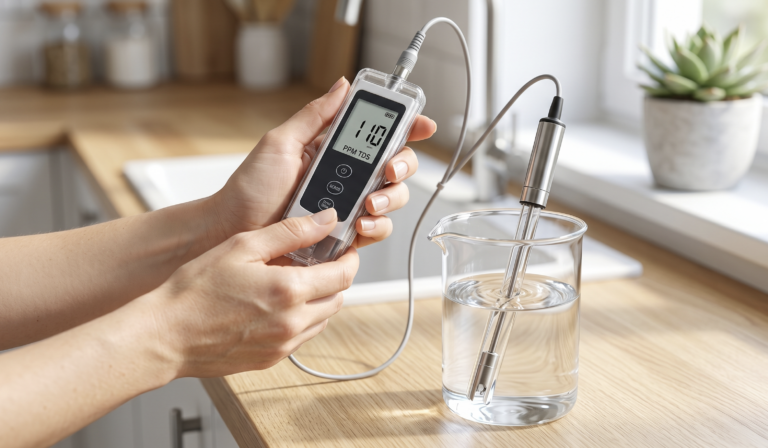
A useful assessment may include hardness, pH, alkalinity, total dissolved solids, iron, manganese, silica, temperature, and any contaminants relevant to the source. Also inspect where the problem occurs:

  • White spotting on fixtures and glass
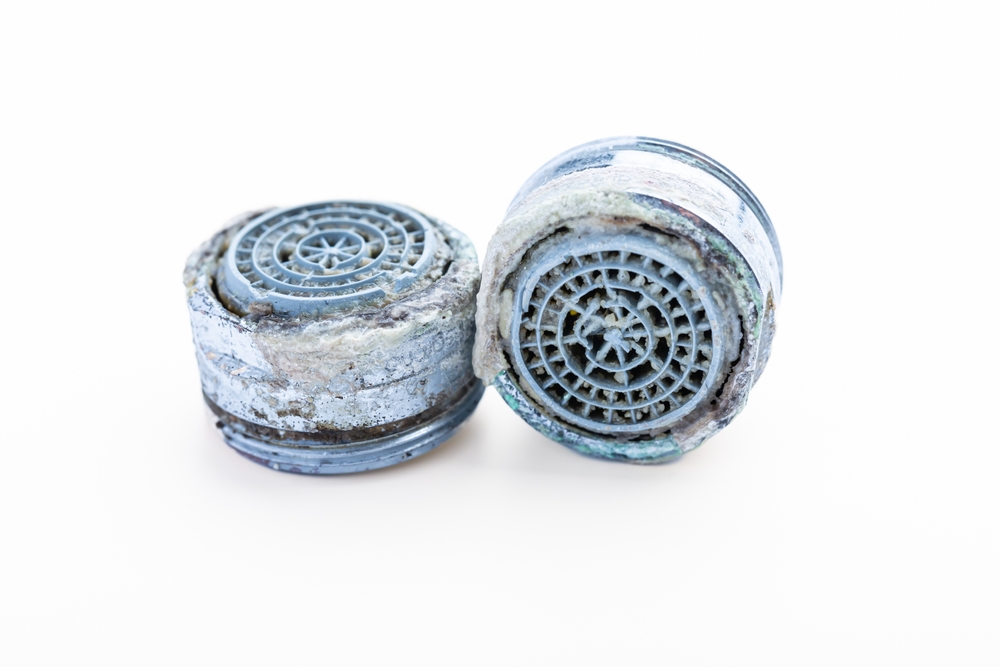
  • Crust on showerheads and faucet aerators
  • Deposits in kettles and coffee equipment
  • Scale on water-heater elements or heat exchangers
  • Reduced flow caused by confirmed internal buildup

Visible residue can also contain soap, silica, corrosion products, or sediment. Testing prevents a homeowner from treating every white mark as the same problem.

How to Reduce Limescale in a Whole House

Ion-Exchange Water Softeners

A conventional softener exchanges calcium and magnesium for sodium or potassium ions. This directly reduces measured hardness and is an established option where true soft water is the goal.

Softeners require regenerant, periodic service, and a discharge connection. They change the mineral composition of treated water, and sodium addition may matter for people following a medically restricted sodium plan. That does not mean all softeners are unsafe or illegal. Product suitability and brine-discharge rules depend on the household, equipment, and local requirements.

Salt-Free Scale Conditioning

Scale conditioners are designed to change how hardness minerals form or attach to surfaces without necessarily removing calcium and magnesium. Technologies include template-assisted crystallization and other media-based or physical processes.

These systems should be evaluated using performance data for the actual water chemistry and operating conditions. They should not be marketed as softeners unless they lower measured hardness, and they should not promise a completely scale-free home under every condition.

Reverse Osmosis

Reverse osmosis can reduce calcium, magnesium, and many dissolved substances at a point of use. It is useful where drinking water or a specific appliance needs lower mineral content. A typical under-sink RO system does not prevent scale throughout the home’s showers, heater, and plumbing.

Whole-house membrane treatment is possible but requires engineering for pressure, pretreatment, recovery, drainage, membrane service, and water chemistry. It is not automatically the most practical limescale solution.

Chemical Dosing and Sequestration

Some commercial or residential systems use controlled dosing to limit precipitation or corrosion. The chemical, dose, monitoring, and intended use must be appropriate for potable water and local requirements. This is not a do-it-yourself process.

Magnetic and Electronic Devices

Performance claims for magnetic and electronic scale devices vary by technology, installation, and water conditions. A device should be judged by transparent testing that matches the pipe, flow, hardness, temperature, and outcome being claimed, not by a general statement that all limescale is eliminated.

Sediment Filtration

Sediment filters can capture sand, rust, silt, and other suspended particles. They generally do not remove dissolved calcium and magnesium, so a finer sediment cartridge is not automatically a stronger limescale treatment.

Removing Existing Limescale vs Preventing New Deposits

A treatment system mainly changes the water that passes through after installation. Existing scale may remain inside a heater, heat exchanger, pipe, showerhead, or appliance. Follow the appliance manufacturer’s cleaning instructions or use a qualified technician where disassembly, acid cleaning, or safety controls are involved.

Claims that old deposits will disappear within a fixed number of weeks should be treated cautiously. Results depend on deposit thickness, composition, flow, temperature, and whether the equipment can safely release loosened material.

How to Compare Limescale Reduction Methods

  1. Confirm the hardness and water chemistry.
  2. Decide whether the goal is true softening, scale management, easier cleaning, or protection of one appliance.
  3. Choose point-of-entry or point-of-use treatment.
  4. Review verified performance at the property’s flow and hardness range.
  5. Compare water use, electricity, salt or media, discharge, maintenance, and service access.
  6. Plan how existing deposits will be inspected or cleaned.

Scale can reduce heat-transfer efficiency, but energy savings vary with appliance condition and use. See limescale and electricity use for a cautious evaluation, and review the guide to scale deposits for the underlying process.

TipaTech’s Approach to Scale Management

The TipaTech T-18 is designed as a whole-house filtration and water-conditioning system that helps manage scale without conventional salt-based ion exchange or electrical power in its standard hydraulic operation. It is intended to retain naturally occurring minerals rather than remove hardness ions.

That description should not be read as a guarantee of zero deposits in every home. Actual performance depends on source-water hardness, alkalinity, pH, temperature, flow, installation, configuration, and maintenance. Current model-specific documentation should be reviewed for the property being treated.

The LotusDY is a point-of-use drinking-water system. It may be useful for a specific drinking tap, but it is not a substitute for a whole-house strategy when scale affects heaters, showers, and plumbing.

For a broader treatment comparison, see how to purify water at home.

The Bottom Line

The right way to reduce limescale depends on the goal. Use ion exchange when true hardness removal is required. Consider a well-documented conditioner when the goal is scale management while retaining minerals. Use point-of-use membranes for a specific tap or appliance. Test the water, compare verified claims, size the system correctly, and separate future prevention from cleaning existing deposits.

Frequently Asked Questions

What is the best limescale treatment for a whole house?

There is no universal best option. Ion exchange is established for removing hardness, while scale conditioners aim to reduce adherent deposits without removing the minerals. The choice depends on water chemistry, flow, maintenance, discharge, and the desired result.

Does a water filter remove limescale?

A standard sediment or carbon filter usually does not remove dissolved hardness minerals. A softener, scale conditioner, membrane, or other process designed for hardness is generally required.

Can limescale be reduced without salt?

Yes. A documented salt-free scale-conditioning system may help manage deposits without ion-exchange salt. It normally does not make the water soft or reduce the measured hardness value.

Will a new system remove old limescale?

Not necessarily. Existing deposits may need cleaning or professional descaling. An upstream treatment system mainly changes the conditions affecting new water and future buildup.

Is hard water unsafe to drink?

Hardness is usually an aesthetic and operational concern rather than proof that water is unsafe. Other contaminants must be evaluated separately through a utility report or appropriate testing.

whole house water filtration systems

Cleaner. Smarter. Healthier

At TipaTech we specialize in advanced whole house water filtration systems designed to protect your health and improve your water at every tap. Our patented technology reduces lead, bacteria, microplastics and harmful chemicals while preserving essential minerals like magnesium. Tested and Certified by IAPMO Compliance to: NSF/ANSI 42/61/372-2022 standards. Our systems deliver safe, eco-friendly, antioxidant-rich water with no electricity, no waste and no compromises.

Make Your Water Smarter

This article is for informational purposes only and is not medical advice. TipaTech products are designed to support water quality, not to diagnose, treat, cure, or prevent any disease. Product performance varies based on source water, usage, and professional installation. TipaTech disclaims any liability arising from reliance on this content.

About the Author

Baruch Ziser

Founder & Senior Scientific Consultant | Inventor of the TipaTech Filtration Systems

Baruch Ziser is a leading expert in water technology with fifty years of experience. As the inventor of TipaTech filters and a senior scientist at the Technion’s INOVATEC program, he has developed advanced water systems that reduce impurities while retaining and adding the necessary minerals for optimal body function. His innovations are recognized globally for improving drinking water quality in homes and agriculture.

The TipaTech Water Filtration Systems have been Tested and Certified by IAPMO

& Compliance to NSF/ANSI/CAN standards

NSF/ANSI/CAN Standards | IAPMO, R&T, UPC and the Standards Council of Canada

More to Know

DID YOU KNOW?  ·  HARD WATER & LIMESCALE

How to Reduce Limescale: Whole-House Treatment Options

Compare whole-house limescale treatments, including softeners, salt-free conditioners, reverse osmosis, and filtration. Learn what each method does.

By Baruch Ziser Updated July 22, 2026 4 min read
How to Reduce Limescale: Whole-House Treatment Options
TOPICHard Water & Limescale
READING TIME4 minutes
FIRST PUBLISHEDFebruary 17, 2025

To reduce limescale effectively, first decide whether you want to remove hardness minerals or manage their tendency to form deposits. Ion-exchange softeners lower hardness by removing calcium and magnesium. Scale-conditioning systems aim to reduce adherent buildup while leaving much of the mineral content in the water. Point-of-use reverse osmosis can reduce hardness at one drinking-water tap but is not a whole-house scale solution.

The best limescale treatment for a whole house depends on measured hardness, water chemistry, temperature, peak flow, plumbing, appliance needs, maintenance, and local discharge rules. Existing deposits may also require cleaning or professional descaling. An upstream system is mainly intended to manage future water conditions, not guarantee immediate removal of old scale.

What Causes Limescale?

Hard water contains dissolved minerals, primarily calcium and magnesium. Limescale is the solid deposit that can form when conditions cause those minerals to precipitate on faucets, shower screens, heating elements, heat exchangers, appliances, and inside plumbing.

Heating, evaporation, pressure changes, pH, alkalinity, residence time, and the overall mineral balance can influence deposition. The U.S. Geological Survey explains that hardness varies widely with geology and water source. A regional map is useful background, but a utility report or local test is needed for one property.

Hard Water and Limescale Are Not the Same Thing

Hardness is a measured characteristic of the water. Limescale is a deposit that may result from that water under certain conditions. A treatment can reduce scale formation without making the water "soft," and a sediment filter can remove particles without changing dissolved hardness.

This distinction matters when comparing products. Ask whether a system removes hardness ions, conditions their behavior, filters suspended material, or combines several functions.

Test Before Choosing a Limescale Treatment

A useful assessment may include hardness, pH, alkalinity, total dissolved solids, iron, manganese, silica, temperature, and any contaminants relevant to the source. Also inspect where the problem occurs:

  • White spotting on fixtures and glass
  • Crust on showerheads and faucet aerators
  • Deposits in kettles and coffee equipment
  • Scale on water-heater elements or heat exchangers
  • Reduced flow caused by confirmed internal buildup

Visible residue can also contain soap, silica, corrosion products, or sediment. Testing prevents a homeowner from treating every white mark as the same problem.

How to Reduce Limescale in a Whole House

Ion-Exchange Water Softeners

A conventional softener exchanges calcium and magnesium for sodium or potassium ions. This directly reduces measured hardness and is an established option where true soft water is the goal.

Softeners require regenerant, periodic service, and a discharge connection. They change the mineral composition of treated water, and sodium addition may matter for people following a medically restricted sodium plan. That does not mean all softeners are unsafe or illegal. Product suitability and brine-discharge rules depend on the household, equipment, and local requirements.

Salt-Free Scale Conditioning

Scale conditioners are designed to change how hardness minerals form or attach to surfaces without necessarily removing calcium and magnesium. Technologies include template-assisted crystallization and other media-based or physical processes.

These systems should be evaluated using performance data for the actual water chemistry and operating conditions. They should not be marketed as softeners unless they lower measured hardness, and they should not promise a completely scale-free home under every condition.

Reverse Osmosis

Reverse osmosis can reduce calcium, magnesium, and many dissolved substances at a point of use. It is useful where drinking water or a specific appliance needs lower mineral content. A typical under-sink RO system does not prevent scale throughout the home's showers, heater, and plumbing.

Whole-house membrane treatment is possible but requires engineering for pressure, pretreatment, recovery, drainage, membrane service, and water chemistry. It is not automatically the most practical limescale solution.

Chemical Dosing and Sequestration

Some commercial or residential systems use controlled dosing to limit precipitation or corrosion. The chemical, dose, monitoring, and intended use must be appropriate for potable water and local requirements. This is not a do-it-yourself process.

Magnetic and Electronic Devices

Performance claims for magnetic and electronic scale devices vary by technology, installation, and water conditions. A device should be judged by transparent testing that matches the pipe, flow, hardness, temperature, and outcome being claimed, not by a general statement that all limescale is eliminated.

Sediment Filtration

Sediment filters can capture sand, rust, silt, and other suspended particles. They generally do not remove dissolved calcium and magnesium, so a finer sediment cartridge is not automatically a stronger limescale treatment.

Removing Existing Limescale vs Preventing New Deposits

A treatment system mainly changes the water that passes through after installation. Existing scale may remain inside a heater, heat exchanger, pipe, showerhead, or appliance. Follow the appliance manufacturer's cleaning instructions or use a qualified technician where disassembly, acid cleaning, or safety controls are involved.

Claims that old deposits will disappear within a fixed number of weeks should be treated cautiously. Results depend on deposit thickness, composition, flow, temperature, and whether the equipment can safely release loosened material.

How to Compare Limescale Reduction Methods

  1. Confirm the hardness and water chemistry.
  2. Decide whether the goal is true softening, scale management, easier cleaning, or protection of one appliance.
  3. Choose point-of-entry or point-of-use treatment.
  4. Review verified performance at the property's flow and hardness range.
  5. Compare water use, electricity, salt or media, discharge, maintenance, and service access.
  6. Plan how existing deposits will be inspected or cleaned.

Scale can reduce heat-transfer efficiency, but energy savings vary with appliance condition and use. See limescale and electricity use for a cautious evaluation, and review the guide to scale deposits for the underlying process.

TipaTech's Approach to Scale Management

The TipaTech T-18 is designed as a whole-house filtration and water-conditioning system that helps manage scale without conventional salt-based ion exchange or electrical power in its standard hydraulic operation. It is intended to retain naturally occurring minerals rather than remove hardness ions.

That description should not be read as a guarantee of zero deposits in every home. Actual performance depends on source-water hardness, alkalinity, pH, temperature, flow, installation, configuration, and maintenance. Current model-specific documentation should be reviewed for the property being treated.

The LotusDY is a point-of-use drinking-water system. It may be useful for a specific drinking tap, but it is not a substitute for a whole-house strategy when scale affects heaters, showers, and plumbing.

For a broader treatment comparison, see how to purify water at home.

The Bottom Line

The right way to reduce limescale depends on the goal. Use ion exchange when true hardness removal is required. Consider a well-documented conditioner when the goal is scale management while retaining minerals. Use point-of-use membranes for a specific tap or appliance. Test the water, compare verified claims, size the system correctly, and separate future prevention from cleaning existing deposits.

Frequently Asked Questions

What is the best limescale treatment for a whole house?

There is no universal best option. Ion exchange is established for removing hardness, while scale conditioners aim to reduce adherent deposits without removing the minerals. The choice depends on water chemistry, flow, maintenance, discharge, and the desired result.

Does a water filter remove limescale?

A standard sediment or carbon filter usually does not remove dissolved hardness minerals. A softener, scale conditioner, membrane, or other process designed for hardness is generally required.

Can limescale be reduced without salt?

Yes. A documented salt-free scale-conditioning system may help manage deposits without ion-exchange salt. It normally does not make the water soft or reduce the measured hardness value.

Will a new system remove old limescale?

Not necessarily. Existing deposits may need cleaning or professional descaling. An upstream treatment system mainly changes the conditions affecting new water and future buildup.

Is hard water unsafe to drink?

Hardness is usually an aesthetic and operational concern rather than proof that water is unsafe. Other contaminants must be evaluated separately through a utility report or appropriate testing.
FROM INFORMATION TO THE RIGHT NEXT STEP

Not sure what is affecting your water?

Start with the water source, available test results, property conditions and the treatment goal. TipaTech can help review the situation before a system is selected.

Baruch Ziser

ABOUT THE AUTHOR

Baruch Ziser

Founder & Senior Scientific Consultant | Inventor of the TipaTech Filtration Systems

Baruch Ziser is a leading expert in water technology with fifty years of experience. As the inventor of TipaTech filters and a senior scientist at the Technion’s INOVATEC program, he has developed advanced water systems that reduce impurities while retaining and adding the necessary minerals for optimal body function. His innovations are recognized globally for improving drinking water quality in homes and agriculture.

The TipaTech Water Filtration Systems have been Tested and Certified by IAPMO

& Compliance to NSF/ANSI/CAN standards

NSF/ANSI/CAN Standards | IAPMO, R&T, UPC and the Standards Council of Canada

Contact Us