This is a personal account by Baruch Ziser. It describes events as he remembers them and is not presented as a peer-reviewed experiment or an independently verified case study.
The Call That Changed Everything
In June 1992, my phone rang. The caller introduced himself as Professor Yuri Hanin, a project manager connected with the Ministry of Agriculture. He told me there was an urgent problem, but he would not explain it over the phone. We arranged to meet near the fish ponds at Nahsholim.
The drive became a story of its own. My Skoda truck got stuck near a pile of chicken manure on a hot, humid day. By the time a mechanic and tow truck got me moving, I had already fought off more flies than I care to remember.
When I finally arrived, I expected a private conversation. Instead, I found a room full of scientists, professors, and officials. They were serious, worried, and clearly tired of failed attempts.
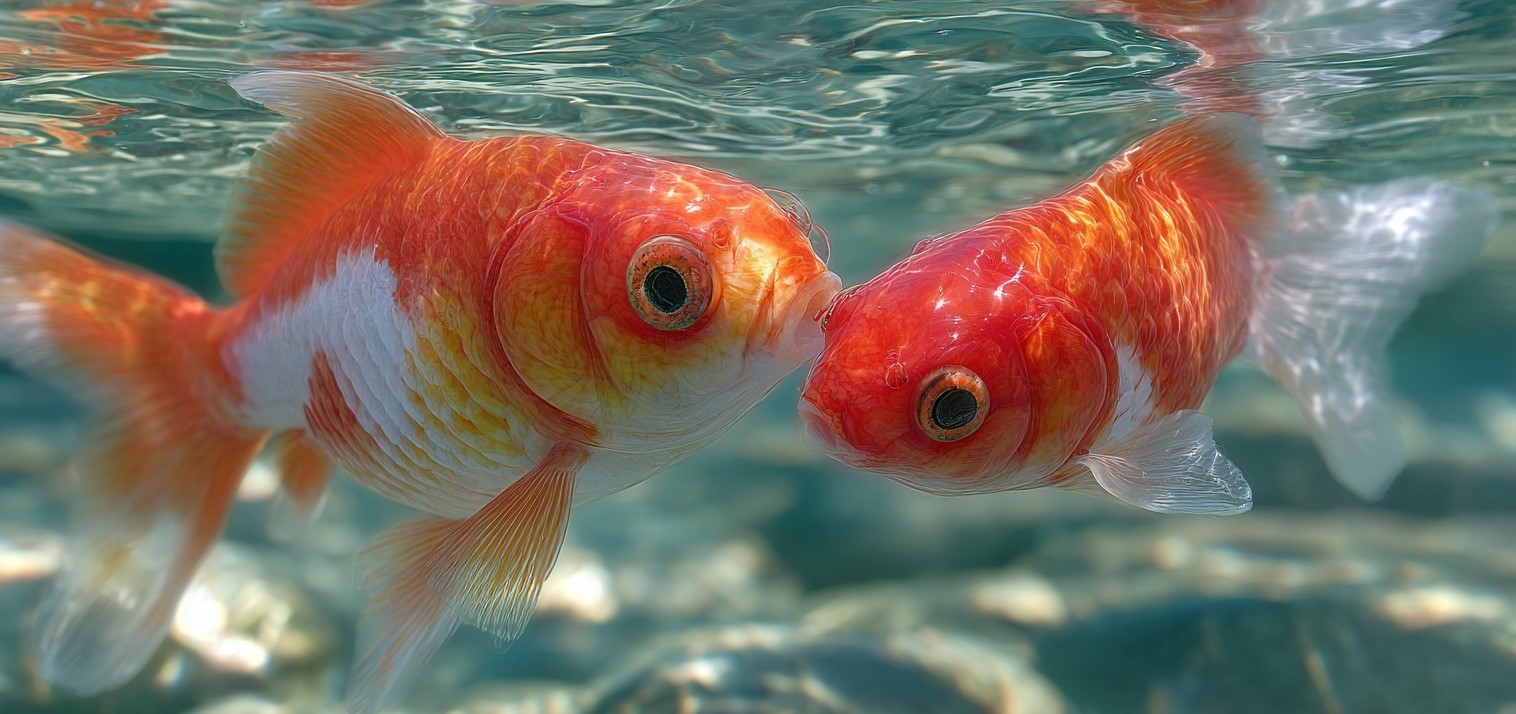
Then came the sentence I never expected to hear: the fish were not reproducing as expected. The team had investigated biological and operational causes and believed water conditions might be part of the problem.
Why Ask a Water Specialist?
My first reaction was honest: I was a water-treatment specialist, not a fish-reproduction expert. Their answer was equally direct. They had already tried conventional approaches and wanted someone to look at the water as a physical and chemical system rather than treat the fish alone.
I reviewed the information available to me and proposed a non-residual trial. The goal was to avoid adding another chemical to the ponds and instead test whether changing treatment conditions could improve the environment.
The Prototype
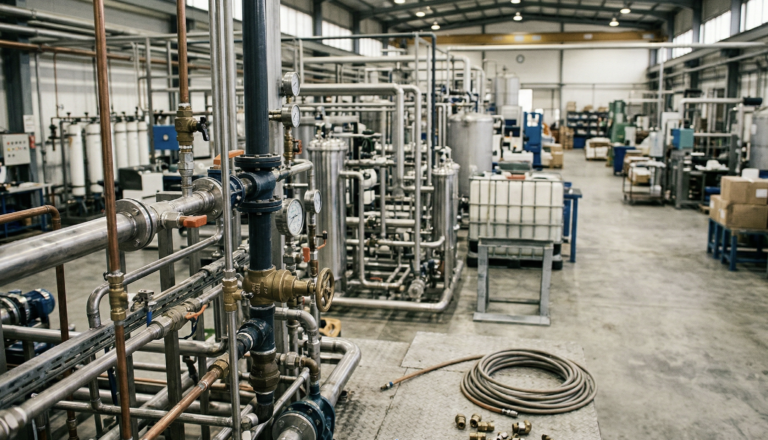
We built a prototype and installed it as a field experiment. The original project was not designed like a modern randomized controlled study, and I do not have a complete public dataset that allows readers to reproduce every step. That distinction matters. A successful field observation can inspire a technology, but it should not be promoted as universal scientific proof.
After roughly two months, I received another call. The team reported a strong improvement and wanted additional systems. For me, the important lesson was not a dramatic claim about fish. It was that a water problem can remain unsolved when everyone looks only at the visible symptom.
The Lesson That Became a Legacy
That experience shaped the way I approached later projects:
- Measure the water rather than judge it by appearance.
- Separate a hypothesis from a verified result.
- Avoid adding chemicals when a lower-residual approach can meet the objective.
- Test at the scale and flow conditions where the system will actually operate.
- Do not assume one successful application will transfer unchanged to another.
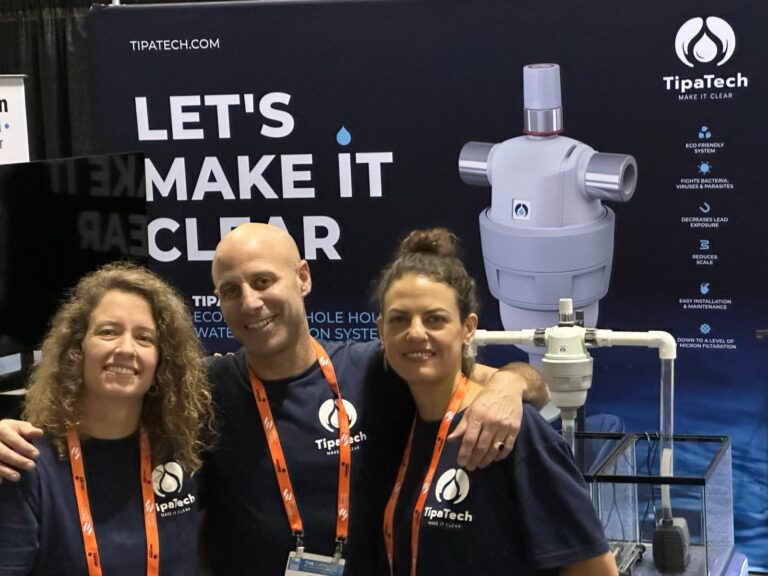
Over time, those principles influenced TipaTech’s work in residential and industrial water treatment. The products changed, the measurements became more precise, and customer needs became more varied, but the core question remained the same: what is happening in the water before we decide how to treat it?
What This Story Does—and Does Not—Prove
This story is part of TipaTech’s history. It explains the founder’s motivation and design philosophy. It does not prove that electromagnetic treatment, or any other single method, improves fish reproduction in every pond. Aquaculture performance depends on oxygen, temperature, pathogens, stocking density, nutrition, chemistry, and many other factors.
Any current technical claim should be evaluated using the documentation for the exact product, installation, water conditions, and target outcome. That standard protects both the customer and the integrity of the story.
From a Strange Phone Call to a Water Company
I still smile when I remember the absurdity of that first meeting. What sounded like a prank became one of the experiences that pushed me to keep asking unconventional questions. TipaTech grew from that habit: look closely, test carefully, and do not confuse confidence with evidence.
Learn more about TipaTech water technology and how we approach water testing and treatment selection.
Frequently Asked Questions
Is this fish-farm story independently verified?
It is presented as Baruch Ziser’s personal recollection. The page does not claim that it is a peer-reviewed or independently replicated scientific study.
What was the main lesson from the project?
The main lesson was to investigate water conditions as part of the system, test a defined hypothesis, and avoid assuming that the visible symptom identifies the cause.
Does the story prove one technology works for every fish pond?
No. Aquaculture outcomes depend on many variables, and any treatment must be tested for the specific pond, water chemistry, and operating conditions.
Why keep this story on a technical website?
It explains the founder’s approach to experimentation and the origin of TipaTech’s focus on non-chemical and water-specific solutions.
How should current TipaTech claims be evaluated?
By reviewing documentation for the exact product, configuration, target contaminant or outcome, and relevant test conditions.