bacteria and parasites
Table of Contents

Most drinking water in the United States is treated and regulated, but that does not mean contamination can never occur. Problems may develop at the water source, during treatment, inside an aging distribution system, in private wells, or within poorly maintained plumbing and water dispensers.

Bacteria and parasites are microscopic, so water can look, smell, and taste normal even when a problem is present. The practical response is not panic, but awareness: follow local water advisories, test water when there is a reason for concern, maintain plumbing and dispensers, and choose treatment technologies that are appropriate for the contaminants found in the water.

Bacteria vs. Parasites: What’s the Difference?

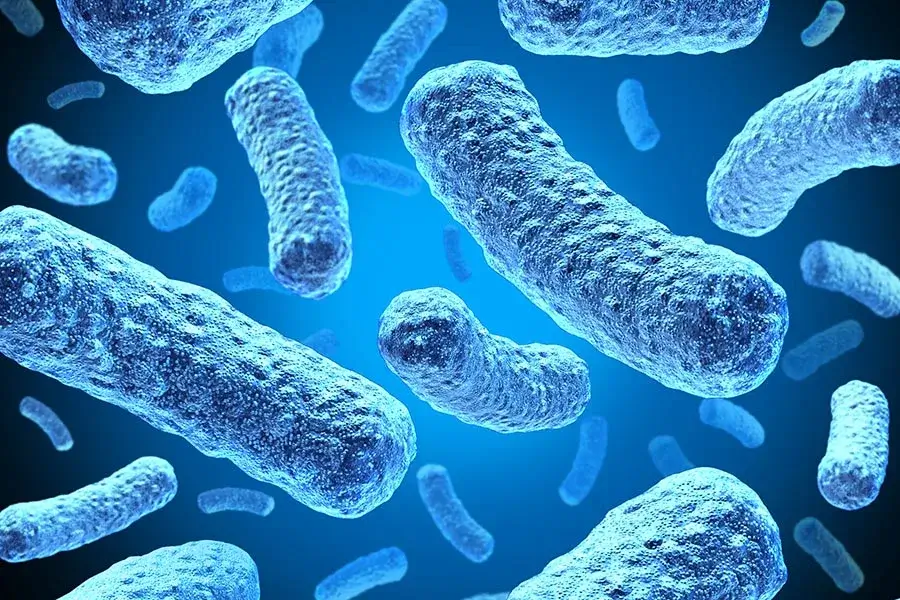
Bacteria are single-celled microorganisms that can live and multiply in many environments. Parasites depend on a host for at least part of their life cycle; in drinking water, the most relevant examples are often protozoan parasites such as Giardia and Cryptosporidium.

The distinction matters because microorganisms differ in size, resistance to disinfection, and route of exposure. A treatment approach that helps control one type of organism may not address another in the same way.

The Microscopic Organisms That May Be Present in Drinking Water

Biological water contaminants can include bacteria, viruses, protozoa, and parasites. Depending on the organism and the route of exposure, they may cause gastrointestinal illness, respiratory infection, or other health problems. The level of risk varies according to the water source, the condition of the distribution system, the person’s health, and whether the water has been properly treated.

Municipal disinfection plays an important role in controlling microorganisms. However, no single treatment method addresses every possible organism under every condition. Some parasites are more tolerant of chlorine than many common bacteria, while certain risks are associated with inhaling water droplets or getting water into the nose rather than simply drinking it.

Could This Happen Where I Live?

Naegleria fowleri: An Important Clarification

In 2020, a six-year-old child in Lake Jackson, Texas, died after an infection involving Naegleria fowleri, and the organism was detected in the local water system during the investigation. Authorities temporarily issued strict water-use instructions while the system was disinfected.

Naegleria fowleri is often described as a “brain-eating amoeba,” but an important distinction is frequently missed: according to the CDC, infection occurs when contaminated water enters the nose and travels toward the brain. People do not become infected by swallowing contaminated water.

Cryptosporidium and Giardia

Cryptosporidium and Giardia are parasites that can spread through contaminated water and cause symptoms such as diarrhea, stomach cramps, nausea, and dehydration. Cryptosporidium is particularly tolerant of chlorine and may survive longer than many other microorganisms in chlorinated water.

For homes using private wells, or during a boil-water advisory or confirmed contamination event, the appropriate response should be based on guidance from the local health authority. Boiling, certified filtration, ultraviolet treatment, ozone, or another treatment method may be recommended depending on the organism involved.

Flint and Legionella

The Flint, Michigan water crisis is best known for lead contamination, but two outbreaks of Legionnaires’ disease were also reported in Genesee County during the 2014–2015 crisis period. Research published by the CDC has examined the relationship between changes in the water system, corrosion control, water conditions, and the increase in Legionnaires’ disease cases.

Legionella bacteria can grow in building water systems, particularly where water is warm, stagnant, or poorly managed. According to the CDC, people generally become ill by breathing in small droplets of water containing the bacteria, rather than by drinking the water. Large buildings, hotels, healthcare facilities, and other complex plumbing systems may require a formal water-management program.

The Bacterial “Zoo” in Your Water Glass

Several bacteria may be associated with contaminated or inadequately treated water. Their presence does not mean every glass of tap water is dangerous, but it does show why treatment, monitoring, and plumbing maintenance matter.

E. coli: A Sign of Possible Fecal Contamination

E. coli is commonly used as an indicator of fecal contamination. Its detection may point to a problem at the source, a failure in treatment, or a breach in the distribution or plumbing system. While many strains are harmless, some can cause serious illness. A confirmed E. coli result should be handled according to the instructions of the water utility or public-health authority.

Salmonella and Campylobacter

Salmonella and Campylobacter are better known as foodborne pathogens, but they can also spread through contaminated water. In drinking-water systems, the risk is generally associated with contamination or inadequate treatment rather than with properly managed municipal water under normal operating conditions.

That Office Water Cooler: Maintenance Matters

Bottled-water dispensers and office water coolers are not automatically unsafe, but they do require regular cleaning and maintenance. Internal surfaces, taps, drip trays, and storage components can support biofilm or bacterial growth when they are not cleaned according to the manufacturer’s instructions.

Bottled water should not be assumed to be sterile, and tap water should not automatically be assumed to be inferior. Water quality depends on the source, treatment, storage conditions, plumbing, and maintenance. The most useful comparison is based on testing and proper handling rather than appearance or marketing claims.

Meet the T-18: A Multi-Stage Approach to Whole-House Water Quality

The TipaTech T-18 is designed as a whole-house filtration and water-conditioning system. According to TipaTech’s current product information, the system filters water to a nominal level of approximately one micron, helps reduce fine particulate matter, reduces chlorine while maintaining a residual level, and manages scale without salt-based softeners or electricity.

Understanding What a One-Micron Rating Means

A nominal rating of approximately one micron may help reduce larger particles and cyst-sized particulates, including particulates within the size range commonly associated with Giardia cysts. It should not be interpreted as a guarantee that every bacterium, virus, or microorganism will be removed under all conditions.

Actual performance depends on the incoming water, system configuration, flow rate, maintenance, installation, and the specific contaminant. When microbiological contamination is known or suspected, water testing and professional advice are essential. Additional treatment technologies may be required.

Addressing Conditions That Can Support Microbial Growth

Scale, corrosion, sediment, stagnant water, and poor maintenance can contribute to conditions in which biofilm and microorganisms develop. By helping manage scale and reduce particulate matter, a whole-house system can form part of a broader water-quality strategy.

A residential filtration system should not replace an official boil-water notice, a municipal response, a building water-management plan, or treatment specifically validated for a confirmed pathogen. When Legionella or another microorganism is confirmed, a qualified water professional should select the treatment approach based on test results and site conditions.

Beyond Bacteria: A Broader Water Quality Strategy

Parasites and Fine Particles

Some waterborne parasite cysts are larger than many bacteria and viruses, which means properly selected physical filtration may help reduce certain cyst-sized particulates associated with them. Filter ratings, certification claims, and operating conditions should always be checked against the specific contaminant of concern.

Chemicals, Taste, and Odor

Water may also contain substances that affect taste, odor, color, or overall quality. The T-18 is designed to reduce chlorine and fine particulate matter as part of its whole-house treatment process. Reduction of other contaminants depends on the system configuration and should be supported by the relevant performance data.

Scale and Plumbing Conditions

Scale is not a microorganism, but excessive buildup can affect fixtures, appliances, and water flow. The T-18 is designed to help manage scale without salt or chemical softeners. Results may vary according to hardness, source-water chemistry, plumbing conditions, and system maintenance.

Who Should Be Especially Careful About Waterborne Pathogens?

Anyone can become ill from contaminated water, but the consequences may be more serious for young children, older adults, pregnant people, and individuals with weakened immune systems. People in higher-risk groups should follow medical and public-health guidance when a water advisory is issued or when a private water source tests positive for microorganisms.

Water filtration can support better water quality, but it is not a substitute for medical advice or official public-health guidance. The system should be selected, installed, and maintained for the actual conditions at the property.

Bringing the T-18 to Your Home or Facility

Whole-house treatment can be relevant for homes and, subject to professional design and local requirements, for workplaces, schools, hospitality properties, and other facilities. Before installation, it is useful to understand:

  • The source of the water and any recent water-quality reports
  • Whether the property uses municipal water or a private well
  • The contaminants or water-quality issues that need to be addressed
  • The system’s verified performance claims and certifications
  • Installation, maintenance, and filter-replacement requirements

Testing the water before selecting a system can help match the treatment approach to the actual problem rather than relying on assumptions.

The Bottom Line

Clear water is not necessarily free of microorganisms, but that does not mean every home has an immediate contamination problem. The best approach combines reliable information, proper maintenance, appropriate testing, and treatment that is matched to the water conditions.

The TipaTech T-18 Water System is designed to support whole-house water quality through fine-particle filtration, chlorine reduction, and salt-free scale management. Performance varies by source water, installation, configuration, and maintenance.

If bacteria, parasites, Legionella, or another specific contaminant are a concern, contact TipaTech or a qualified water-treatment professional to review the available water test and determine whether the T-18 alone or a system with additional treatment stages is appropriate.

Frequently Asked Questions

What is the difference between bacteria and parasites in drinking water?

Bacteria are single-celled microorganisms, while parasites depend on a host for at least part of their life cycle. In drinking water, common protozoan parasites include Giardia and Cryptosporidium. Their size and resistance to treatment differ, so the appropriate water-treatment method depends on the organism involved.

Can drinking water contain bacteria or parasites even if it looks clear?

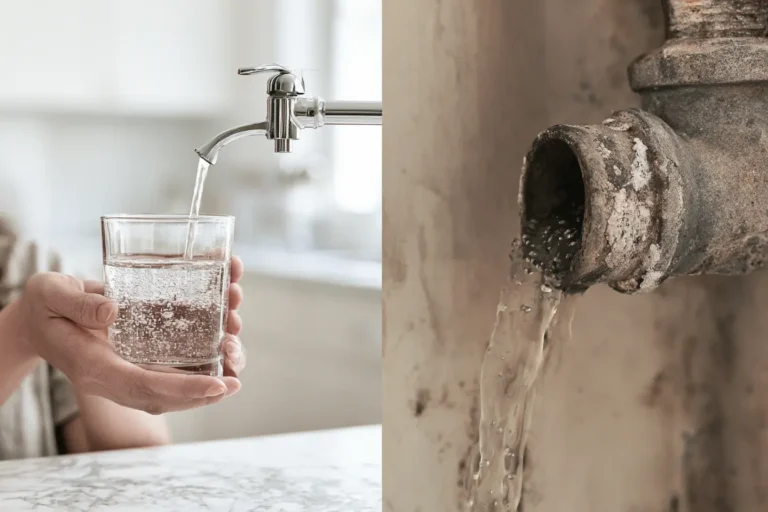
Yes. Microorganisms are too small to see, and contaminated water may look, smell, and taste normal. Testing and official water advisories are more reliable than appearance.

Does chlorine eliminate every parasite?

No. Chlorine controls many microorganisms, but Cryptosporidium is highly tolerant of chlorine. Treatment must be selected for the specific organism and water conditions.

Can you get a Naegleria fowleri infection by drinking water?

According to the CDC, infection occurs when water containing the amoeba enters the nose. It is not caused by swallowing contaminated water.

Does a one-micron filter remove all bacteria and viruses?

No universal claim can be made from the micron number alone. A one-micron filter may help reduce larger particles and certain cyst-sized particulates, but bacteria and viruses can be smaller. Verified performance data and the complete treatment configuration matter.

What should I do if I suspect microbial contamination?

Follow the instructions of the local water utility or health authority, avoid using the water in ways covered by an advisory, and arrange appropriate testing. Do not rely on a general-purpose filter to override an official boil-water or do-not-use notice.

whole house water filtration systems

Cleaner. Smarter. Healthier

At TipaTech we specialize in advanced whole house water filtration systems designed to protect your health and improve your water at every tap. Our patented technology reduces lead, bacteria, microplastics and harmful chemicals while preserving essential minerals like magnesium. Tested and Certified by IAPMO Compliance to: NSF/ANSI 42/61/372-2022 standards. Our systems deliver safe, eco-friendly, antioxidant-rich water with no electricity, no waste and no compromises.

Make Your Water Smarter

This article is for informational purposes only and is not medical advice. TipaTech products are designed to support water quality, not to diagnose, treat, cure, or prevent any disease. Product performance varies based on source water, usage, and professional installation. TipaTech disclaims any liability arising from reliance on this content.

About the Author

Baruch Ziser

Founder & Senior Scientific Consultant | Inventor of the TipaTech Filtration Systems

Baruch Ziser is a leading expert in water technology with fifty years of experience. As the inventor of TipaTech filters and a senior scientist at the Technion’s INOVATEC program, he has developed advanced water systems that reduce impurities while retaining and adding the necessary minerals for optimal body function. His innovations are recognized globally for improving drinking water quality in homes and agriculture.

The TipaTech Water Filtration Systems have been Tested and Certified by IAPMO

& Compliance to NSF/ANSI/CAN standards

NSF/ANSI/CAN Standards | IAPMO, R&T, UPC and the Standards Council of Canada

More to Know

DID YOU KNOW?  ·  DRINKING WATER CONTAMINANTS

Bacteria and Parasites in Drinking Water: Understanding the Potential Risks

Learn the difference between bacteria and parasites in drinking water, the risks they can pose, and how testing and filtration fit into a water-quality plan.

By Baruch Ziser Updated July 12, 2026 7 min read
Bacteria and Parasites in Drinking Water: Understanding the Potential Risks
TOPICDrinking Water Contaminants
READING TIME7 minutes
FIRST PUBLISHEDOctober 14, 2024

Most drinking water in the United States is treated and regulated, but that does not mean contamination can never occur. Problems may develop at the water source, during treatment, inside an aging distribution system, in private wells, or within poorly maintained plumbing and water dispensers.

Bacteria and parasites are microscopic, so water can look, smell, and taste normal even when a problem is present. The practical response is not panic, but awareness: follow local water advisories, test water when there is a reason for concern, maintain plumbing and dispensers, and choose treatment technologies that are appropriate for the contaminants found in the water.

Bacteria vs. Parasites: What’s the Difference?

Bacteria are single-celled microorganisms that can live and multiply in many environments. Parasites depend on a host for at least part of their life cycle; in drinking water, the most relevant examples are often protozoan parasites such as Giardia and Cryptosporidium.

The distinction matters because microorganisms differ in size, resistance to disinfection, and route of exposure. A treatment approach that helps control one type of organism may not address another in the same way.

The Microscopic Organisms That May Be Present in Drinking Water

Biological water contaminants can include bacteria, viruses, protozoa, and parasites. Depending on the organism and the route of exposure, they may cause gastrointestinal illness, respiratory infection, or other health problems. The level of risk varies according to the water source, the condition of the distribution system, the person’s health, and whether the water has been properly treated.

Municipal disinfection plays an important role in controlling microorganisms. However, no single treatment method addresses every possible organism under every condition. Some parasites are more tolerant of chlorine than many common bacteria, while certain risks are associated with inhaling water droplets or getting water into the nose rather than simply drinking it.

Could This Happen Where I Live?

Naegleria fowleri: An Important Clarification

In 2020, a six-year-old child in Lake Jackson, Texas, died after an infection involving Naegleria fowleri, and the organism was detected in the local water system during the investigation. Authorities temporarily issued strict water-use instructions while the system was disinfected.

Naegleria fowleri is often described as a “brain-eating amoeba,” but an important distinction is frequently missed: according to the CDC, infection occurs when contaminated water enters the nose and travels toward the brain. People do not become infected by swallowing contaminated water.

Cryptosporidium and Giardia

Cryptosporidium and Giardia are parasites that can spread through contaminated water and cause symptoms such as diarrhea, stomach cramps, nausea, and dehydration. Cryptosporidium is particularly tolerant of chlorine and may survive longer than many other microorganisms in chlorinated water.

For homes using private wells, or during a boil-water advisory or confirmed contamination event, the appropriate response should be based on guidance from the local health authority. Boiling, certified filtration, ultraviolet treatment, ozone, or another treatment method may be recommended depending on the organism involved.

Flint and Legionella

The Flint, Michigan water crisis is best known for lead contamination, but two outbreaks of Legionnaires’ disease were also reported in Genesee County during the 2014–2015 crisis period. Research published by the CDC has examined the relationship between changes in the water system, corrosion control, water conditions, and the increase in Legionnaires’ disease cases.

Legionella bacteria can grow in building water systems, particularly where water is warm, stagnant, or poorly managed. According to the CDC, people generally become ill by breathing in small droplets of water containing the bacteria, rather than by drinking the water. Large buildings, hotels, healthcare facilities, and other complex plumbing systems may require a formal water-management program.

The Bacterial “Zoo” in Your Water Glass

Several bacteria may be associated with contaminated or inadequately treated water. Their presence does not mean every glass of tap water is dangerous, but it does show why treatment, monitoring, and plumbing maintenance matter.

E. coli: A Sign of Possible Fecal Contamination

E. coli is commonly used as an indicator of fecal contamination. Its detection may point to a problem at the source, a failure in treatment, or a breach in the distribution or plumbing system. While many strains are harmless, some can cause serious illness. A confirmed E. coli result should be handled according to the instructions of the water utility or public-health authority.

Salmonella and Campylobacter

Salmonella and Campylobacter are better known as foodborne pathogens, but they can also spread through contaminated water. In drinking-water systems, the risk is generally associated with contamination or inadequate treatment rather than with properly managed municipal water under normal operating conditions.

That Office Water Cooler: Maintenance Matters

Bottled-water dispensers and office water coolers are not automatically unsafe, but they do require regular cleaning and maintenance. Internal surfaces, taps, drip trays, and storage components can support biofilm or bacterial growth when they are not cleaned according to the manufacturer’s instructions.

Bottled water should not be assumed to be sterile, and tap water should not automatically be assumed to be inferior. Water quality depends on the source, treatment, storage conditions, plumbing, and maintenance. The most useful comparison is based on testing and proper handling rather than appearance or marketing claims.

Meet the T-18: A Multi-Stage Approach to Whole-House Water Quality

The TipaTech T-18 is designed as a whole-house filtration and water-conditioning system. According to TipaTech’s current product information, the system filters water to a nominal level of approximately one micron, helps reduce fine particulate matter, reduces chlorine while maintaining a residual level, and manages scale without salt-based softeners or electricity.

Understanding What a One-Micron Rating Means

A nominal rating of approximately one micron may help reduce larger particles and cyst-sized particulates, including particulates within the size range commonly associated with Giardia cysts. It should not be interpreted as a guarantee that every bacterium, virus, or microorganism will be removed under all conditions.

Actual performance depends on the incoming water, system configuration, flow rate, maintenance, installation, and the specific contaminant. When microbiological contamination is known or suspected, water testing and professional advice are essential. Additional treatment technologies may be required.

Addressing Conditions That Can Support Microbial Growth

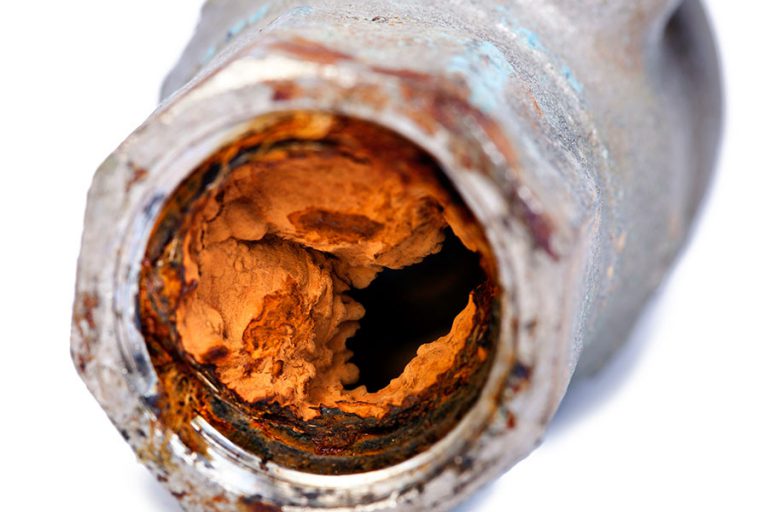
Scale, corrosion, sediment, stagnant water, and poor maintenance can contribute to conditions in which biofilm and microorganisms develop. By helping manage scale and reduce particulate matter, a whole-house system can form part of a broader water-quality strategy.

A residential filtration system should not replace an official boil-water notice, a municipal response, a building water-management plan, or treatment specifically validated for a confirmed pathogen. When Legionella or another microorganism is confirmed, a qualified water professional should select the treatment approach based on test results and site conditions.

Beyond Bacteria: A Broader Water Quality Strategy

Parasites and Fine Particles

Some waterborne parasite cysts are larger than many bacteria and viruses, which means properly selected physical filtration may help reduce certain cyst-sized particulates associated with them. Filter ratings, certification claims, and operating conditions should always be checked against the specific contaminant of concern.

Chemicals, Taste, and Odor

Water may also contain substances that affect taste, odor, color, or overall quality. The T-18 is designed to reduce chlorine and fine particulate matter as part of its whole-house treatment process. Reduction of other contaminants depends on the system configuration and should be supported by the relevant performance data.

Scale and Plumbing Conditions

Scale is not a microorganism, but excessive buildup can affect fixtures, appliances, and water flow. The T-18 is designed to help manage scale without salt or chemical softeners. Results may vary according to hardness, source-water chemistry, plumbing conditions, and system maintenance.

Who Should Be Especially Careful About Waterborne Pathogens?

Anyone can become ill from contaminated water, but the consequences may be more serious for young children, older adults, pregnant people, and individuals with weakened immune systems. People in higher-risk groups should follow medical and public-health guidance when a water advisory is issued or when a private water source tests positive for microorganisms.

Water filtration can support better water quality, but it is not a substitute for medical advice or official public-health guidance. The system should be selected, installed, and maintained for the actual conditions at the property.

Bringing the T-18 to Your Home or Facility

Whole-house treatment can be relevant for homes and, subject to professional design and local requirements, for workplaces, schools, hospitality properties, and other facilities. Before installation, it is useful to understand:

  • The source of the water and any recent water-quality reports
  • Whether the property uses municipal water or a private well
  • The contaminants or water-quality issues that need to be addressed
  • The system’s verified performance claims and certifications
  • Installation, maintenance, and filter-replacement requirements

Testing the water before selecting a system can help match the treatment approach to the actual problem rather than relying on assumptions.

The Bottom Line

Clear water is not necessarily free of microorganisms, but that does not mean every home has an immediate contamination problem. The best approach combines reliable information, proper maintenance, appropriate testing, and treatment that is matched to the water conditions.

The TipaTech T-18 Water System is designed to support whole-house water quality through fine-particle filtration, chlorine reduction, and salt-free scale management. Performance varies by source water, installation, configuration, and maintenance.

If bacteria, parasites, Legionella, or another specific contaminant are a concern, contact TipaTech or a qualified water-treatment professional to review the available water test and determine whether the T-18 alone or a system with additional treatment stages is appropriate.

Frequently Asked Questions

What is the difference between bacteria and parasites in drinking water?

Bacteria are single-celled microorganisms, while parasites depend on a host for at least part of their life cycle. In drinking water, common protozoan parasites include Giardia and Cryptosporidium. Their size and resistance to treatment differ, so the appropriate water-treatment method depends on the organism involved.

Can drinking water contain bacteria or parasites even if it looks clear?

Yes. Microorganisms are too small to see, and contaminated water may look, smell, and taste normal. Testing and official water advisories are more reliable than appearance.

Does chlorine eliminate every parasite?

No. Chlorine controls many microorganisms, but Cryptosporidium is highly tolerant of chlorine. Treatment must be selected for the specific organism and water conditions.

Can you get a Naegleria fowleri infection by drinking water?

According to the CDC, infection occurs when water containing the amoeba enters the nose. It is not caused by swallowing contaminated water.

Does a one-micron filter remove all bacteria and viruses?

No universal claim can be made from the micron number alone. A one-micron filter may help reduce larger particles and certain cyst-sized particulates, but bacteria and viruses can be smaller. Verified performance data and the complete treatment configuration matter.

What should I do if I suspect microbial contamination?

Follow the instructions of the local water utility or health authority, avoid using the water in ways covered by an advisory, and arrange appropriate testing. Do not rely on a general-purpose filter to override an official boil-water or do-not-use notice.
FROM INFORMATION TO THE RIGHT NEXT STEP

Not sure what is affecting your water?

Start with the water source, available test results, property conditions and the treatment goal. TipaTech can help review the situation before a system is selected.

Baruch Ziser

ABOUT THE AUTHOR

Baruch Ziser

Founder & Senior Scientific Consultant | Inventor of the TipaTech Filtration Systems

Baruch Ziser is a leading expert in water technology with fifty years of experience. As the inventor of TipaTech filters and a senior scientist at the Technion’s INOVATEC program, he has developed advanced water systems that reduce impurities while retaining and adding the necessary minerals for optimal body function. His innovations are recognized globally for improving drinking water quality in homes and agriculture.

The TipaTech Water Filtration Systems have been Tested and Certified by IAPMO

& Compliance to NSF/ANSI/CAN standards

NSF/ANSI/CAN Standards | IAPMO, R&T, UPC and the Standards Council of Canada

Contact Us