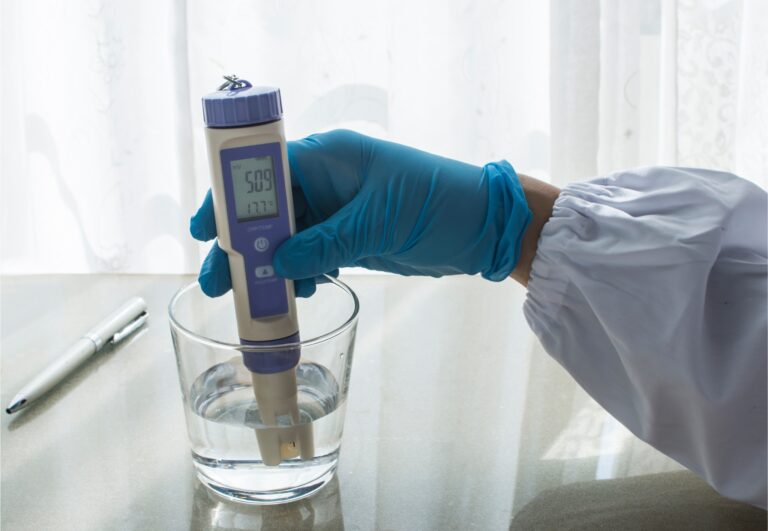
Hydration is necessary for normal brain, cardiovascular, and kidney function. Dehydration can contribute to headache, fatigue, dizziness, and reduced concentration. In severe cases, it can disturb circulation and electrolytes. That makes regular fluid intake important, but it does not mean that a glass of water can prevent a stroke.
Stroke prevention requires a much broader strategy that may include blood-pressure control, treatment of diabetes and atrial fibrillation, smoking cessation, physical activity, medication, and urgent evaluation of warning signs. Water supports normal physiology; it is not a substitute for medical care.
How Hydration Supports Brain Function
Water helps maintain blood volume, temperature regulation, nutrient transport, and cellular function. When fluid losses exceed intake, the body concentrates urine and activates hormonal responses to conserve water. Symptoms can include thirst, dry mouth, fatigue, dizziness, and difficulty concentrating.
Research on hydration and cognition is complex. Effects vary by the degree of dehydration, age, health, environment, and the task being measured. The practical conclusion is modest: avoiding dehydration supports normal function, but claims that a particular water product “boosts the brain” require much stronger evidence.
Dehydration, Blood Concentration, and Stroke
Some studies have found that dehydration markers are associated with worse outcomes among people who already experienced a stroke. Association does not prove that low water intake caused the stroke, nor does it establish a specific preventive dose.
People at increased risk of dehydration include older adults, individuals with fever or diarrhea, people working in heat, endurance athletes, and those taking certain medicines. Anyone with heart failure, kidney disease, or a disorder affecting sodium balance should follow individualized guidance rather than aggressively increasing fluid intake.
Minerals and Electrolytes: Important, but Often Oversimplified
Sodium, potassium, calcium, and magnesium are essential nutrients. Most people obtain them primarily through food, not drinking water. Water can contribute varying amounts depending on the source, but “mineral-rich” does not automatically mean healthier, and low-mineral water is not automatically harmful.
During heavy sweating, prolonged exercise, vomiting, or diarrhea, fluid and electrolyte replacement may require more than plain water. The appropriate approach depends on the situation. For ordinary daily hydration, a safe water source and a balanced diet are usually more important than a high pH, negative ORP, or a premium mineral claim.
What Water Quality Has to Do With Hydration
Water that tastes or smells unpleasant may discourage some people from drinking it. A filter can be useful when it addresses a measured contaminant or a verified taste-and-odor issue. Treatment should be chosen by water test and product-specific performance, not by a claim that filtered water prevents cardiovascular or neurological disease.
Point-of-use and whole-house systems solve different problems. A drinking-water system treats a limited tap. A system such as the TipaTech T-18 is positioned for whole-house use. Neither category should be represented as stroke prevention without clinical evidence.
Practical Hydration Habits
- Drink regularly rather than waiting for intense thirst during heat or exercise.
- Increase attention to fluids during fever, diarrhea, and hot weather.
- Use urine color only as a rough clue; medicines and foods can alter it.
- Limit excess alcohol, which can contribute to dehydration.
- Ask a clinician about fluid targets when heart, kidney, liver, or endocrine disease is present.
Know the Signs of Stroke
Sudden facial droop, arm weakness, speech difficulty, vision loss, severe imbalance, or an abrupt severe headache requires emergency action. Do not delay medical care to drink water or try a home remedy.
Evidence and Further Reading
- Review of hydration and health-related outcomes
- WHO guidance related to drinking-water quality
- Research discussing dehydration in stroke care
Bottom Line
Hydration supports the brain and circulation, and dehydration deserves attention. The scientifically responsible message is not “water prevents stroke.” It is that safe, adequate fluid intake is one part of overall health, while proven stroke-risk factors require medical prevention and treatment.
Frequently Asked Questions
Can drinking water prevent a stroke?
No single amount or type of water can guarantee stroke prevention. Hydration supports normal physiology, while stroke risk also depends on blood pressure, smoking, diabetes, cholesterol, heart rhythm, age, and medical history.
Can dehydration affect the brain?
Yes. Dehydration can contribute to thirst, headache, fatigue, dizziness, and reduced concentration. Severe dehydration can be a medical emergency.
Does mineral-rich water protect the brain better than low-mineral water?
Evidence does not support a universal claim that mineral-rich water prevents stroke or protects the brain better. Total diet, health status, and the safety of the water source matter more than a marketing label.
How much water should a person drink?
Needs vary with body size, climate, activity, pregnancy, diet, illness, and medication. People with heart, kidney, or endocrine conditions may need individualized medical advice.
Can a water filter improve hydration?
A filter may improve taste or reduce a documented contaminant, which can make water more convenient to drink. It does not turn water into a medical treatment or guarantee better hydration.