White Film on Your Dishes? It’s Not the Soap, It’s the Minerals
Table of Contents

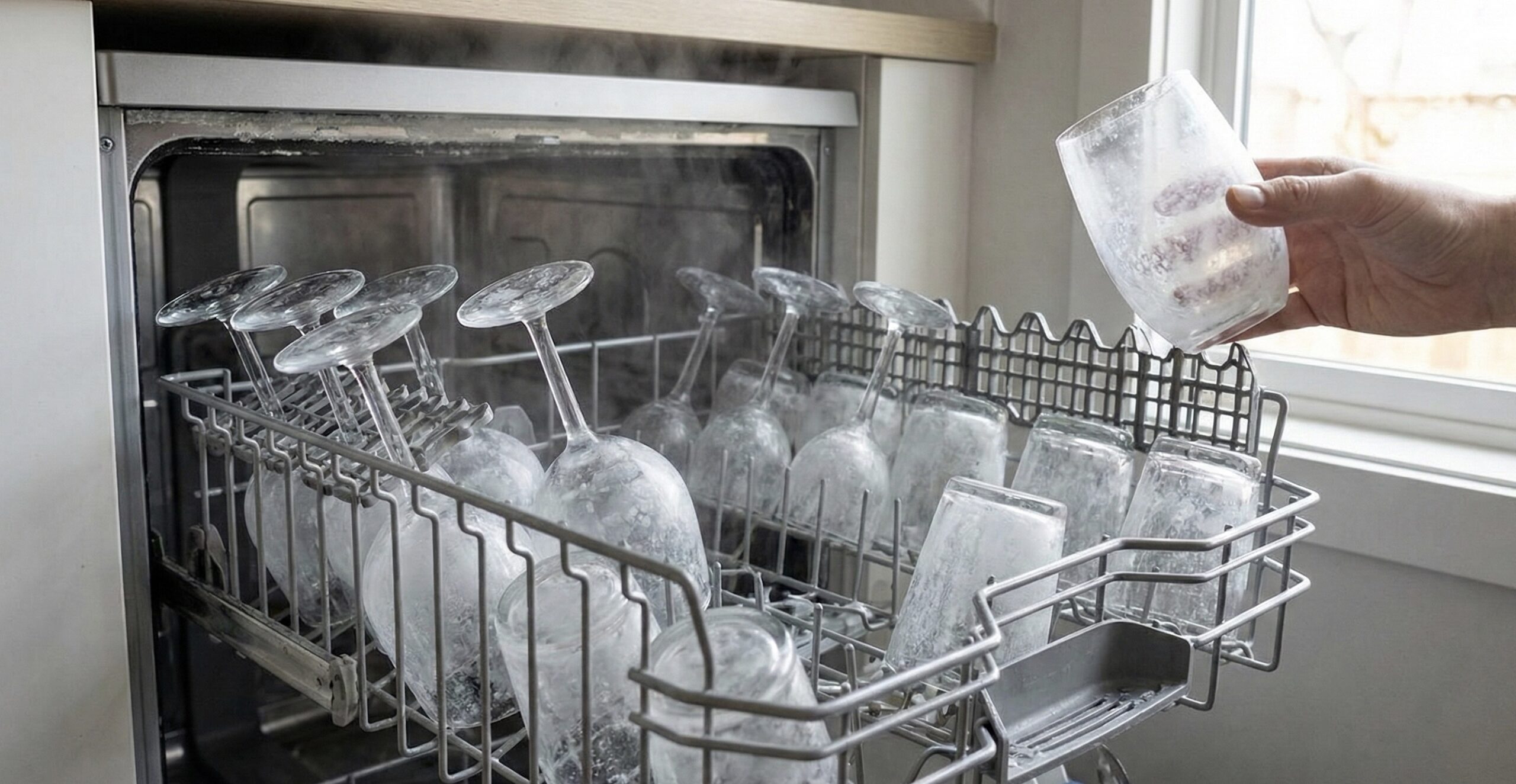
A white or cloudy film on dishes is often blamed on soap, but several different problems can look similar. Hard-water minerals are a common cause, yet excess detergent, low rinse temperature, blocked spray arms, poor draining, and permanent glass etching can also leave dishes looking dull.

The most effective fix begins with diagnosis. Replacing detergent repeatedly will not solve a water-hardness problem, while installing treatment will not repair glass that has already been etched.

How Hard Water Creates White Residue

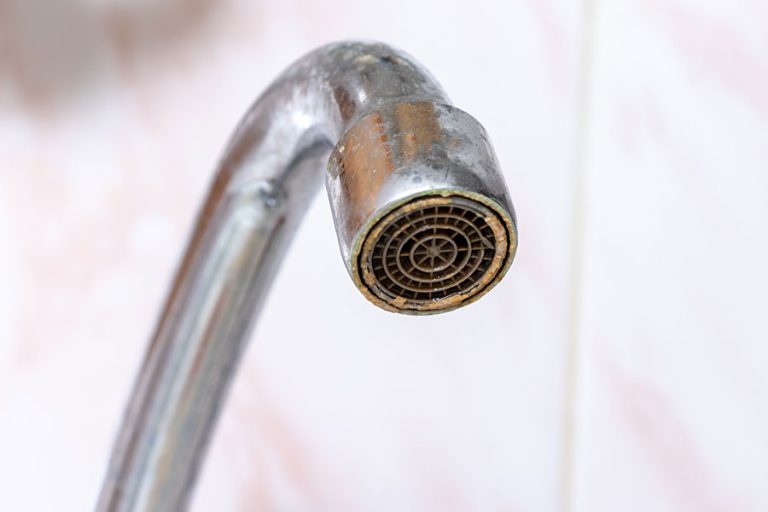
Hard water contains dissolved calcium and magnesium. As water is heated and evaporates during a dishwasher cycle, some minerals can precipitate and remain on glass, ceramic, metal, and the inside of the appliance. The deposit may appear chalky, spotted, or cloudy.

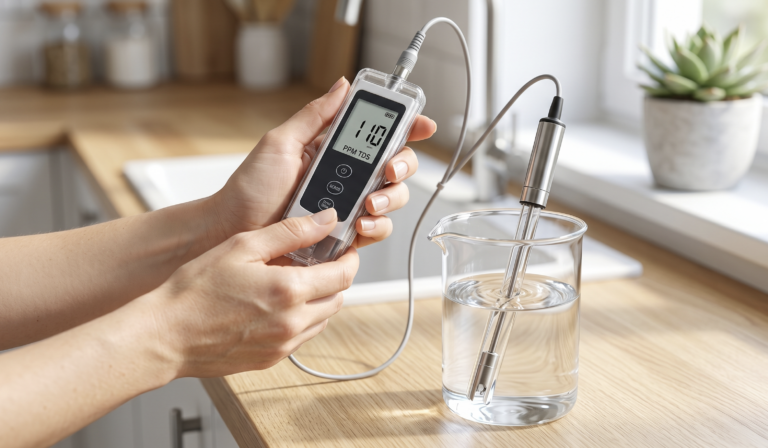
Hardness is generally reported in milligrams per liter as calcium carbonate or in grains per gallon. The visual appearance alone cannot tell you the concentration, so use a water test rather than guessing.

A Simple Vinegar Test

On a compatible item, wipe a small area with white vinegar. If the film softens or dissolves, mineral scale is likely. If the cloudiness remains and the glass feels smooth, it may be etching – permanent surface damage caused by a combination of chemistry, heat, detergent, and repeated washing.

Do not use acidic cleaners on stone, sensitive metals, or items whose manufacturer advises against them.

Other Causes That Look Like Hard Water

Too much detergent

More detergent is not always better. Soft water generally needs less detergent than hard water. An excessive dose can leave residue, especially if the rinse cycle is weak.

Wrong detergent for the machine or water

Modern low-water dishwashers depend on correct dosing and enzyme performance. Follow the appliance and detergent instructions rather than using a fixed amount for every water condition.

Insufficient rinse aid or low temperature

Rinse aid helps water sheet off surfaces. A failed dispenser, low setting, or water-heating issue can increase spotting.

Mechanical problems

Blocked spray arms, a dirty filter, poor drainage, or overloading can leave food and detergent behind. Inspect the appliance before assuming the water is solely responsible.

Why White Film Matters Beyond Appearance

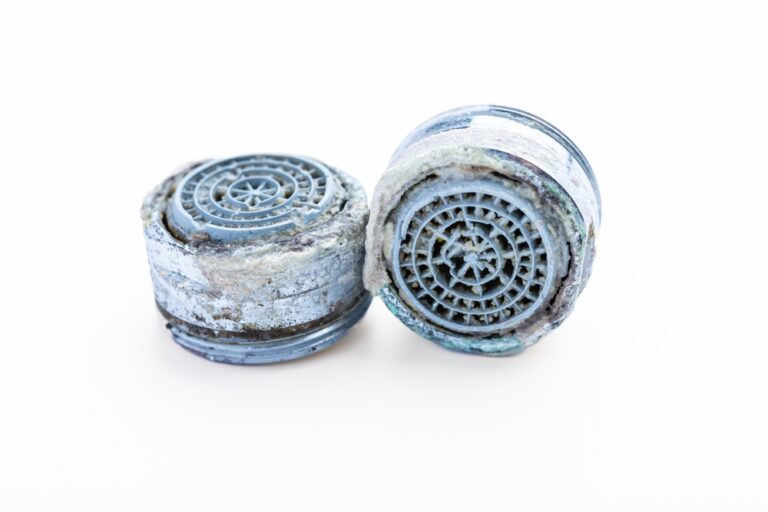
Scale inside a dishwasher can accumulate on heating elements, pumps, spray openings, and internal surfaces. It may reduce heat transfer and increase maintenance. The same hardness can contribute to deposits on shower glass, faucets, kettles, and water heaters.

For a broader explanation, see how scale deposits form and compare limescale reduction methods.

Practical Fixes, From Simple to Structural

  1. Measure water hardness.
  2. Clean the dishwasher filter and spray arms.
  3. Adjust detergent and rinse-aid settings.
  4. Descale the machine according to its manual.
  5. Check incoming hot-water temperature.
  6. Consider treatment if hardness remains a whole-house problem.

Softening Versus Scale-Control Treatment

A salt-based ion-exchange softener removes calcium and magnesium by exchanging them for sodium or potassium. Other technologies aim to influence scale formation without removing the minerals. These are different claims and should not be presented as equivalent.

Performance depends on water chemistry, flow, temperature, and product design. A system described as “salt-free” should have clear test data explaining what it reduces or changes and under which conditions.

Where TipaTech Fits

TipaTech presents the T-18 whole-house system as a treatment option for scale-related household concerns. It should be selected based on a water analysis and product-specific documentation. Avoid assuming it will eliminate every white deposit under every condition.

Bottom Line

White film is a symptom, not a diagnosis. Test whether the residue dissolves, measure hardness, verify dishwasher settings, and inspect the appliance. Once the cause is clear, the solution may be as simple as changing detergent dosage or as broad as treating the home’s water.

Frequently Asked Questions

What causes a white film on dishes?

Common causes include hard-water mineral deposits, excess detergent, insufficient rinsing, incorrect dishwasher settings, or permanent glass etching.

How can I tell whether the film is hard-water scale?

Try wiping a small area with white vinegar. If the film dissolves, mineral scale is likely. Test carefully and follow the manufacturer’s care instructions for the item.

Will changing dishwasher detergent remove hard-water film?

It may help when dosing or formulation is part of the problem, but detergent alone cannot fully solve high hardness or incorrect rinse and temperature settings.

Is white residue on dishes dangerous?

Hard-water scale is usually an aesthetic and maintenance issue rather than proof of a health hazard. A laboratory water test is needed to assess safety concerns.

Do I need a water softener?

Not always. First measure hardness and inspect dishwasher settings. Options include rinse aid, detergent adjustment, periodic descaling, point-of-use treatment, or whole-house treatment.

whole house water filtration systems

Cleaner. Smarter. Healthier

At TipaTech we specialize in advanced whole house water filtration systems designed to protect your health and improve your water at every tap. Our patented technology reduces lead, bacteria, microplastics and harmful chemicals while preserving essential minerals like magnesium. Tested and Certified by IAPMO Compliance to: NSF/ANSI 42/61/372-2022 standards. Our systems deliver safe, eco-friendly, antioxidant-rich water with no electricity, no waste and no compromises.

Make Your Water Smarter

This article is for informational purposes only and is not medical advice. TipaTech products are designed to support water quality, not to diagnose, treat, cure, or prevent any disease. Product performance varies based on source water, usage, and professional installation. TipaTech disclaims any liability arising from reliance on this content.

About the Author

Baruch Ziser

Founder & Senior Scientific Consultant | Inventor of the TipaTech Filtration Systems

Baruch Ziser is a leading expert in water technology with fifty years of experience. As the inventor of TipaTech filters and a senior scientist at the Technion’s INOVATEC program, he has developed advanced water systems that reduce impurities while retaining and adding the necessary minerals for optimal body function. His innovations are recognized globally for improving drinking water quality in homes and agriculture.

The TipaTech Water Filtration Systems have been Tested and Certified by IAPMO

& Compliance to NSF/ANSI/CAN standards

NSF/ANSI/CAN Standards | IAPMO, R&T, UPC and the Standards Council of Canada

More to Know

DID YOU KNOW?  ·  HARD WATER & LIMESCALE

White Film on Dishes: Hard Water, Detergent, or Dishwasher Residue?

A white film can come from hard-water minerals, detergent, etching, or dishwasher settings. Learn how to identify the cause and choose a fix.

By Baruch Ziser Updated July 14, 2026 4 min read
White Film on Dishes: Hard Water, Detergent, or Dishwasher Residue?
TOPICHard Water & Limescale
READING TIME4 minutes
FIRST PUBLISHEDJanuary 22, 2026

A white or cloudy film on dishes is often blamed on soap, but several different problems can look similar. Hard-water minerals are a common cause, yet excess detergent, low rinse temperature, blocked spray arms, poor draining, and permanent glass etching can also leave dishes looking dull.

The most effective fix begins with diagnosis. Replacing detergent repeatedly will not solve a water-hardness problem, while installing treatment will not repair glass that has already been etched.

How Hard Water Creates White Residue

Hard water contains dissolved calcium and magnesium. As water is heated and evaporates during a dishwasher cycle, some minerals can precipitate and remain on glass, ceramic, metal, and the inside of the appliance. The deposit may appear chalky, spotted, or cloudy.

Hardness is generally reported in milligrams per liter as calcium carbonate or in grains per gallon. The visual appearance alone cannot tell you the concentration, so use a water test rather than guessing.

A Simple Vinegar Test

On a compatible item, wipe a small area with white vinegar. If the film softens or dissolves, mineral scale is likely. If the cloudiness remains and the glass feels smooth, it may be etching - permanent surface damage caused by a combination of chemistry, heat, detergent, and repeated washing.

Do not use acidic cleaners on stone, sensitive metals, or items whose manufacturer advises against them.

Other Causes That Look Like Hard Water

Too much detergent

More detergent is not always better. Soft water generally needs less detergent than hard water. An excessive dose can leave residue, especially if the rinse cycle is weak.

Wrong detergent for the machine or water

Modern low-water dishwashers depend on correct dosing and enzyme performance. Follow the appliance and detergent instructions rather than using a fixed amount for every water condition.

Insufficient rinse aid or low temperature

Rinse aid helps water sheet off surfaces. A failed dispenser, low setting, or water-heating issue can increase spotting.

Mechanical problems

Blocked spray arms, a dirty filter, poor drainage, or overloading can leave food and detergent behind. Inspect the appliance before assuming the water is solely responsible.

Why White Film Matters Beyond Appearance

Scale inside a dishwasher can accumulate on heating elements, pumps, spray openings, and internal surfaces. It may reduce heat transfer and increase maintenance. The same hardness can contribute to deposits on shower glass, faucets, kettles, and water heaters.

For a broader explanation, see how scale deposits form and compare limescale reduction methods.

Practical Fixes, From Simple to Structural

  1. Measure water hardness.
  2. Clean the dishwasher filter and spray arms.
  3. Adjust detergent and rinse-aid settings.
  4. Descale the machine according to its manual.
  5. Check incoming hot-water temperature.
  6. Consider treatment if hardness remains a whole-house problem.

Softening Versus Scale-Control Treatment

A salt-based ion-exchange softener removes calcium and magnesium by exchanging them for sodium or potassium. Other technologies aim to influence scale formation without removing the minerals. These are different claims and should not be presented as equivalent.

Performance depends on water chemistry, flow, temperature, and product design. A system described as “salt-free” should have clear test data explaining what it reduces or changes and under which conditions.

Where TipaTech Fits

TipaTech presents the T-18 whole-house system as a treatment option for scale-related household concerns. It should be selected based on a water analysis and product-specific documentation. Avoid assuming it will eliminate every white deposit under every condition.

Bottom Line

White film is a symptom, not a diagnosis. Test whether the residue dissolves, measure hardness, verify dishwasher settings, and inspect the appliance. Once the cause is clear, the solution may be as simple as changing detergent dosage or as broad as treating the home’s water.

Frequently Asked Questions

What causes a white film on dishes?

Common causes include hard-water mineral deposits, excess detergent, insufficient rinsing, incorrect dishwasher settings, or permanent glass etching.

How can I tell whether the film is hard-water scale?

Try wiping a small area with white vinegar. If the film dissolves, mineral scale is likely. Test carefully and follow the manufacturer’s care instructions for the item.

Will changing dishwasher detergent remove hard-water film?

It may help when dosing or formulation is part of the problem, but detergent alone cannot fully solve high hardness or incorrect rinse and temperature settings.

Is white residue on dishes dangerous?

Hard-water scale is usually an aesthetic and maintenance issue rather than proof of a health hazard. A laboratory water test is needed to assess safety concerns.

Do I need a water softener?

Not always. First measure hardness and inspect dishwasher settings. Options include rinse aid, detergent adjustment, periodic descaling, point-of-use treatment, or whole-house treatment.
FROM INFORMATION TO THE RIGHT NEXT STEP

Not sure what is affecting your water?

Start with the water source, available test results, property conditions and the treatment goal. TipaTech can help review the situation before a system is selected.

Baruch Ziser

ABOUT THE AUTHOR

Baruch Ziser

Founder & Senior Scientific Consultant | Inventor of the TipaTech Filtration Systems

Baruch Ziser is a leading expert in water technology with fifty years of experience. As the inventor of TipaTech filters and a senior scientist at the Technion’s INOVATEC program, he has developed advanced water systems that reduce impurities while retaining and adding the necessary minerals for optimal body function. His innovations are recognized globally for improving drinking water quality in homes and agriculture.

The TipaTech Water Filtration Systems have been Tested and Certified by IAPMO

& Compliance to NSF/ANSI/CAN standards

NSF/ANSI/CAN Standards | IAPMO, R&T, UPC and the Standards Council of Canada

Contact Us