Hydrogen-Rich Water
Table of Contents

Hydrogen-rich water is ordinary water containing additional dissolved molecular hydrogen gas (H2). It is different from the hydrogen atoms already bound inside H2O, and it is different from alkaline water. The relevant product measurement is dissolved H2 concentration—not a vague claim about “small water molecules.”

Early studies have investigated molecular hydrogen in exercise recovery, metabolic health, inflammation, and other areas. The evidence is still developing. Small trials, different doses, short follow-up periods, and varying product methods make it difficult to promise a specific clinical benefit.

Why Is Everyone Talking About Hydrogen in Water?

Molecular hydrogen is a small, neutral gas that can diffuse rapidly. Laboratory and animal research has explored its effects on oxidative and inflammatory pathways. Human trials have reported some encouraging findings, but results are not uniform and do not establish hydrogen water as a treatment for disease.

Claims such as “detoxifies the body,” “prevents cancer,” “reverses aging,” or “guarantees better hydration” go beyond what current evidence can support.

So What Exactly Is Hydrogen Water?

Hydrogen water contains dissolved H2 gas. Manufacturers may create it through electrolysis, magnesium reactions, gas infusion, or tablets. The final concentration depends on the method, temperature, pressure, container, time, and how quickly the water is consumed.

Because hydrogen escapes easily, a number measured at production may not match the concentration in the glass. A useful product specification should state concentration in mg/L or ppm at a defined time and under defined conditions.

Hydrogen Water Is Not the Same as Alkaline Water

Electrolysis can produce both an alkaline pH and dissolved hydrogen, but these are separate properties. Water can be alkaline with little dissolved H2, and it can contain dissolved H2 without being strongly alkaline.

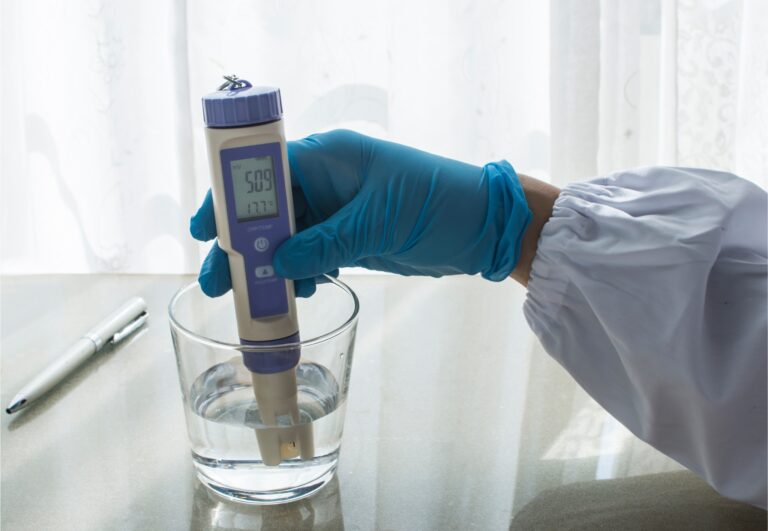
ORP is also not a substitute for a hydrogen measurement. A negative oxidation-reduction potential can be influenced by pH and other dissolved substances. It does not prove a medical antioxidant effect inside the body.

What Does the Research Say?

Human research includes small randomized and non-randomized trials. Some report changes in selected biomarkers or symptoms, while others find little or no difference. Reviews repeatedly call for larger, better-controlled studies with standardized concentration, dosing, and outcomes.

Readers can review the evolving literature through PubMed’s hydrogen-rich-water systematic-review search. A PubMed listing is not an endorsement; each study still needs to be evaluated for design, sample size, conflicts of interest, and clinical relevance.

What About “Nanobubbles”?

Very small gas bubbles may affect how hydrogen is retained or delivered, but “nanobubble” is often used as a marketing term without a standardized consumer test. Ask whether the manufacturer provides particle-size data, dissolved-hydrogen concentration, test method, and retention over time.

Water molecules themselves do not become permanently smaller. H2O molecules remain H2O. Any benefit claim should refer to dissolved hydrogen or another measurable property, not “micro-clustered water” unless the term is clearly defined and independently validated.

How to Evaluate a Hydrogen-Water Product

  • Look for dissolved H2 concentration in mg/L or ppm.
  • Check when and how the concentration was measured.
  • Ask how quickly the gas escapes after production.
  • Separate pH, ORP, mineral content, and hydrogen concentration.
  • Avoid products making disease-treatment or guaranteed anti-aging claims.
  • Review maintenance, cleaning, electrode materials, and water-source requirements.

The Lotus DY and Hydrogen Claims

According to TipaTech’s current product information, the Lotus DY is a point-of-use water system. Any hydrogen-related statement should specify the exact configuration, measured dissolved-H2 concentration, test method, and how long the concentration remains after dispensing. Its 0.007-micron specification is a filtration rating and does not prove a hydrogen, chemical, or medical benefit by itself.

The Bottom Line

Hydrogen-rich water is a legitimate area of research, not a proven cure-all. People may choose it as a beverage, but the responsible way to evaluate it is through measured concentration, product quality, and cautious interpretation of the evidence.

Frequently Asked Questions

What is hydrogen-rich water?

It is water containing additional dissolved molecular hydrogen gas, H2. This is separate from the hydrogen atoms already bound in H2O.

Is hydrogen water the same as alkaline water?

No. Alkaline pH and dissolved molecular hydrogen are different properties, although some electrolysis devices produce both.

What benefits of hydrogen water are proven?

Research is still developing. Some small trials report changes in selected outcomes, but evidence is not strong enough to promise treatment or prevention of disease.

Does a negative ORP prove antioxidant benefits?

No. ORP is a water measurement influenced by pH and dissolved substances. It is not proof of a medical antioxidant effect in the body.

How should hydrogen concentration be reported?

In mg/L or ppm, with the test method, temperature, time after production, and container conditions stated.

whole house water filtration systems

Cleaner. Smarter. Healthier

At TipaTech we specialize in advanced whole house water filtration systems designed to protect your health and improve your water at every tap. Our patented technology reduces lead, bacteria, microplastics and harmful chemicals while preserving essential minerals like magnesium. Tested and Certified by IAPMO Compliance to: NSF/ANSI 42/61/372-2022 standards. Our systems deliver safe, eco-friendly, antioxidant-rich water with no electricity, no waste and no compromises.

Make Your Water Smarter

This article is for informational purposes only and is not medical advice. TipaTech products are designed to support water quality, not to diagnose, treat, cure, or prevent any disease. Product performance varies based on source water, usage, and professional installation. TipaTech disclaims any liability arising from reliance on this content.

About the Author

Baruch Ziser

Founder & Senior Scientific Consultant | Inventor of the TipaTech Filtration Systems

Baruch Ziser is a leading expert in water technology with fifty years of experience. As the inventor of TipaTech filters and a senior scientist at the Technion’s INOVATEC program, he has developed advanced water systems that reduce impurities while retaining and adding the necessary minerals for optimal body function. His innovations are recognized globally for improving drinking water quality in homes and agriculture.

The TipaTech Water Filtration Systems have been Tested and Certified by IAPMO

& Compliance to NSF/ANSI/CAN standards

NSF/ANSI/CAN Standards | IAPMO, R&T, UPC and the Standards Council of Canada

More to Know

DID YOU KNOW?  ·  WATER & HEALTH

Hydrogen-Rich Water: What Molecular Hydrogen Research Shows

Hydrogen-rich water contains dissolved molecular hydrogen. Review proposed benefits, research limitations, concentration, storage, and product claims.

By Baruch Ziser Updated July 14, 2026 4 min read
Hydrogen-Rich Water: What Molecular Hydrogen Research Shows
TOPICWater & Health
READING TIME4 minutes
FIRST PUBLISHEDNovember 24, 2025

Hydrogen-rich water is ordinary water containing additional dissolved molecular hydrogen gas (H2). It is different from the hydrogen atoms already bound inside H2O, and it is different from alkaline water. The relevant product measurement is dissolved H2 concentration—not a vague claim about “small water molecules.”

Early studies have investigated molecular hydrogen in exercise recovery, metabolic health, inflammation, and other areas. The evidence is still developing. Small trials, different doses, short follow-up periods, and varying product methods make it difficult to promise a specific clinical benefit.

Why Is Everyone Talking About Hydrogen in Water?

Molecular hydrogen is a small, neutral gas that can diffuse rapidly. Laboratory and animal research has explored its effects on oxidative and inflammatory pathways. Human trials have reported some encouraging findings, but results are not uniform and do not establish hydrogen water as a treatment for disease.

Claims such as “detoxifies the body,” “prevents cancer,” “reverses aging,” or “guarantees better hydration” go beyond what current evidence can support.

So What Exactly Is Hydrogen Water?

Hydrogen water contains dissolved H2 gas. Manufacturers may create it through electrolysis, magnesium reactions, gas infusion, or tablets. The final concentration depends on the method, temperature, pressure, container, time, and how quickly the water is consumed.

Because hydrogen escapes easily, a number measured at production may not match the concentration in the glass. A useful product specification should state concentration in mg/L or ppm at a defined time and under defined conditions.

Hydrogen Water Is Not the Same as Alkaline Water

Electrolysis can produce both an alkaline pH and dissolved hydrogen, but these are separate properties. Water can be alkaline with little dissolved H2, and it can contain dissolved H2 without being strongly alkaline.

ORP is also not a substitute for a hydrogen measurement. A negative oxidation-reduction potential can be influenced by pH and other dissolved substances. It does not prove a medical antioxidant effect inside the body.

What Does the Research Say?

Human research includes small randomized and non-randomized trials. Some report changes in selected biomarkers or symptoms, while others find little or no difference. Reviews repeatedly call for larger, better-controlled studies with standardized concentration, dosing, and outcomes.

Readers can review the evolving literature through PubMed’s hydrogen-rich-water systematic-review search. A PubMed listing is not an endorsement; each study still needs to be evaluated for design, sample size, conflicts of interest, and clinical relevance.

What About “Nanobubbles”?

Very small gas bubbles may affect how hydrogen is retained or delivered, but “nanobubble” is often used as a marketing term without a standardized consumer test. Ask whether the manufacturer provides particle-size data, dissolved-hydrogen concentration, test method, and retention over time.

Water molecules themselves do not become permanently smaller. H2O molecules remain H2O. Any benefit claim should refer to dissolved hydrogen or another measurable property, not “micro-clustered water” unless the term is clearly defined and independently validated.

How to Evaluate a Hydrogen-Water Product

  • Look for dissolved H2 concentration in mg/L or ppm.
  • Check when and how the concentration was measured.
  • Ask how quickly the gas escapes after production.
  • Separate pH, ORP, mineral content, and hydrogen concentration.
  • Avoid products making disease-treatment or guaranteed anti-aging claims.
  • Review maintenance, cleaning, electrode materials, and water-source requirements.

The Lotus DY and Hydrogen Claims

According to TipaTech’s current product information, the Lotus DY is a point-of-use water system. Any hydrogen-related statement should specify the exact configuration, measured dissolved-H2 concentration, test method, and how long the concentration remains after dispensing. Its 0.007-micron specification is a filtration rating and does not prove a hydrogen, chemical, or medical benefit by itself.

The Bottom Line

Hydrogen-rich water is a legitimate area of research, not a proven cure-all. People may choose it as a beverage, but the responsible way to evaluate it is through measured concentration, product quality, and cautious interpretation of the evidence.

Frequently Asked Questions

What is hydrogen-rich water?

It is water containing additional dissolved molecular hydrogen gas, H2. This is separate from the hydrogen atoms already bound in H2O.

Is hydrogen water the same as alkaline water?

No. Alkaline pH and dissolved molecular hydrogen are different properties, although some electrolysis devices produce both.

What benefits of hydrogen water are proven?

Research is still developing. Some small trials report changes in selected outcomes, but evidence is not strong enough to promise treatment or prevention of disease.

Does a negative ORP prove antioxidant benefits?

No. ORP is a water measurement influenced by pH and dissolved substances. It is not proof of a medical antioxidant effect in the body.

How should hydrogen concentration be reported?

In mg/L or ppm, with the test method, temperature, time after production, and container conditions stated.

FROM INFORMATION TO THE RIGHT NEXT STEP

Not sure what is affecting your water?

Start with the water source, available test results, property conditions and the treatment goal. TipaTech can help review the situation before a system is selected.

Baruch Ziser

ABOUT THE AUTHOR

Baruch Ziser

Founder & Senior Scientific Consultant | Inventor of the TipaTech Filtration Systems

Baruch Ziser is a leading expert in water technology with fifty years of experience. As the inventor of TipaTech filters and a senior scientist at the Technion’s INOVATEC program, he has developed advanced water systems that reduce impurities while retaining and adding the necessary minerals for optimal body function. His innovations are recognized globally for improving drinking water quality in homes and agriculture.

The TipaTech Water Filtration Systems have been Tested and Certified by IAPMO

& Compliance to NSF/ANSI/CAN standards

NSF/ANSI/CAN Standards | IAPMO, R&T, UPC and the Standards Council of Canada

Contact Us