what is alkline water
Table of Contents

Alkaline water is not a health miracle, but it is also not automatically a scam. The truth is more practical: pH is one characteristic of water. It can affect taste, corrosion, scaling, and treatment performance, but it does not prove that water creates broad medical or anti-aging effects.

That distinction matters because search results around alkaline water are full of extremes. Some pages promise medical benefits. Others dismiss every alkaline product as nonsense. A better article separates chemistry, taste, marketing claims, and verified filtration.

What Is Alkaline Water?

Alkaline water has a pH above 7. Naturally alkaline water usually gets its pH from minerals and geology. Artificially alkaline water may be produced through electrolysis, additives, or treatment media. These are different categories and should not be treated as identical.

pH Basics

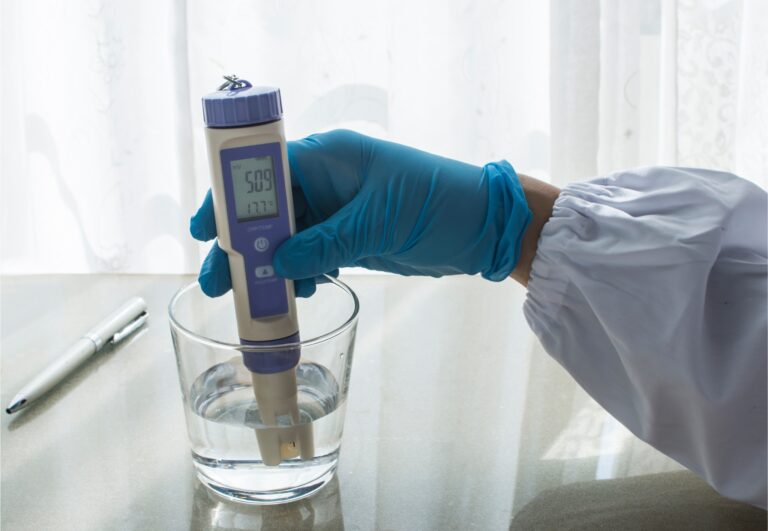
The pH scale is logarithmic, so each whole number represents a tenfold change in hydrogen ion activity. Drinking-water pH can influence corrosion and scale. The WHO background document on pH in drinking water discusses pH mainly in relation to water quality, corrosion, and acceptability, not as a simple measure of health benefits.

Common Alkaline Water Claims

  • Better hydration
  • Detoxification
  • Anti-aging effects
  • Immune support
  • Cancer prevention or treatment
  • Neutralizing body acidity

These claims should be treated carefully. The body tightly regulates blood pH. Drinking water does not simply reset the body’s internal chemistry. If a product makes medical or disease-related claims, it needs a level of evidence far beyond normal water marketing.

What Alkaline Water Can Reasonably Mean

Alkalinity and mineral content can affect taste. Some people prefer the mouthfeel of mineral-rich water. In plumbing, pH and alkalinity can affect corrosion and scale behavior. Those are legitimate water-quality topics. They are different from promising a medical outcome.

Filtration Is Not the Same as Alkalization

A high pH does not prove that water is filtered. It does not show lead reduction, microplastic reduction, PFAS reduction, bacteria control, or hardness management. The CDC notes that treatment systems remove different germs or chemicals. A system should be chosen for the specific concern, not for pH language alone.

The TipaTech Approach

TipaTech’s position should be framed around balanced water quality, verified claims, and practical treatment goals rather than miracle language. The Lotus DY can be discussed as a point-of-use drinking-water option, and ORP can be explained through TipaTech’s guide to ORP in water. Those technical topics should not be stretched into unsupported medical claims.

How to Evaluate an Alkaline Water Product

  1. Ask whether the pH is natural, media-based, additive-based, or electrolysis-based.
  2. Check what contaminants, if any, the system is certified or tested to reduce.
  3. Review material safety and replacement requirements.
  4. Look for before-and-after water chemistry, not vague wellness wording.
  5. Avoid products that claim to make disease-related claims.

The Bottom Line

Alkaline water can be a taste and water-chemistry topic. It should not be sold as a health miracle. If you are choosing a water system, focus first on the water source, the concern you want to address, the exact verified claims, and the maintenance plan. pH belongs in the conversation, but it should not control the whole decision.

Frequently Asked Questions

Is alkaline water a health miracle?

No. Alkaline water should not be presented as a health miracle. Some people prefer its taste, but broad claims about detox, immunity, cancer prevention, or anti-aging are not appropriate without strong evidence.

What is alkaline water?

Alkaline water has a pH above 7. It may be naturally alkaline because of minerals, or it may be altered through treatment or additives.

Is naturally alkaline water different from ionized water?

Yes. Naturally alkaline water usually reflects dissolved minerals and geology. Ionized water is produced by a device that changes water chemistry through electrolysis.

Can alkaline water replace filtration?

No. pH adjustment is not the same as contaminant reduction. A water system should be verified for the specific substance or condition it is intended to address.

What should I look for instead of alkaline claims?

Look for source-water testing, verified contaminant claims, material safety, realistic pH language, maintenance requirements, and a system that matches the household goal.

whole house water filtration systems

Cleaner. Smarter. Healthier

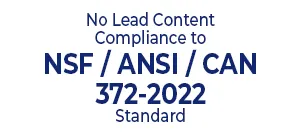
At TipaTech we specialize in advanced whole house water filtration systems designed to protect your health and improve your water at every tap. Our patented technology reduces lead, bacteria, microplastics and harmful chemicals while preserving essential minerals like magnesium. Tested and Certified by IAPMO Compliance to: NSF/ANSI 42/61/372-2022 standards. Our systems deliver safe, eco-friendly, antioxidant-rich water with no electricity, no waste and no compromises.

Make Your Water Smarter

This article is for informational purposes only and is not medical advice. TipaTech products are designed to support water quality, not to diagnose, treat, cure, or prevent any disease. Product performance varies based on source water, usage, and professional installation. TipaTech disclaims any liability arising from reliance on this content.

About the Author

Baruch Ziser

Founder & Senior Scientific Consultant | Inventor of the TipaTech Filtration Systems

Baruch Ziser is a leading expert in water technology with fifty years of experience. As the inventor of TipaTech filters and a senior scientist at the Technion’s INOVATEC program, he has developed advanced water systems that reduce impurities while retaining and adding the necessary minerals for optimal body function. His innovations are recognized globally for improving drinking water quality in homes and agriculture.

The TipaTech Water Filtration Systems have been Tested and Certified by IAPMO

& Compliance to NSF/ANSI/CAN standards

NSF/ANSI/CAN Standards | IAPMO, R&T, UPC and the Standards Council of Canada

More to Know

DID YOU KNOW?  ·  WATER & HEALTH

Alkaline Water: Myth, Marketing and What pH Really Means

Learn what alkaline water is, which health claims are overstated, how pH differs from filtration, and how to evaluate water systems responsibly.

By Baruch Ziser Updated July 22, 2026 4 min read
Alkaline Water: Myth, Marketing and What pH Really Means
TOPICWater & Health
READING TIME4 minutes
FIRST PUBLISHEDJune 30, 2025

Alkaline water is not a health miracle, but it is also not automatically a scam. The truth is more practical: pH is one characteristic of water. It can affect taste, corrosion, scaling, and treatment performance, but it does not prove that water creates broad medical or anti-aging effects.

That distinction matters because search results around alkaline water are full of extremes. Some pages promise medical benefits. Others dismiss every alkaline product as nonsense. A better article separates chemistry, taste, marketing claims, and verified filtration.

What Is Alkaline Water?

Alkaline water has a pH above 7. Naturally alkaline water usually gets its pH from minerals and geology. Artificially alkaline water may be produced through electrolysis, additives, or treatment media. These are different categories and should not be treated as identical.

pH Basics

The pH scale is logarithmic, so each whole number represents a tenfold change in hydrogen ion activity. Drinking-water pH can influence corrosion and scale. The WHO background document on pH in drinking water discusses pH mainly in relation to water quality, corrosion, and acceptability, not as a simple measure of health benefits.

Common Alkaline Water Claims

  • Better hydration
  • Detoxification
  • Anti-aging effects
  • Immune support
  • Cancer prevention or treatment
  • Neutralizing body acidity

These claims should be treated carefully. The body tightly regulates blood pH. Drinking water does not simply reset the body's internal chemistry. If a product makes medical or disease-related claims, it needs a level of evidence far beyond normal water marketing.

What Alkaline Water Can Reasonably Mean

Alkalinity and mineral content can affect taste. Some people prefer the mouthfeel of mineral-rich water. In plumbing, pH and alkalinity can affect corrosion and scale behavior. Those are legitimate water-quality topics. They are different from promising a medical outcome.

Filtration Is Not the Same as Alkalization

A high pH does not prove that water is filtered. It does not show lead reduction, microplastic reduction, PFAS reduction, bacteria control, or hardness management. The CDC notes that treatment systems remove different germs or chemicals. A system should be chosen for the specific concern, not for pH language alone.

The TipaTech Approach

TipaTech's position should be framed around balanced water quality, verified claims, and practical treatment goals rather than miracle language. The Lotus DY can be discussed as a point-of-use drinking-water option, and ORP can be explained through TipaTech's guide to ORP in water. Those technical topics should not be stretched into unsupported medical claims.

How to Evaluate an Alkaline Water Product

  1. Ask whether the pH is natural, media-based, additive-based, or electrolysis-based.
  2. Check what contaminants, if any, the system is certified or tested to reduce.
  3. Review material safety and replacement requirements.
  4. Look for before-and-after water chemistry, not vague wellness wording.
  5. Avoid products that claim to make disease-related claims.

The Bottom Line

Alkaline water can be a taste and water-chemistry topic. It should not be sold as a health miracle. If you are choosing a water system, focus first on the water source, the concern you want to address, the exact verified claims, and the maintenance plan. pH belongs in the conversation, but it should not control the whole decision.

Frequently Asked Questions

Is alkaline water a health miracle?

No. Alkaline water should not be presented as a health miracle. Some people prefer its taste, but broad claims about detox, immunity, cancer prevention, or anti-aging are not appropriate without strong evidence.

What is alkaline water?

Alkaline water has a pH above 7. It may be naturally alkaline because of minerals, or it may be altered through treatment or additives.

Is naturally alkaline water different from ionized water?

Yes. Naturally alkaline water usually reflects dissolved minerals and geology. Ionized water is produced by a device that changes water chemistry through electrolysis.

Can alkaline water replace filtration?

No. pH adjustment is not the same as contaminant reduction. A water system should be verified for the specific substance or condition it is intended to address.

What should I look for instead of alkaline claims?

Look for source-water testing, verified contaminant claims, material safety, realistic pH language, maintenance requirements, and a system that matches the household goal.
FROM INFORMATION TO THE RIGHT NEXT STEP

Not sure what is affecting your water?

Start with the water source, available test results, property conditions and the treatment goal. TipaTech can help review the situation before a system is selected.

Baruch Ziser

ABOUT THE AUTHOR

Baruch Ziser

Founder & Senior Scientific Consultant | Inventor of the TipaTech Filtration Systems

Baruch Ziser is a leading expert in water technology with fifty years of experience. As the inventor of TipaTech filters and a senior scientist at the Technion’s INOVATEC program, he has developed advanced water systems that reduce impurities while retaining and adding the necessary minerals for optimal body function. His innovations are recognized globally for improving drinking water quality in homes and agriculture.

The TipaTech Water Filtration Systems have been Tested and Certified by IAPMO

& Compliance to NSF/ANSI/CAN standards

NSF/ANSI/CAN Standards | IAPMO, R&T, UPC and the Standards Council of Canada

Contact Us