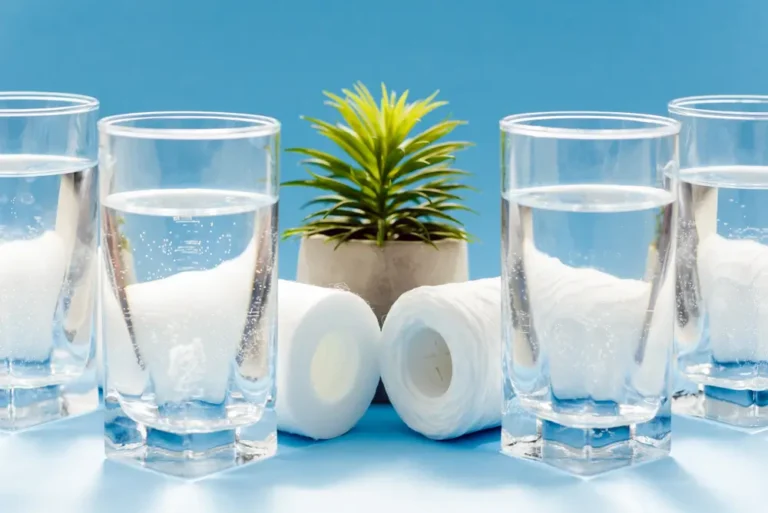
The best water filter for an apartment is the one that improves the water you actually use without requiring a complicated or permanent installation. Renters and condo owners often have limits: no access to the main water line, limited under-sink space, lease restrictions, and a need to reverse the installation when moving.
That does not mean apartment filtration is a compromise. It means the decision should be narrower and smarter. Focus on drinking and cooking water first, verify the exact filter claims, and choose a system that fits the space and the lease.
Start With the Apartment Problem
Apartment residents usually search for one of four things: better taste, less chlorine odor, a lead-reduction option for older plumbing, or a compact drinking-water system. Those are not identical goals. A pitcher that improves taste may not be the best answer for lead. A shower filter does not treat drinking water. A countertop RO system may be useful for some goals but takes space and requires maintenance.
The CDC recommends choosing treatment based on the germ or chemical of concern. In an apartment, that usually means using a point-of-use system rather than trying to treat the whole building.
Apartment-Friendly Filter Types
| Option | Best fit | Main limitation |
|---|---|---|
| Pitcher | Low cost and no plumbing | Small capacity, slow flow, frequent cartridge changes |
| Faucet-mounted filter | Simple installation and daily use | May not fit all faucets, can reduce flow |
| Countertop system | Renters who cannot modify plumbing | Uses counter space and visible tubing |
| Under-sink direct-connect | Cleaner look and higher capacity | Requires cabinet space and lease-friendly installation |
| Countertop or under-sink RO | Selected dissolved contaminants | Reject water, tank or power needs, mineral reduction |
| Shower filter | Chlorine odor or shower comfort goals | Does not treat drinking water |
What to Verify Before Buying
Check the exact model, not only the brand. A filter can be certified for chlorine taste and odor without being certified for lead, PFAS, cysts, or other concerns. If lead is the concern, use a model with an explicit lead-reduction claim and replace cartridges on schedule. EPA has published consumer resources for identifying point-of-use and pitcher filters certified to reduce lead.
Also check installation details: faucet thread type, cold-water-only use, cabinet clearance, drill-free connection, drain requirements, filter-change access, and whether the system can be removed without damage.
When an Under-Sink Apartment Filter Makes Sense
An under-sink system can be a good apartment choice when it connects to the cold-water line, fits inside the cabinet, and does not require a new faucet hole. It keeps the counter clear and usually provides better capacity than a pitcher. It still needs maintenance, and the exact contaminant claims matter.
The Lotus DY is positioned as a point-of-use drinking-water option. For apartment living, that kind of category can make sense when the resident wants treatment at the kitchen tap and cannot install a whole-house system. The choice should still be checked against the lease, installation conditions, and current model documentation.
What Apartment Filters Cannot Solve
An apartment filter at one sink does not treat the whole building. It will not fix water heater issues, building-wide pressure problems, main-line sediment, or contamination that requires utility or landlord action. If water changes suddenly, smells like fuel or sewage, or is subject to a boil-water notice, follow official guidance rather than relying on a home filter.
The Bottom Line
Apartment water filtration works best when it is practical, reversible, and specific. Choose the filter by the concern, verify the exact claims, confirm installation compatibility, and plan cartridge replacement. For many renters, the best solution is not the biggest system. It is a reliable point-of-use filter that fits the kitchen and the actual water-quality goal.
Frequently Asked Questions
What is the best water filter for an apartment?
The best apartment water filter is usually compact, reversible, easy to maintain, and matched to a specific goal such as taste, lead reduction, or drinking-water filtration.
Can renters install an under-sink filter?
Some under-sink filters can be installed without drilling, but renters should check the lease, cabinet space, faucet connection, and whether the installation is fully reversible.
Is a pitcher enough for apartment water?
A pitcher may improve taste and provide selected certified claims, but it has limited capacity and slow flow. It should be chosen by exact cartridge claims, not by convenience alone.
Do apartment filters remove lead?
Only exact models certified or tested for lead reduction should be relied on for lead. EPA and NSF resources can help verify point-of-use products.
Can an apartment use whole-house filtration?
Usually not unless the tenant controls the incoming line. Apartment choices are typically point-of-use, faucet, countertop, pitcher, shower, or landlord-approved under-sink options.