About a month ago, I was sitting on my brother’s balcony when his 50-year-old son, Assi, walked in with his head wrapped in bandages after a hair transplant. He had invested heavily in the procedure and received detailed instructions about shampoo and washing.
My first thought was about the water used during recovery. That question is worth asking—but it must be handled carefully. The surgeon’s aftercare protocol comes first. A water-filter company should not replace medical instructions or imply that ordinary tap water will ruin a transplant.
The “Clean” Paradox
People often focus on the premium product—the surgery, shampoo, medication, or skin treatment—and ignore the water used with it. In most homes served by a compliant public utility, tap water is routinely disinfected and suitable for normal washing. However, temporary advisories, private wells, plumbing contamination, extreme hardness, or unusual odor can justify additional caution.
After a transplant, the scalp is healing. Water temperature, pressure, rubbing, timing, and cleanser technique may be more important than a generic claim about “toxins.” Follow the clinic’s exact instructions for when and how to wash.
Can Tap Water Be Used After a Hair Transplant?
Many clinics allow gentle washing with tap water after a defined period. Others recommend sterile saline, bottled water, or a specific method during the earliest stage. Protocols vary by procedure and surgeon. Ask the treating clinic rather than relying on a universal internet rule.
Do not change the prescribed routine because of this article. If the local authority issues a boil-water or do-not-use advisory, contact the clinic before washing the surgical area.
What Water Factors May Affect Comfort?
Temperature and Pressure
Very hot water can dry and irritate the scalp. High-pressure spray or direct shower impact can disturb healing grafts during the early period. Clinics commonly provide specific timing and pressure instructions.
Hardness
Hard water can interact with shampoo and leave residue. It may affect how the scalp feels, but there is not enough evidence to claim that normal hardness causes transplant failure.
Chlorine or Chloramine
Disinfectant residuals may affect odor or skin comfort. Their presence does not automatically make public tap water unsafe. A filter should be chosen for the actual disinfectant and maintained correctly.
Private Well Water
A private well requires more attention because the owner is responsible for testing. Bacteria, nitrate, arsenic, iron, manganese, sulfur odor, sediment, or other local concerns may be relevant. Recent flooding or a damaged well cap is a reason to avoid assumptions and obtain guidance.
The Science: When Water Meets Medicine
The original version of this story speculated that trace chromium in water might alter diabetes, thyroid, or pain medication. That was too broad. Medication interactions with chromium supplements do not mean normal tap-water chromium will produce the same effect. Exposure, chemical form, dose, and clinical context matter.
People should take medication with water that meets local drinking-water standards unless their physician or pharmacist provides different instructions. Anyone with a confirmed contaminant problem should discuss it with the relevant clinician and water authority rather than guessing about drug interactions.
Questions to Ask the Clinic
- When can I begin washing the transplanted area?
- Should I use tap water, saline, or another source?
- What temperature and pressure are appropriate?
- Can water touch the grafts directly?
- Which shampoo or cleanser should I use?
- What signs of infection or graft disturbance require a call?
When Water Testing Makes Sense
Consider testing or contacting the water supplier when the home uses a private well, the water has changed in color or odor, plumbing is known to contain lead, there is a current advisory, or a clinician recommends a specific precaution.
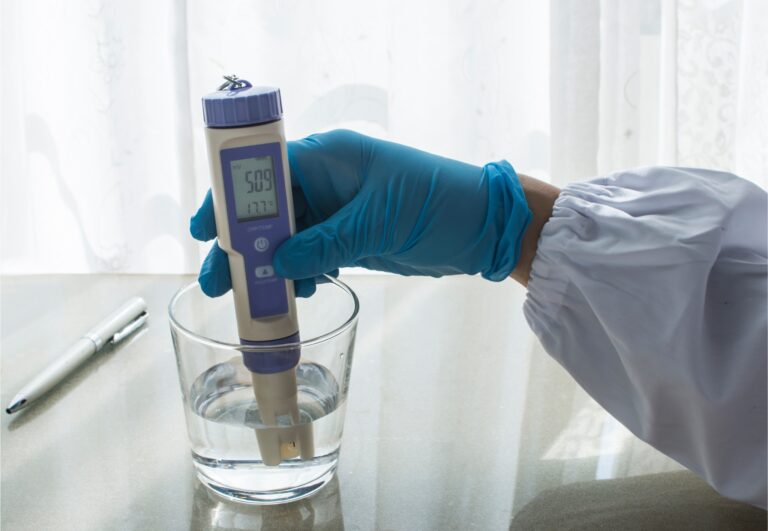
A TDS meter cannot establish medical suitability. It does not identify bacteria, lead, arsenic, chromium, or disinfectant by-products.
The Solution Is Awareness—and Proportion
Water is part of every recovery routine, but it should not become a source of unnecessary fear. Use verified information, follow the surgeon’s protocol, and investigate a real water concern with appropriate testing.
For broader information, read about chlorine in shower water, metallic taste, and private well contaminants.
This article is informational and is not medical advice. Contact the treating clinic for post-transplant instructions.
Frequently Asked Questions
Can I wash a hair transplant with tap water?
Many clinics allow it after a defined period, but protocols vary. Follow the surgeon’s specific instructions for timing, pressure, temperature, and water source.
Does hard water damage transplanted hair grafts?
There is not enough evidence to claim that normal hard water causes transplant failure. It may affect residue or comfort, while technique and aftercare remain more important.
Should I use bottled water after a hair transplant?
Only when the treating clinic recommends it or when the normal water supply is under an advisory or has a confirmed problem.
Can a TDS meter tell whether water is safe for a healing scalp?
No. TDS does not identify bacteria, metals, disinfectants, or other specific contaminants.
What should I do if my home uses a private well?
Tell the clinic and confirm that the well has appropriate recent testing, especially after flooding, repairs, or changes in water quality.