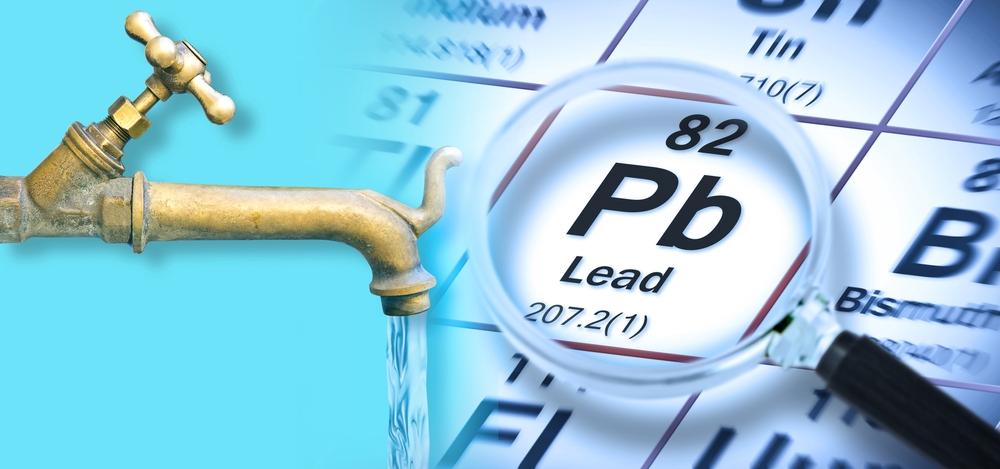
Lead in drinking water is regulated in the United States, but regulation does not remove the need to understand your own tap. EPA rules apply to public water systems and corrosion control, while many lead problems are connected to service lines, building plumbing, solder, brass fixtures, and faucets.
That means a family should not assume either extreme: that all tap water is dangerous, or that regulatory compliance proves every home has no lead at the faucet. The practical answer is to understand the rule, identify plumbing sources, test when needed, and use verified reduction when the result supports it.
The Lead and Copper Rule in Plain English
The EPA Lead and Copper Rule requires public water systems to monitor certain customer taps and manage corrosion. The rule uses an action level framework. If lead results exceed the action level in more than 10 percent of sampled taps, the system must take additional steps.
EPA describes the lead action level as 15 ppb for these tap-sampling notifications. This is a regulatory trigger. It should not be presented as a safe personal exposure target for every household, child, or situation.
Where Lead Really Comes From
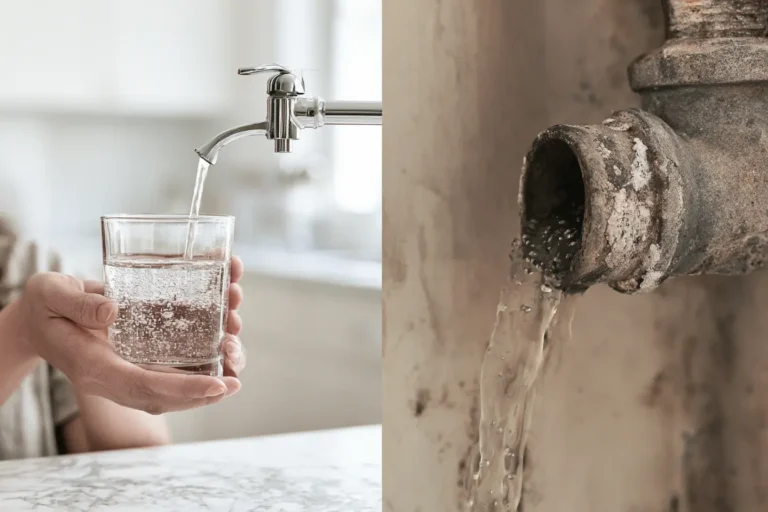
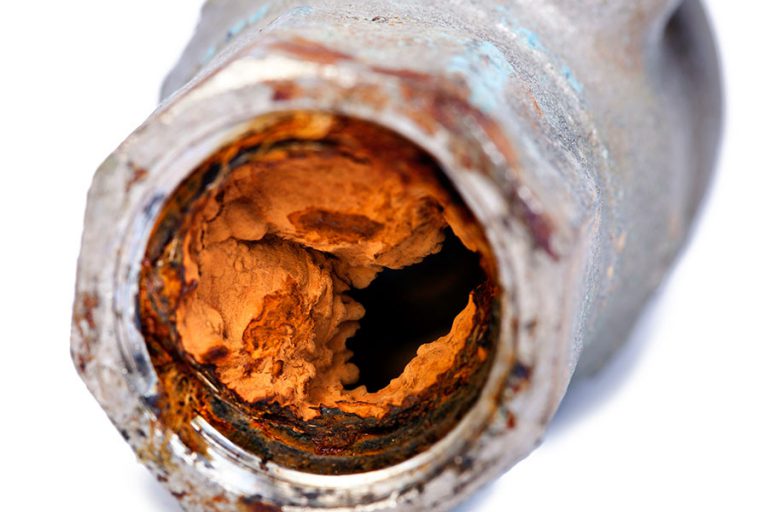
Lead can enter drinking water when plumbing materials that contain lead corrode. Common sources include lead service lines, galvanized pipes that previously received lead, older solder, brass fixtures, faucets, valves, and fittings. The risk can vary by water chemistry, stagnation, pipe age, temperature, and recent plumbing work.
Why the Home Still Matters
A public water report is a useful starting point, but it does not inspect every pipe inside a building. A home with older plumbing may have a different tap result from a neighboring home. This is why tap-specific testing is important when lead is a concern.
How to Reduce Lead Exposure Responsibly
- Identify whether the home has a lead service line or older plumbing materials.
- Use a certified laboratory or local testing program for tap samples.
- Follow local guidance for flushing, cold-water use, and temporary steps.
- Do not boil water to remove lead. Boiling does not remove dissolved lead.
- Use only filters with an exact lead-reduction claim for the exact model.
- Replace cartridges on time and use the correct replacement part.
How to Verify a Lead Filter
For point-of-use products, check public certification listings for the exact model and cartridge. NSF notes that products may be certified to NSF/ANSI 53 or NSF/ANSI 58 for lead reduction depending on the system type. The claim belongs to the listed product under defined conditions, not automatically to every product from the brand.
Where TipaTech Fits
The Lotus DY and TipaTech T-18 should be presented according to their current model-specific documentation. A point-of-use drinking-water system is usually the more direct category for lead at the tap, while a whole-house system may address other point-of-entry goals. Do not claim that any system does better than EPA unless a precise, documented, and legally supportable comparison exists.
The stronger commercial message is also the more credible one: test the tap, verify the claim, and choose the system that fits the measured concern.
The Bottom Line
EPA regulation is important, but homeowners still need tap-level awareness. Lead can come from local plumbing, and the right response is testing, source identification, verified filtration when appropriate, cartridge maintenance, and permanent plumbing correction where possible. Avoid broad promises and focus on documented lead reduction.
Frequently Asked Questions
What is EPA’s action level for lead in drinking water?
EPA’s Lead and Copper Rule uses an action level of 15 ppb for lead in certain public-system tap sampling. It is a regulatory trigger, not a guarantee that lower levels are risk-free.
Where does lead in drinking water usually come from?
Lead usually comes from plumbing materials such as lead service lines, older pipes, solder, brass fixtures, faucets, and fittings that corrode.
Do EPA rules mean my home tap has no lead?
No. Public-system compliance does not prove that a specific home’s plumbing contributes no lead. Testing at the tap is the way to evaluate a household concern.
What water filter standard should I check for lead?
Look for the exact product and replacement cartridge in certification listings for lead reduction, commonly under NSF/ANSI 53 or NSF/ANSI 58 depending on the system type.
Can TipaTech claim it does better than EPA?
No product should claim to outperform EPA regulations in a broad way. A product claim should be tied to exact model documentation, tested performance, and the user’s water conditions.