arsenic
Table of Contents

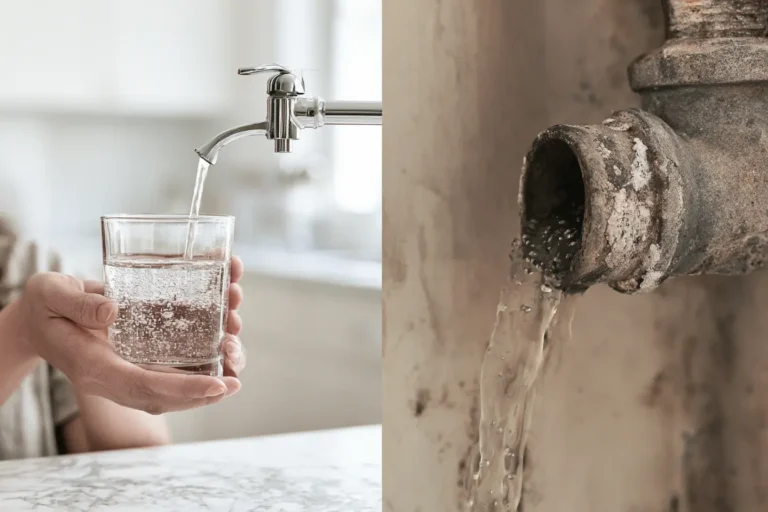
Well water can look clear and taste normal while still containing substances that need attention. Groundwater reflects local geology, land use, well construction, plumbing, and recent events such as flooding. “Natural” describes the source; it does not confirm that the water meets a drinking-water standard.

The right response is not to assume that every well is dangerous. It is to test for the contaminants that are plausible in that location and then match treatment to the results.

What Can Be Found in Well Water?

Potential concerns usually fall into four groups: microorganisms, inorganic chemicals and metals, organic chemicals, and dissolved gases. A single sediment or carbon filter cannot be assumed to address all four.

1. Dissolved Gases: Radon, Hydrogen Sulfide, and Methane

Radon

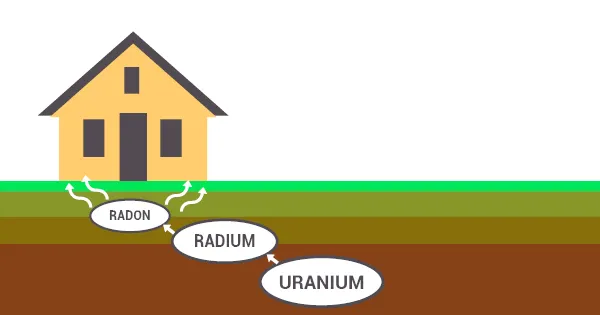
Radon is a naturally occurring radioactive gas created by uranium decay. It has no color, smell, or taste. In homes using groundwater, radon dissolved in water can be released into indoor air during showering and other uses. Indoor-air testing is normally the first step, followed by water testing when the home uses a private well or local guidance recommends it.

Hydrogen Sulfide

Hydrogen sulfide can produce a rotten-egg odor. The source may be the well, plumbing, a water heater, or sulfur-reducing bacteria. Odor intensity does not provide a reliable concentration measurement. Testing and inspection help distinguish a nuisance issue from a condition requiring treatment or ventilation.

Methane

Methane can occur naturally or be associated with nearby energy development. It is not usually treated as a drinking-water toxin at typical concentrations, but accumulated gas can create an explosion hazard. Suspected methane requires professional assessment and safe venting—not a sealed filter housing that traps gas.

2. Arsenic and Other Metals

Arsenic can enter groundwater from rock and sediment. It cannot be detected by sight, taste, or smell. Long-term exposure is associated with serious health risks, so private well owners in affected regions should test through an accredited laboratory.

Other possible findings include uranium, lead, manganese, iron, cadmium, nickel, and mercury. Their sources and significance differ:

  • Lead often comes from plumbing rather than the aquifer.
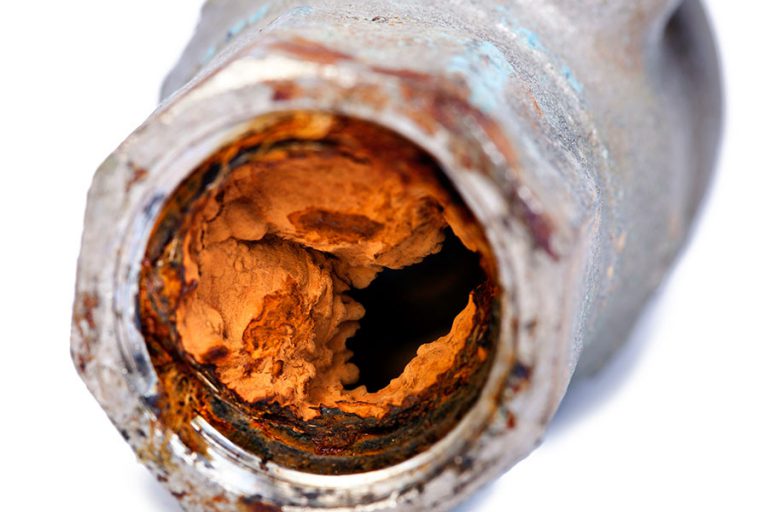
  • Iron and manganese may cause staining, taste, odor, and operational problems; health-based guidance depends on concentration and jurisdiction.
  • Uranium can occur naturally and requires a contaminant-specific treatment claim.
  • Cadmium, nickel, and mercury may reflect geology or human activity and should be interpreted against local standards.

3. Microorganisms and Runoff

Flooding, damaged well caps, poor sealing, septic leakage, and surface runoff can introduce total coliform, E. coli, and other organisms. A clear appearance does not confirm microbiological safety.

Nitrate can also enter groundwater from fertilizer, manure, or septic systems. It is especially important in homes with infants or pregnant household members. Boiling does not remove nitrate and can concentrate it as water evaporates.

4. Organic Chemicals

Pesticides, fuels, solvents, and other volatile organic compounds may be relevant near farms, industrial sites, landfills, or leaking tanks. The correct laboratory panel depends on land use and local environmental history.

How Often Should Well Water Be Tested?

The EPA’s private-well guidance recommends routine testing and additional testing after flooding, repairs, changes in taste or odor, or known local contamination. Local health departments may specify a different schedule and panel.

A practical baseline often includes total coliform, E. coli, nitrate, pH, and total dissolved solids, with arsenic, uranium, radon, fluoride, pesticides, or other analytes added according to local risk. TDS is not a safety test; it cannot identify what is dissolved in the water.

How to Match Treatment to the Test Result

  • Gases: aeration or degassing may be needed, with safe outdoor venting.
  • Arsenic or uranium: treatment depends on chemical form, concentration, pH, competing ions, and verified media performance.
  • Bacteria: well repair, shock disinfection, UV, membrane treatment, or another validated barrier may be appropriate.
  • Nitrate: reverse osmosis, ion exchange, or distillation may be used when designed and maintained for nitrate reduction.
  • Iron, manganese, odor, or sediment: oxidation, media filtration, carbon, or mechanical filtration may be selected after diagnosis.

According to TipaTech’s current product information, the T-18 is a whole-house point-of-entry system and the Lotus DY is a point-of-use system. Their micron ratings do not by themselves establish reduction of arsenic, gases, nitrate, radionuclides, bacteria, or viruses. Any claim should be tied to the exact configuration and applicable test data.

The Bottom Line

Well water should be managed as a changing source, not judged once by appearance. Test, interpret the result with local standards, treat the identified problem, and verify performance after installation.

Frequently Asked Questions

Can well water contain arsenic even if it tastes normal?

Yes. Arsenic has no reliable taste, color, or odor at concentrations of concern. Laboratory testing is required.

What should private well water be tested for?

A baseline often includes coliform bacteria, E. coli, nitrate, pH, and TDS, with additional tests such as arsenic, uranium, radon, pesticides, or VOCs based on local risk.

Does boiling make well water safe?

Boiling can inactivate many microorganisms, but it does not remove metals, nitrate, salts, or many chemicals and may concentrate some dissolved contaminants.

Can one whole-house filter remove every well-water contaminant?

No. Different contaminants require different treatment mechanisms. A treatment train should be selected from laboratory results.

How often should a private well be tested?

At least follow local health-department guidance, and retest after flooding, repairs, changes in taste or odor, or a known contamination event.

whole house water filtration systems

Cleaner. Smarter. Healthier

At TipaTech we specialize in advanced whole house water filtration systems designed to protect your health and improve your water at every tap. Our patented technology reduces lead, bacteria, microplastics and harmful chemicals while preserving essential minerals like magnesium. Tested and Certified by IAPMO Compliance to: NSF/ANSI 42/61/372-2022 standards. Our systems deliver safe, eco-friendly, antioxidant-rich water with no electricity, no waste and no compromises.

Make Your Water Smarter

This article is for informational purposes only and is not medical advice. TipaTech products are designed to support water quality, not to diagnose, treat, cure, or prevent any disease. Product performance varies based on source water, usage, and professional installation. TipaTech disclaims any liability arising from reliance on this content.

About the Author

Baruch Ziser

Founder & Senior Scientific Consultant | Inventor of the TipaTech Filtration Systems

Baruch Ziser is a leading expert in water technology with fifty years of experience. As the inventor of TipaTech filters and a senior scientist at the Technion’s INOVATEC program, he has developed advanced water systems that reduce impurities while retaining and adding the necessary minerals for optimal body function. His innovations are recognized globally for improving drinking water quality in homes and agriculture.

The TipaTech Water Filtration Systems have been Tested and Certified by IAPMO

& Compliance to NSF/ANSI/CAN standards

NSF/ANSI/CAN Standards | IAPMO, R&T, UPC and the Standards Council of Canada

More to Know

DID YOU KNOW?  ·  DRINKING WATER CONTAMINANTS

Well Water Contaminants: Gases, Arsenic, Metals, and Testing

Learn which gases, metals, microbes and chemicals may occur in well water, what warning signs mean, and how to test before choosing treatment.

By Baruch Ziser Updated July 14, 2026 4 min read
Well Water Contaminants: Gases, Arsenic, Metals, and Testing
TOPICDrinking Water Contaminants
READING TIME4 minutes
FIRST PUBLISHEDNovember 19, 2025

Well water can look clear and taste normal while still containing substances that need attention. Groundwater reflects local geology, land use, well construction, plumbing, and recent events such as flooding. “Natural” describes the source; it does not confirm that the water meets a drinking-water standard.

The right response is not to assume that every well is dangerous. It is to test for the contaminants that are plausible in that location and then match treatment to the results.

What Can Be Found in Well Water?

Potential concerns usually fall into four groups: microorganisms, inorganic chemicals and metals, organic chemicals, and dissolved gases. A single sediment or carbon filter cannot be assumed to address all four.

1. Dissolved Gases: Radon, Hydrogen Sulfide, and Methane

Radon

Radon is a naturally occurring radioactive gas created by uranium decay. It has no color, smell, or taste. In homes using groundwater, radon dissolved in water can be released into indoor air during showering and other uses. Indoor-air testing is normally the first step, followed by water testing when the home uses a private well or local guidance recommends it.

Hydrogen Sulfide

Hydrogen sulfide can produce a rotten-egg odor. The source may be the well, plumbing, a water heater, or sulfur-reducing bacteria. Odor intensity does not provide a reliable concentration measurement. Testing and inspection help distinguish a nuisance issue from a condition requiring treatment or ventilation.

Methane

Methane can occur naturally or be associated with nearby energy development. It is not usually treated as a drinking-water toxin at typical concentrations, but accumulated gas can create an explosion hazard. Suspected methane requires professional assessment and safe venting—not a sealed filter housing that traps gas.

2. Arsenic and Other Metals

Arsenic can enter groundwater from rock and sediment. It cannot be detected by sight, taste, or smell. Long-term exposure is associated with serious health risks, so private well owners in affected regions should test through an accredited laboratory.

Other possible findings include uranium, lead, manganese, iron, cadmium, nickel, and mercury. Their sources and significance differ:

  • Lead often comes from plumbing rather than the aquifer.
  • Iron and manganese may cause staining, taste, odor, and operational problems; health-based guidance depends on concentration and jurisdiction.
  • Uranium can occur naturally and requires a contaminant-specific treatment claim.
  • Cadmium, nickel, and mercury may reflect geology or human activity and should be interpreted against local standards.

3. Microorganisms and Runoff

Flooding, damaged well caps, poor sealing, septic leakage, and surface runoff can introduce total coliform, E. coli, and other organisms. A clear appearance does not confirm microbiological safety.

Nitrate can also enter groundwater from fertilizer, manure, or septic systems. It is especially important in homes with infants or pregnant household members. Boiling does not remove nitrate and can concentrate it as water evaporates.

4. Organic Chemicals

Pesticides, fuels, solvents, and other volatile organic compounds may be relevant near farms, industrial sites, landfills, or leaking tanks. The correct laboratory panel depends on land use and local environmental history.

How Often Should Well Water Be Tested?

The EPA’s private-well guidance recommends routine testing and additional testing after flooding, repairs, changes in taste or odor, or known local contamination. Local health departments may specify a different schedule and panel.

A practical baseline often includes total coliform, E. coli, nitrate, pH, and total dissolved solids, with arsenic, uranium, radon, fluoride, pesticides, or other analytes added according to local risk. TDS is not a safety test; it cannot identify what is dissolved in the water.

How to Match Treatment to the Test Result

  • Gases: aeration or degassing may be needed, with safe outdoor venting.
  • Arsenic or uranium: treatment depends on chemical form, concentration, pH, competing ions, and verified media performance.
  • Bacteria: well repair, shock disinfection, UV, membrane treatment, or another validated barrier may be appropriate.
  • Nitrate: reverse osmosis, ion exchange, or distillation may be used when designed and maintained for nitrate reduction.
  • Iron, manganese, odor, or sediment: oxidation, media filtration, carbon, or mechanical filtration may be selected after diagnosis.

According to TipaTech’s current product information, the T-18 is a whole-house point-of-entry system and the Lotus DY is a point-of-use system. Their micron ratings do not by themselves establish reduction of arsenic, gases, nitrate, radionuclides, bacteria, or viruses. Any claim should be tied to the exact configuration and applicable test data.

The Bottom Line

Well water should be managed as a changing source, not judged once by appearance. Test, interpret the result with local standards, treat the identified problem, and verify performance after installation.

Frequently Asked Questions

Can well water contain arsenic even if it tastes normal?

Yes. Arsenic has no reliable taste, color, or odor at concentrations of concern. Laboratory testing is required.

What should private well water be tested for?

A baseline often includes coliform bacteria, E. coli, nitrate, pH, and TDS, with additional tests such as arsenic, uranium, radon, pesticides, or VOCs based on local risk.

Does boiling make well water safe?

Boiling can inactivate many microorganisms, but it does not remove metals, nitrate, salts, or many chemicals and may concentrate some dissolved contaminants.

Can one whole-house filter remove every well-water contaminant?

No. Different contaminants require different treatment mechanisms. A treatment train should be selected from laboratory results.

How often should a private well be tested?

At least follow local health-department guidance, and retest after flooding, repairs, changes in taste or odor, or a known contamination event.
FROM INFORMATION TO THE RIGHT NEXT STEP

Not sure what is affecting your water?

Start with the water source, available test results, property conditions and the treatment goal. TipaTech can help review the situation before a system is selected.

Baruch Ziser

ABOUT THE AUTHOR

Baruch Ziser

Founder & Senior Scientific Consultant | Inventor of the TipaTech Filtration Systems

Baruch Ziser is a leading expert in water technology with fifty years of experience. As the inventor of TipaTech filters and a senior scientist at the Technion’s INOVATEC program, he has developed advanced water systems that reduce impurities while retaining and adding the necessary minerals for optimal body function. His innovations are recognized globally for improving drinking water quality in homes and agriculture.

The TipaTech Water Filtration Systems have been Tested and Certified by IAPMO

& Compliance to NSF/ANSI/CAN standards

NSF/ANSI/CAN Standards | IAPMO, R&T, UPC and the Standards Council of Canada

Contact Us