what is limescale
Table of Contents

Nickel and chromium can occur in drinking water, but the phrase “nickel chromium” often creates confusion. They are separate elements. They may appear together in stainless steel or decorative plating, yet their release, chemical forms, and health evidence are not identical.

The original claim that every nickel-chromium faucet creates a hidden carcinogen was too broad. A responsible assessment begins with water testing, plumbing materials, corrosion conditions, and the specific form of chromium being discussed.

Nickel and Chromium Are Not One Contaminant

Nickel

Nickel is used in stainless steel, alloys, and plating. It can enter source water from natural or industrial sources and can also be released from plumbing materials. Some people are sensitive to nickel through skin contact. Drinking-water risk depends on concentration and exposure, not simply the presence of a nickel-containing fixture.

Chromium

Chromium occurs mainly in trivalent chromium, chromium-3, and hexavalent chromium, chromium-6. They behave differently. The EPA federal drinking-water standard is 0.1 mg/L, or 100 parts per billion, for total chromium. Total chromium does not reveal how much is chromium-6 without additional analysis.

Evidence about cancer risk from inhaling certain nickel or chromium compounds in occupational settings should not be converted into a blanket claim that drinking from any metal faucet causes cancer.

How Metals Can Reach the Tap

  • Natural minerals or industrial contamination in source water
  • Corrosion of alloys, fittings, valves, and plated fixtures
  • Long stagnation time inside premise plumbing
  • Low pH or other aggressive water chemistry
  • Chloride, disinfectants, temperature, and galvanic interactions
  • Disturbance after plumbing installation or repair

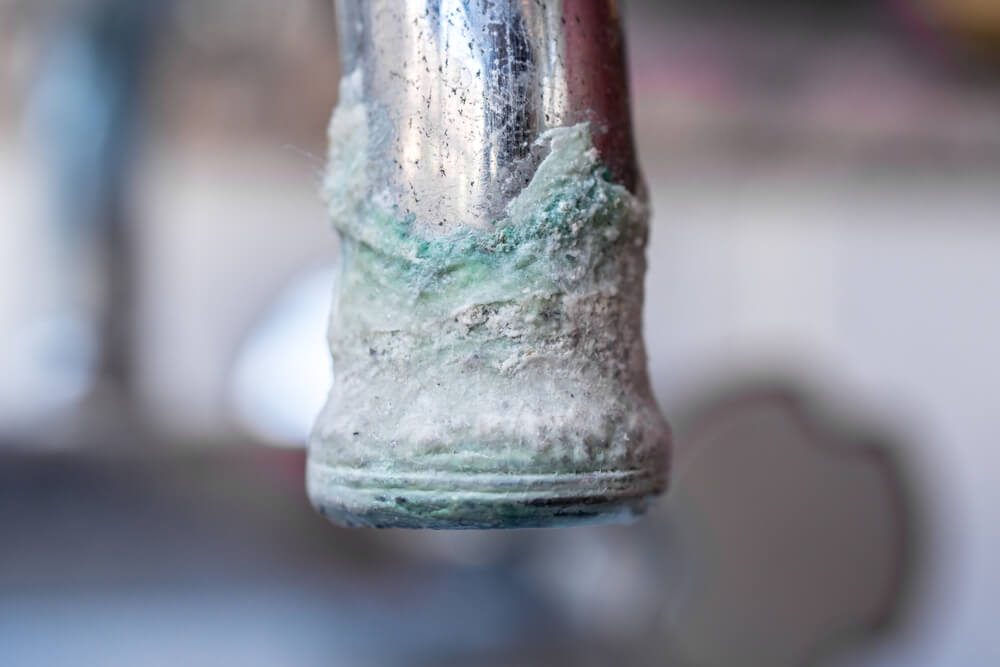
Scale and deposits can influence corrosion conditions, but scale is not the sole cause and its removal does not guarantee that metal release stops. Corrosion control requires a broader chemical and material assessment.

How to Test Nickel and Chromium in Drinking Water

  1. Use a qualified laboratory and specify nickel, total chromium, and any required chromium speciation.
  2. Collect a first-draw sample if the concern is plumbing release after stagnation.
  3. Collect a flushed sample when investigating source water or upstream plumbing.
  4. Record the faucet material, age, aerator condition, stagnation time, and recent work.
  5. Compare multiple fixtures when the pattern is unclear.

Do not use taste, color, TDS, or a home strip as proof that nickel or chromium is absent. Clear water can still contain dissolved metals.

Does Nickel Rust in Water?

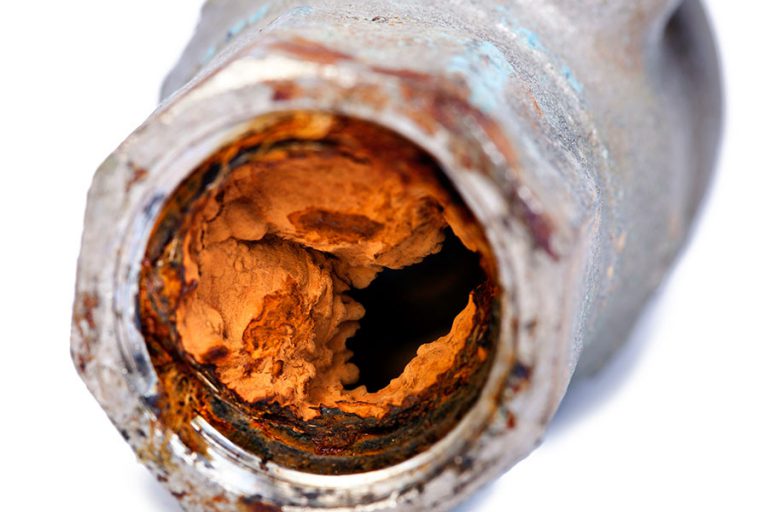
“Rust” usually refers to iron corrosion products. Nickel-containing alloys can corrode, pit, or release nickel without producing familiar orange rust. Their resistance depends on alloy composition, surface finish, water chemistry, temperature, and exposure time.

Choosing Treatment

The CDC notes that reverse osmosis can reduce some metals, including chromium, but users must check the specific system label. Ion exchange, adsorption media, membranes, or source correction may be considered depending on the measured contaminant and water chemistry.

A filter for bacteria is not automatically a filter for dissolved nickel or chromium. Microbial and metal treatment claims require different evidence.

TipaTech and Metal-Reduction Claims

Water Filtration Systems from TipaTech should only be described as reducing nickel or chromium when current documentation supports that exact claim for the model, configuration, flow, and capacity. Scale conditioning or fine-particle filtration alone is not proof of dissolved-metal removal.

When the source is a fixture or section of plumbing, replacement or corrosion control may be more direct than treating the entire property. A water test and sampling pattern should guide the recommendation.

The Bottom Line

Nickel and chromium are distinct substances. Their presence at a tap depends on source water, plumbing materials, water chemistry, and stagnation. Avoid blanket carcinogen claims, test the right samples, and select treatment with a verified claim for the measured metal.

Frequently Asked Questions

Are nickel and chromium toxic?

They are separate elements with different chemical forms and health effects. Risk depends on the form, concentration, route, and duration of exposure. Occupational inhalation findings should not be automatically applied to drinking water.

Can nickel or chromium come from a faucet?

Yes. Plumbing alloys, plating, corrosion, and stagnation can contribute metals at the tap. Testing first-draw and flushed samples can help investigate the source.

Is chromium-6 the same as total chromium?

No. Total chromium includes multiple forms, primarily chromium-3 and chromium-6. The EPA federal drinking-water standard is for total chromium, so speciation requires a separate analytical method.

Does nickel rust in water?

Nickel-containing alloys can corrode or release nickel under certain water conditions, but the behavior depends on the alloy, protective surface, pH, disinfectant, chloride, temperature, and stagnation.

What filter removes nickel or chromium?

Treatment depends on the measured form and concentration. Some reverse osmosis, ion exchange, or other certified systems may reduce specific metals. Verify the exact model claim and retest when the risk warrants it.

whole house water filtration systems

Cleaner. Smarter. Healthier

At TipaTech we specialize in advanced whole house water filtration systems designed to protect your health and improve your water at every tap. Our patented technology reduces lead, bacteria, microplastics and harmful chemicals while preserving essential minerals like magnesium. Tested and Certified by IAPMO Compliance to: NSF/ANSI 42/61/372-2022 standards. Our systems deliver safe, eco-friendly, antioxidant-rich water with no electricity, no waste and no compromises.

Make Your Water Smarter

This article is for informational purposes only and is not medical advice. TipaTech products are designed to support water quality, not to diagnose, treat, cure, or prevent any disease. Product performance varies based on source water, usage, and professional installation. TipaTech disclaims any liability arising from reliance on this content.

About the Author

Baruch Ziser

Founder & Senior Scientific Consultant | Inventor of the TipaTech Filtration Systems

Baruch Ziser is a leading expert in water technology with fifty years of experience. As the inventor of TipaTech filters and a senior scientist at the Technion’s INOVATEC program, he has developed advanced water systems that reduce impurities while retaining and adding the necessary minerals for optimal body function. His innovations are recognized globally for improving drinking water quality in homes and agriculture.

The TipaTech Water Filtration Systems have been Tested and Certified by IAPMO

& Compliance to NSF/ANSI/CAN standards

NSF/ANSI/CAN Standards | IAPMO, R&T, UPC and the Standards Council of Canada

More to Know

DID YOU KNOW?  ·  DRINKING WATER CONTAMINANTS

Nickel and Chromium in Drinking Water: Sources, Testing and Treatment

Learn how nickel and chromium can enter drinking water, why their risks differ, how faucet corrosion is tested, and which treatment evidence matters.

By Baruch Ziser Updated July 13, 2026 4 min read
Nickel and Chromium in Drinking Water: Sources, Testing and Treatment
TOPICDrinking Water Contaminants
READING TIME4 minutes
FIRST PUBLISHEDMarch 24, 2025

Nickel and chromium can occur in drinking water, but the phrase "nickel chromium" often creates confusion. They are separate elements. They may appear together in stainless steel or decorative plating, yet their release, chemical forms, and health evidence are not identical.

The original claim that every nickel-chromium faucet creates a hidden carcinogen was too broad. A responsible assessment begins with water testing, plumbing materials, corrosion conditions, and the specific form of chromium being discussed.

Nickel and Chromium Are Not One Contaminant

Nickel

Nickel is used in stainless steel, alloys, and plating. It can enter source water from natural or industrial sources and can also be released from plumbing materials. Some people are sensitive to nickel through skin contact. Drinking-water risk depends on concentration and exposure, not simply the presence of a nickel-containing fixture.

Chromium

Chromium occurs mainly in trivalent chromium, chromium-3, and hexavalent chromium, chromium-6. They behave differently. The EPA federal drinking-water standard is 0.1 mg/L, or 100 parts per billion, for total chromium. Total chromium does not reveal how much is chromium-6 without additional analysis.

Evidence about cancer risk from inhaling certain nickel or chromium compounds in occupational settings should not be converted into a blanket claim that drinking from any metal faucet causes cancer.

How Metals Can Reach the Tap

  • Natural minerals or industrial contamination in source water
  • Corrosion of alloys, fittings, valves, and plated fixtures
  • Long stagnation time inside premise plumbing
  • Low pH or other aggressive water chemistry
  • Chloride, disinfectants, temperature, and galvanic interactions
  • Disturbance after plumbing installation or repair

Scale and deposits can influence corrosion conditions, but scale is not the sole cause and its removal does not guarantee that metal release stops. Corrosion control requires a broader chemical and material assessment.

How to Test Nickel and Chromium in Drinking Water

  1. Use a qualified laboratory and specify nickel, total chromium, and any required chromium speciation.
  2. Collect a first-draw sample if the concern is plumbing release after stagnation.
  3. Collect a flushed sample when investigating source water or upstream plumbing.
  4. Record the faucet material, age, aerator condition, stagnation time, and recent work.
  5. Compare multiple fixtures when the pattern is unclear.

Do not use taste, color, TDS, or a home strip as proof that nickel or chromium is absent. Clear water can still contain dissolved metals.

Does Nickel Rust in Water?

"Rust" usually refers to iron corrosion products. Nickel-containing alloys can corrode, pit, or release nickel without producing familiar orange rust. Their resistance depends on alloy composition, surface finish, water chemistry, temperature, and exposure time.

Choosing Treatment

The CDC notes that reverse osmosis can reduce some metals, including chromium, but users must check the specific system label. Ion exchange, adsorption media, membranes, or source correction may be considered depending on the measured contaminant and water chemistry.

A filter for bacteria is not automatically a filter for dissolved nickel or chromium. Microbial and metal treatment claims require different evidence.

TipaTech and Metal-Reduction Claims

Water Filtration Systems from TipaTech should only be described as reducing nickel or chromium when current documentation supports that exact claim for the model, configuration, flow, and capacity. Scale conditioning or fine-particle filtration alone is not proof of dissolved-metal removal.

When the source is a fixture or section of plumbing, replacement or corrosion control may be more direct than treating the entire property. A water test and sampling pattern should guide the recommendation.

The Bottom Line

Nickel and chromium are distinct substances. Their presence at a tap depends on source water, plumbing materials, water chemistry, and stagnation. Avoid blanket carcinogen claims, test the right samples, and select treatment with a verified claim for the measured metal.

Frequently Asked Questions

Are nickel and chromium toxic?

They are separate elements with different chemical forms and health effects. Risk depends on the form, concentration, route, and duration of exposure. Occupational inhalation findings should not be automatically applied to drinking water.

Can nickel or chromium come from a faucet?

Yes. Plumbing alloys, plating, corrosion, and stagnation can contribute metals at the tap. Testing first-draw and flushed samples can help investigate the source.

Is chromium-6 the same as total chromium?

No. Total chromium includes multiple forms, primarily chromium-3 and chromium-6. The EPA federal drinking-water standard is for total chromium, so speciation requires a separate analytical method.

Does nickel rust in water?

Nickel-containing alloys can corrode or release nickel under certain water conditions, but the behavior depends on the alloy, protective surface, pH, disinfectant, chloride, temperature, and stagnation.

What filter removes nickel or chromium?

Treatment depends on the measured form and concentration. Some reverse osmosis, ion exchange, or other certified systems may reduce specific metals. Verify the exact model claim and retest when the risk warrants it.
FROM INFORMATION TO THE RIGHT NEXT STEP

Not sure what is affecting your water?

Start with the water source, available test results, property conditions and the treatment goal. TipaTech can help review the situation before a system is selected.

Baruch Ziser

ABOUT THE AUTHOR

Baruch Ziser

Founder & Senior Scientific Consultant | Inventor of the TipaTech Filtration Systems

Baruch Ziser is a leading expert in water technology with fifty years of experience. As the inventor of TipaTech filters and a senior scientist at the Technion’s INOVATEC program, he has developed advanced water systems that reduce impurities while retaining and adding the necessary minerals for optimal body function. His innovations are recognized globally for improving drinking water quality in homes and agriculture.

The TipaTech Water Filtration Systems have been Tested and Certified by IAPMO

& Compliance to NSF/ANSI/CAN standards

NSF/ANSI/CAN Standards | IAPMO, R&T, UPC and the Standards Council of Canada

Contact Us