economical water filter
Table of Contents

An affordable water filter is not simply the unit with the lowest price tag. The economical choice is the system that solves a defined water problem, maintains adequate flow, and remains affordable to service over its useful life. A bargain filter that misses the target contaminant or requires frequent replacement can cost more than a well-matched system.

Start with the water. The CDC recommends testing and choosing treatment for the specific germs or chemicals of concern. Without that step, homeowners often pay for stages they do not need or expect one cartridge to do several incompatible jobs.

The Hidden Costs of Water Filtration

  • Professional installation and plumbing changes
  • Replacement cartridges, media, lamps, membranes, and seals
  • Service calls and sanitation
  • Electricity, regeneration water, or reject water
  • Pressure loss when the system is undersized or clogged
  • Testing before purchase and verification after treatment
  • Disposal of spent media and wastewater

A useful comparison looks at total cost of ownership, not only the first invoice.

Economical Water Filters: What to Look For

A Defined Treatment Goal

Write down the problem first: sediment, chlorine taste, hardness, scale, lead, nitrate, microorganisms, or another measured issue. Each requires a different process. A water filtration system should have a clear job rather than a long list of vague benefits.

Model-Specific Performance

Look for a verified claim that applies to the exact model, cartridge, flow rate, and capacity. A material-safety standard is not the same as a contaminant-reduction claim. A micron rating is not proof that every smaller or larger contaminant is removed.

Realistic Capacity

Capacity depends on the test conditions and the incoming water. Heavy sediment, iron, chlorine, or organic matter can shorten service life. Ask what causes replacement: time, gallons, pressure drop, breakthrough, lamp hours, or laboratory results.

Available Replacement Parts

A low-cost housing becomes expensive if proprietary cartridges are unavailable or priced unpredictably. Confirm the part number, replacement interval, warranty, service network, and whether the owner can perform routine maintenance safely.

Point-of-Use vs Whole-House Cost

A point-of-use unit treats one drinking tap and can be the most economical solution for a contaminant that matters mainly in drinking and cooking water. Whole-house treatment is more appropriate when the concern affects showers, laundry, plumbing, water heaters, or every fixture.

Treating every gallon with the most intensive technology is not automatically efficient. A layered design can use broad point-of-entry treatment and a specialized drinking-water stage only where it adds value. The guide to water purification at home explains how filtration, disinfection, softening, and membranes address different goals.

How to Compare Total Cost of Ownership

  1. Record the purchase and installation price.
  2. List every consumable and its realistic replacement interval.
  3. Estimate service, electricity, salt, and water use.
  4. Include pretreatment needed to protect the main stage.
  5. Compare rated flow and pressure loss at end-of-life conditions.
  6. Consider the cost of downtime, leaks, or unavailable parts.
  7. Calculate a five-year and ten-year ownership estimate.

When a Cheap Filter Is a False Economy

A low price is a warning when the seller cannot identify what the filter reduces, how that claim was tested, or when the cartridge must be replaced. Other warning signs include a universal “removes everything” claim, no pressure-drop data, no replacement supply, and health promises based only on TDS or taste.

TipaTech: Matching Treatment to the Property

TipaTech’s whole-house and point-of-use options should be evaluated by function, flow, service life, and documented performance. A system can be economical when it avoids unnecessary stages, remains serviceable, and addresses the actual water conditions. It should not be described as the cheapest or as a universal substitute for every technology.

The Bottom Line

The best affordable water filter balances verified performance, installation, maintenance, flow, and long-term cost. Test first, compare like-for-like claims, and buy the least complex system that reliably addresses the identified need.

Frequently Asked Questions

What is the most affordable type of water filter?

The lowest total-cost option is the smallest correctly certified system that addresses the actual problem. For drinking water only, a point-of-use filter can cost less than treating the whole house.

Are cheap water filters any good?

Some inexpensive filters perform well for a narrow claim such as chlorine taste and odor. Price alone does not establish performance. Check the exact contaminant claim, certification, capacity, flow, and replacement cost.

How do I calculate the real cost of a water filter?

Add purchase and installation cost, replacement cartridges or media, service, water and electricity use, disposal, and the expected life of major components. Divide by realistic years or gallons of use.

Should I buy a whole-house or under-sink filter?

Use whole-house treatment when the concern affects many fixtures or appliances. Use point-of-use treatment when the main goal is drinking and cooking water. Some properties benefit from both, with each stage assigned a specific job.

Can a low-cost TDS meter tell me which filter to buy?

No. A TDS meter estimates dissolved ionic content but does not identify lead, bacteria, pesticides, PFAS, microplastics, or many other concerns. Use a utility report or appropriate laboratory testing.

whole house water filtration systems

Cleaner. Smarter. Healthier

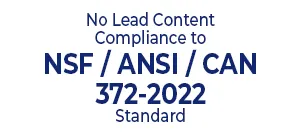
At TipaTech we specialize in advanced whole house water filtration systems designed to protect your health and improve your water at every tap. Our patented technology reduces lead, bacteria, microplastics and harmful chemicals while preserving essential minerals like magnesium. Tested and Certified by IAPMO Compliance to: NSF/ANSI 42/61/372-2022 standards. Our systems deliver safe, eco-friendly, antioxidant-rich water with no electricity, no waste and no compromises.

Make Your Water Smarter

This article is for informational purposes only and is not medical advice. TipaTech products are designed to support water quality, not to diagnose, treat, cure, or prevent any disease. Product performance varies based on source water, usage, and professional installation. TipaTech disclaims any liability arising from reliance on this content.

About the Author

Baruch Ziser

Founder & Senior Scientific Consultant | Inventor of the TipaTech Filtration Systems

Baruch Ziser is a leading expert in water technology with fifty years of experience. As the inventor of TipaTech filters and a senior scientist at the Technion’s INOVATEC program, he has developed advanced water systems that reduce impurities while retaining and adding the necessary minerals for optimal body function. His innovations are recognized globally for improving drinking water quality in homes and agriculture.

The TipaTech Water Filtration Systems have been Tested and Certified by IAPMO

& Compliance to NSF/ANSI/CAN standards

NSF/ANSI/CAN Standards | IAPMO, R&T, UPC and the Standards Council of Canada

More to Know

DID YOU KNOW?  ·  WATER FILTRATION SYSTEMS

Affordable Water Filters: Compare Cost, Performance and Maintenance

Compare affordable water filters by verified performance, replacement cost, flow, maintenance, and total ownership cost before choosing a home system.

By Baruch Ziser Updated July 13, 2026 4 min read
Affordable Water Filters: Compare Cost, Performance and Maintenance
TOPICWater Filtration Systems
READING TIME4 minutes
FIRST PUBLISHEDMarch 12, 2025

An affordable water filter is not simply the unit with the lowest price tag. The economical choice is the system that solves a defined water problem, maintains adequate flow, and remains affordable to service over its useful life. A bargain filter that misses the target contaminant or requires frequent replacement can cost more than a well-matched system.

Start with the water. The CDC recommends testing and choosing treatment for the specific germs or chemicals of concern. Without that step, homeowners often pay for stages they do not need or expect one cartridge to do several incompatible jobs.

The Hidden Costs of Water Filtration

  • Professional installation and plumbing changes
  • Replacement cartridges, media, lamps, membranes, and seals
  • Service calls and sanitation
  • Electricity, regeneration water, or reject water
  • Pressure loss when the system is undersized or clogged
  • Testing before purchase and verification after treatment
  • Disposal of spent media and wastewater

A useful comparison looks at total cost of ownership, not only the first invoice.

Economical Water Filters: What to Look For

A Defined Treatment Goal

Write down the problem first: sediment, chlorine taste, hardness, scale, lead, nitrate, microorganisms, or another measured issue. Each requires a different process. A water filtration system should have a clear job rather than a long list of vague benefits.

Model-Specific Performance

Look for a verified claim that applies to the exact model, cartridge, flow rate, and capacity. A material-safety standard is not the same as a contaminant-reduction claim. A micron rating is not proof that every smaller or larger contaminant is removed.

Realistic Capacity

Capacity depends on the test conditions and the incoming water. Heavy sediment, iron, chlorine, or organic matter can shorten service life. Ask what causes replacement: time, gallons, pressure drop, breakthrough, lamp hours, or laboratory results.

Available Replacement Parts

A low-cost housing becomes expensive if proprietary cartridges are unavailable or priced unpredictably. Confirm the part number, replacement interval, warranty, service network, and whether the owner can perform routine maintenance safely.

Point-of-Use vs Whole-House Cost

A point-of-use unit treats one drinking tap and can be the most economical solution for a contaminant that matters mainly in drinking and cooking water. Whole-house treatment is more appropriate when the concern affects showers, laundry, plumbing, water heaters, or every fixture.

Treating every gallon with the most intensive technology is not automatically efficient. A layered design can use broad point-of-entry treatment and a specialized drinking-water stage only where it adds value. The guide to water purification at home explains how filtration, disinfection, softening, and membranes address different goals.

How to Compare Total Cost of Ownership

  1. Record the purchase and installation price.
  2. List every consumable and its realistic replacement interval.
  3. Estimate service, electricity, salt, and water use.
  4. Include pretreatment needed to protect the main stage.
  5. Compare rated flow and pressure loss at end-of-life conditions.
  6. Consider the cost of downtime, leaks, or unavailable parts.
  7. Calculate a five-year and ten-year ownership estimate.

When a Cheap Filter Is a False Economy

A low price is a warning when the seller cannot identify what the filter reduces, how that claim was tested, or when the cartridge must be replaced. Other warning signs include a universal "removes everything" claim, no pressure-drop data, no replacement supply, and health promises based only on TDS or taste.

TipaTech: Matching Treatment to the Property

TipaTech's whole-house and point-of-use options should be evaluated by function, flow, service life, and documented performance. A system can be economical when it avoids unnecessary stages, remains serviceable, and addresses the actual water conditions. It should not be described as the cheapest or as a universal substitute for every technology.

The Bottom Line

The best affordable water filter balances verified performance, installation, maintenance, flow, and long-term cost. Test first, compare like-for-like claims, and buy the least complex system that reliably addresses the identified need.

Frequently Asked Questions

What is the most affordable type of water filter?

The lowest total-cost option is the smallest correctly certified system that addresses the actual problem. For drinking water only, a point-of-use filter can cost less than treating the whole house.

Are cheap water filters any good?

Some inexpensive filters perform well for a narrow claim such as chlorine taste and odor. Price alone does not establish performance. Check the exact contaminant claim, certification, capacity, flow, and replacement cost.

How do I calculate the real cost of a water filter?

Add purchase and installation cost, replacement cartridges or media, service, water and electricity use, disposal, and the expected life of major components. Divide by realistic years or gallons of use.

Should I buy a whole-house or under-sink filter?

Use whole-house treatment when the concern affects many fixtures or appliances. Use point-of-use treatment when the main goal is drinking and cooking water. Some properties benefit from both, with each stage assigned a specific job.

Can a low-cost TDS meter tell me which filter to buy?

No. A TDS meter estimates dissolved ionic content but does not identify lead, bacteria, pesticides, PFAS, microplastics, or many other concerns. Use a utility report or appropriate laboratory testing.
FROM INFORMATION TO THE RIGHT NEXT STEP

Not sure what is affecting your water?

Start with the water source, available test results, property conditions and the treatment goal. TipaTech can help review the situation before a system is selected.

Baruch Ziser

ABOUT THE AUTHOR

Baruch Ziser

Founder & Senior Scientific Consultant | Inventor of the TipaTech Filtration Systems

Baruch Ziser is a leading expert in water technology with fifty years of experience. As the inventor of TipaTech filters and a senior scientist at the Technion’s INOVATEC program, he has developed advanced water systems that reduce impurities while retaining and adding the necessary minerals for optimal body function. His innovations are recognized globally for improving drinking water quality in homes and agriculture.

The TipaTech Water Filtration Systems have been Tested and Certified by IAPMO

& Compliance to NSF/ANSI/CAN standards

NSF/ANSI/CAN Standards | IAPMO, R&T, UPC and the Standards Council of Canada

Contact Us