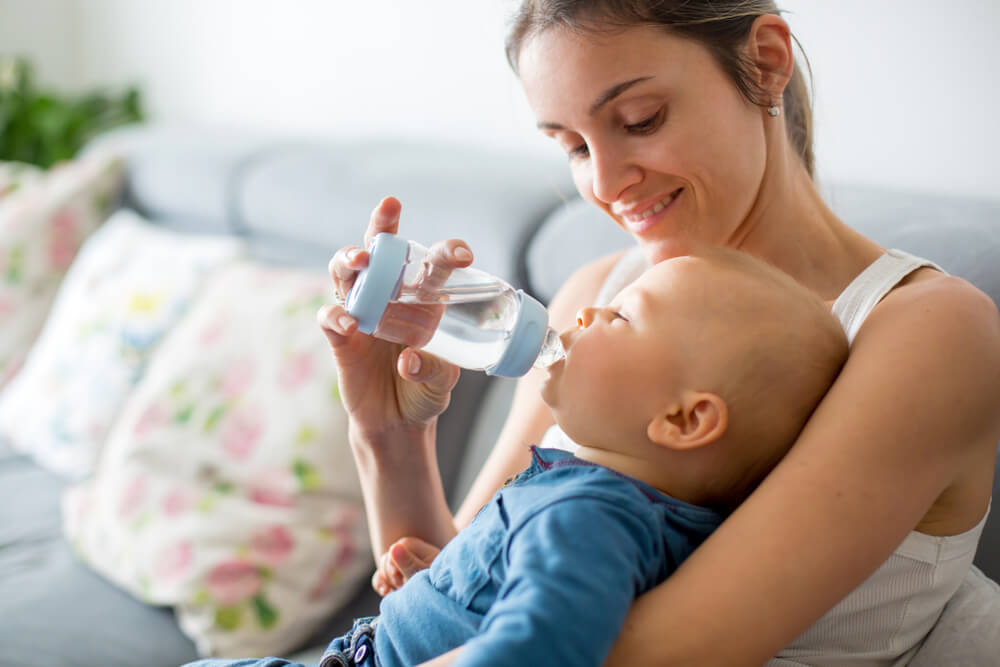
There is no universal brand or treatment method that qualifies as the best water for every baby formula. The safe choice is water from a known source, prepared according to the formula label and current guidance from the child’s clinician or local health authority.
Powdered infant formula is not sterile. Water safety matters, but correct handwashing, bottle sanitation, measuring, temperature, storage, and disposal are equally important.
Start With the Formula Instructions
The CDC formula preparation guidance says to use water from a safe source and measure the water first, using exactly the quantity listed on the container. Too much water can reduce nutrition; too little can place stress on the baby’s kidneys and contribute to dehydration.
Recommendations can differ for newborns, premature infants, babies with weakened immunity, emergency situations, and regions where water safety is uncertain. Ready-to-feed liquid formula may be recommended for some higher-risk infants because it is sterile until opened.
Tap Water
Municipal tap water can be suitable when it meets local standards and no advisory is in effect. Use cold water from the tap and let it run as advised locally, especially after long stagnation. Hot tap water can dissolve more lead from plumbing and should not be used directly for formula preparation.
Older plumbing can contribute lead even when water leaves the utility in compliance. Read more about lead in drinking water and babies.
Boiled Water
Boiling can inactivate many microorganisms in water, but it does not remove lead, arsenic, nitrate, sodium, or most dissolved chemicals. Follow the exact formula and health-authority instructions because the recommended water temperature may also be intended to reduce the risk from germs that can be present in powdered formula.
Do not repeatedly boil water down, which can concentrate nonvolatile substances. Cool prepared formula safely and never use a microwave, which can create hot spots.
Bottled Water
Bottled water may be convenient, but it is not automatically sterile. Mineral content, sodium, fluoride, and source vary. “Nursery water,” “purified,” “spring,” and “distilled” describe different products and do not replace preparation instructions.
Check the label and ask the child’s clinician when fluoride intake or a medical condition is a concern.
Filtered Water
Filtered water can be appropriate when the source is safe and the system is properly selected and maintained. A filter should be matched to the actual concern. Carbon may reduce chlorine taste and selected organic compounds, while reverse osmosis can reduce a broader range of dissolved substances. Neither should be assumed to sterilize water or powdered formula.
A point-of-use system such as LotusDY should be evaluated by its exact contaminant-reduction data, maintenance requirements, and suitability for the source water. Product marketing should not replace pediatric or public-health guidance.
Reverse-Osmosis and Distilled Water
RO and distilled water are low in many dissolved minerals. They can be used in some circumstances, but they do not make formula more nutritious, because formula is designed to supply the baby’s nutrients when mixed at the correct ratio.
Read more about reverse osmosis and mineral removal. Do not add extra powder, mineral drops, or less water to “compensate.”
Private Well Water
Private wells require owner testing. Nitrate is especially important for infants, and boiling does not remove it. Depending on location, testing may also include bacteria, arsenic, uranium, lead, pesticides, or other contaminants.
Safe Preparation Checklist
- Wash hands and clean the preparation surface.
- Use clean and sanitized bottles as recommended.
- Confirm the water source is safe.
- Measure water first, then add the exact amount of powder.
- Use prepared formula within the recommended time.
- Discard leftovers from a bottle after feeding begins.
Additional consumer explanations cited in the original article include Kaiser Permanente and Babylist. Current CDC, formula-label, local-health, and pediatric guidance should take priority.
Bottom Line
The safest water for baby formula is not determined by a premium label. Use a safe source, follow the formula instructions exactly, maintain any filter correctly, and seek individualized guidance for newborns, premature infants, private wells, advisories, or medical concerns.
Frequently Asked Questions
What is the best water for baby formula?
The best option is water from a safe, known source that meets local guidance and the formula manufacturer’s instructions. No single brand or treatment is best for every family.
Do I need to boil water for powdered formula?
Recommendations vary by infant age, health, water safety, location, and formula instructions. Follow the product label and advice from your pediatrician or local health authority.
Can bottled water be used for baby formula?
It may be used when appropriate, but bottled water is not automatically sterile or low in every mineral. Check the label and local medical guidance.
Can filtered water be used for baby formula?
Yes, when the source is safe and the filter is properly maintained. A filter does not sterilize powdered formula, and it may not remove every contaminant.
Is well water safe for infant formula?
Private well water should be tested, especially for nitrate, bacteria, arsenic, and other local concerns. Boiling does not remove nitrate or many dissolved chemicals.