Table of Contents

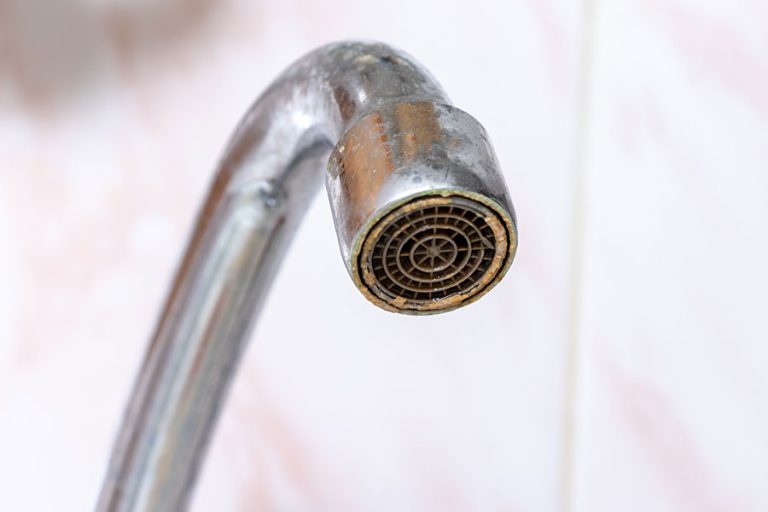
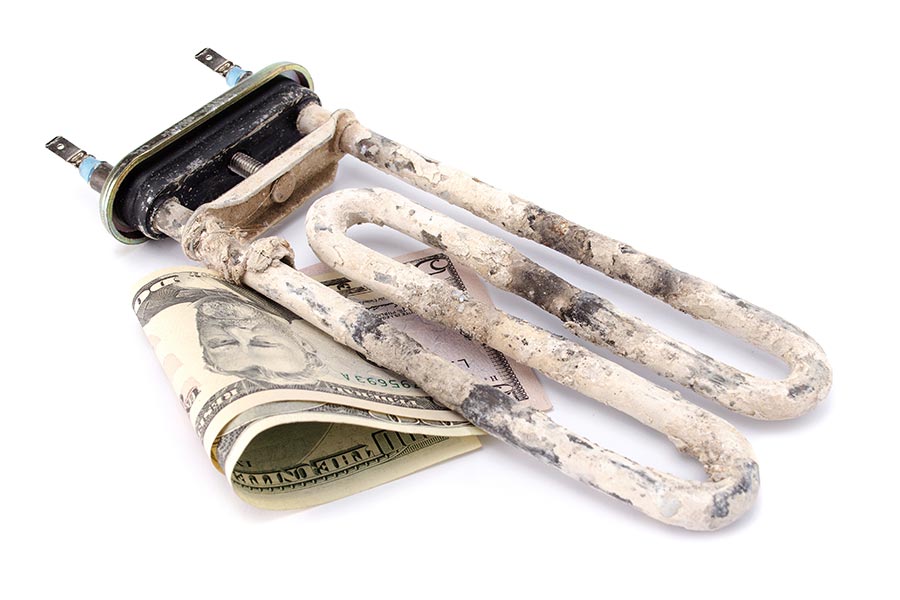
Scale buildup on a water heater or another heating surface can make heat transfer less efficient. The appliance may need to run longer or work harder to deliver the same amount of hot water, which can contribute to higher energy use, higher electricity costs, and more frequent maintenance.

That creates a real opportunity for electricity savings when scale is part of the problem – but the size of the effect varies. No scale-control system can honestly promise the same percentage saving or payback period for every property.

What Causes Water Heater Scale Buildup?

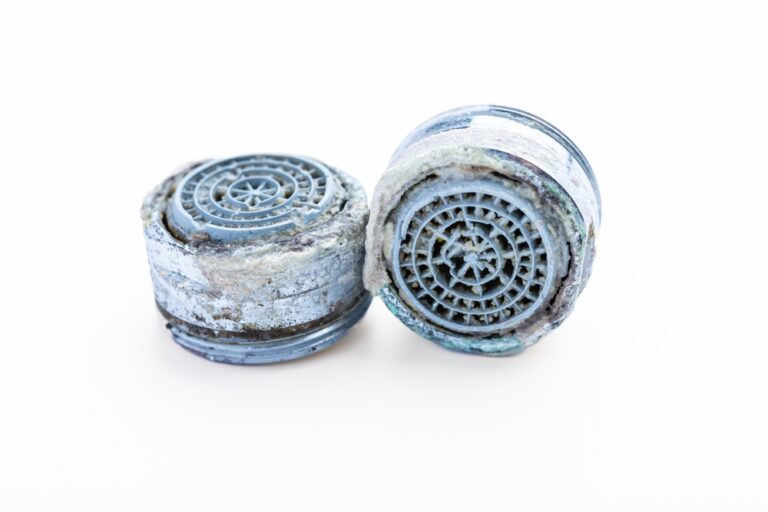
Hard water contains dissolved calcium and magnesium. When water is heated, some minerals can precipitate and form a hard layer on heating elements, tank surfaces, heat exchangers, valves, and pipes.

The amount and speed of buildup depend on:

  • Water hardness and alkalinity
  • Water temperature
  • Appliance design and materials
  • Daily hot-water use
  • Flow rate and residence time
  • Maintenance history

How Scale Can Increase Energy Use

Scale acts as an unwanted layer between the heat source and the water. On an electric element or heat exchanger, that layer can reduce heat transfer. The system may then operate for longer periods, reach higher component temperatures, or deliver less effective heating.

The U.S. Geological Survey notes that scale can raise water-heating costs and lower the efficiency of electric water heaters. The exact change at one property depends on the amount and location of scale, appliance type, energy price, and usage.

Which Appliances May Be Affected?

Tank Water Heaters

Mineral sediment can collect at the bottom of the tank or on heating components. Possible signs include rumbling or popping sounds, slower recovery, inconsistent hot water, and more frequent servicing.

Tankless Water Heaters and Boilers

Narrow waterways and heat exchangers can be sensitive to mineral buildup. Manufacturers often specify descaling intervals based on local hardness and use.

Dishwashers and Washing Machines

Scale can affect heating components, spray openings, and internal surfaces. Hard water may also reduce detergent efficiency, adding an indirect operating cost.

Coffee Makers and Electric Kettles

These small appliances make scale easy to see. Heating can slow, taste may change, and manufacturers may require more frequent descaling.

How to Recognize a Possible Scale-Efficiency Problem

  • Hot water takes longer to recover
  • The appliance makes new popping, rumbling, or whistling sounds
  • Flow falls at hot-water fixtures
  • Heating elements fail or require cleaning more often
  • Energy use rises without an obvious change in household behavior

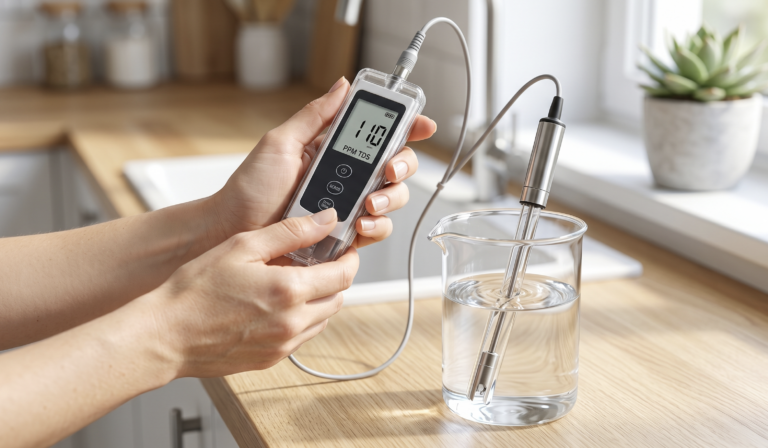
These signs are not proof that scale is the only cause. A licensed technician can assess the appliance, while a hardness test can clarify the water conditions.

Can Scale Reduction Lower Energy Bills?

Preventing or limiting new deposits can help preserve heat-transfer surfaces and may support more efficient operation over time. Actual savings cannot be calculated from hardness alone. Existing scale, appliance age, insulation, thermostat settings, household use, energy rates, and maintenance all affect the result.

Be cautious with claims promising a large fixed reduction in electricity bills or a very short payback period unless they come from a documented test that matches the appliance and water conditions being discussed.

Ways to Reduce Scale-Related Energy Loss

  • Test water hardness instead of relying only on visible residue.
  • Follow the appliance manufacturer’s flushing or descaling schedule.
  • Have heavily scaled equipment inspected before assuming an upstream system will remove existing deposits.
  • Choose between ion-exchange softening and scale conditioning based on the actual goal.
  • Size and install the treatment system for the property’s peak flow and plumbing.

For more detail on the problem itself, see Scale Deposits and Limescale. Correct system installation is also essential for stable pressure and treatment performance.

The TipaTech T-18 and Scale Management

The TipaTech T-18 Water System is designed to help manage scale throughout a property without salt-based softeners or electrical power. Because the unit itself does not require electricity for normal filtration and conditioning, it does not add a continuous electrical load to the home.

Its potential energy value is indirect: by helping limit scale formation, it may support cleaner heat-transfer surfaces and more consistent appliance operation. It should not be presented as a guaranteed reduction in a particular utility bill, and it should not be assumed to restore every appliance that already contains heavy deposits.

Understanding Certification Claims

TipaTech links to IAPMO documentation for the T-18. The available NSF/ANSI 42 certificate identifies material safety and structural integrity, while NSF/ANSI/CAN 372 addresses lead content in product materials. These listings should not be presented as certification of scale reduction, dissolved-lead removal, or a specific percentage of household energy savings.

For those performance questions, ask for the current model-specific listing, test report, and test conditions that apply to the configuration being considered.

Calculating the Business Case

A realistic evaluation considers more than the electricity bill:

  • Water hardness and existing scale condition
  • Age and efficiency of water-heating equipment
  • Maintenance, descaling, and repair history
  • Appliance replacement costs
  • Local energy and water prices
  • System purchase, installation, and maintenance costs

For some properties, maintenance and appliance protection may be more significant than measurable monthly energy savings. For others, particularly high-use facilities, preserving heat-transfer efficiency can be an important operational goal.

The Bottom Line

Water heater scale buildup can reduce heat-transfer efficiency and contribute to higher energy use, but the effect varies by property. Scale management is best presented as a way to support appliance performance and control maintenance – not as a guaranteed electricity-saving formula.

TipaTech develops water filtration systems for whole-house treatment. A site-specific assessment can determine whether the T-18 is appropriate for the hardness, flow, and equipment at the property.

Frequently Asked Questions

Does scale buildup increase water-heater energy use?

It can. Scale on a heating element or heat exchanger can reduce heat transfer, causing the appliance to operate longer or less efficiently. The size of the effect depends on the appliance, amount of scale, water hardness, and usage.

How do I know whether my water heater has scale buildup?

Possible signs include new rumbling or popping sounds, slower hot-water recovery, reduced flow, frequent element failure, or repeated descaling needs. A technician and a water-hardness test can help confirm the cause.

Will a scale-control system reduce my electricity bill?

It may help preserve heating efficiency by limiting new deposits, but no fixed saving can be guaranteed. Energy rates, appliance condition, household use, existing scale, and installation all affect the result.

Does the TipaTech T-18 use electricity?

The T-18 is designed to operate without electrical power for its normal whole-house filtration and conditioning process. Optional installation components or automation may have separate requirements.

Is the T-18 a water softener?

It is designed as a filtration and scale-conditioning system, not a conventional ion-exchange softener. It aims to manage scale while retaining naturally occurring minerals rather than removing hardness ions with salt regeneration.

whole house water filtration systems

Cleaner. Smarter. Healthier

At TipaTech we specialize in advanced whole house water filtration systems designed to protect your health and improve your water at every tap. Our patented technology reduces lead, bacteria, microplastics and harmful chemicals while preserving essential minerals like magnesium. Tested and Certified by IAPMO Compliance to: NSF/ANSI 42/61/372-2022 standards. Our systems deliver safe, eco-friendly, antioxidant-rich water with no electricity, no waste and no compromises.

Make Your Water Smarter

This article is for informational purposes only and is not medical advice. TipaTech products are designed to support water quality, not to diagnose, treat, cure, or prevent any disease. Product performance varies based on source water, usage, and professional installation. TipaTech disclaims any liability arising from reliance on this content.

About the Author

Baruch Ziser

Founder & Senior Scientific Consultant | Inventor of the TipaTech Filtration Systems

Baruch Ziser is a leading expert in water technology with fifty years of experience. As the inventor of TipaTech filters and a senior scientist at the Technion’s INOVATEC program, he has developed advanced water systems that reduce impurities while retaining and adding the necessary minerals for optimal body function. His innovations are recognized globally for improving drinking water quality in homes and agriculture.

The TipaTech Water Filtration Systems have been Tested and Certified by IAPMO

& Compliance to NSF/ANSI/CAN standards

NSF/ANSI/CAN Standards | IAPMO, R&T, UPC and the Standards Council of Canada

More to Know

DID YOU KNOW?  ·  HARD WATER & LIMESCALE

Water Heater Scale Buildup and Electricity Savings: What’s Realistic?

Learn how water heater scale buildup can affect heat transfer, energy use and electricity costs—and what scale management can realistically improve.

By Baruch Ziser Updated July 12, 2026 5 min read
Water Heater Scale Buildup and Electricity Savings: What’s Realistic?
TOPICHard Water & Limescale
READING TIME5 minutes
FIRST PUBLISHEDOctober 14, 2024

Scale buildup on a water heater or another heating surface can make heat transfer less efficient. The appliance may need to run longer or work harder to deliver the same amount of hot water, which can contribute to higher energy use, higher electricity costs, and more frequent maintenance.

That creates a real opportunity for electricity savings when scale is part of the problem - but the size of the effect varies. No scale-control system can honestly promise the same percentage saving or payback period for every property.

What Causes Water Heater Scale Buildup?

Hard water contains dissolved calcium and magnesium. When water is heated, some minerals can precipitate and form a hard layer on heating elements, tank surfaces, heat exchangers, valves, and pipes.

The amount and speed of buildup depend on:

  • Water hardness and alkalinity
  • Water temperature
  • Appliance design and materials
  • Daily hot-water use
  • Flow rate and residence time
  • Maintenance history

How Scale Can Increase Energy Use

Scale acts as an unwanted layer between the heat source and the water. On an electric element or heat exchanger, that layer can reduce heat transfer. The system may then operate for longer periods, reach higher component temperatures, or deliver less effective heating.

The U.S. Geological Survey notes that scale can raise water-heating costs and lower the efficiency of electric water heaters. The exact change at one property depends on the amount and location of scale, appliance type, energy price, and usage.

Which Appliances May Be Affected?

Tank Water Heaters

Mineral sediment can collect at the bottom of the tank or on heating components. Possible signs include rumbling or popping sounds, slower recovery, inconsistent hot water, and more frequent servicing.

Tankless Water Heaters and Boilers

Narrow waterways and heat exchangers can be sensitive to mineral buildup. Manufacturers often specify descaling intervals based on local hardness and use.

Dishwashers and Washing Machines

Scale can affect heating components, spray openings, and internal surfaces. Hard water may also reduce detergent efficiency, adding an indirect operating cost.

Coffee Makers and Electric Kettles

These small appliances make scale easy to see. Heating can slow, taste may change, and manufacturers may require more frequent descaling.

https://www.youtube.com/watch?v=7XCDY-vyD0Q

How to Recognize a Possible Scale-Efficiency Problem

  • Hot water takes longer to recover
  • The appliance makes new popping, rumbling, or whistling sounds
  • Flow falls at hot-water fixtures
  • Heating elements fail or require cleaning more often
  • Energy use rises without an obvious change in household behavior

These signs are not proof that scale is the only cause. A licensed technician can assess the appliance, while a hardness test can clarify the water conditions.

Can Scale Reduction Lower Energy Bills?

Preventing or limiting new deposits can help preserve heat-transfer surfaces and may support more efficient operation over time. Actual savings cannot be calculated from hardness alone. Existing scale, appliance age, insulation, thermostat settings, household use, energy rates, and maintenance all affect the result.

Be cautious with claims promising a large fixed reduction in electricity bills or a very short payback period unless they come from a documented test that matches the appliance and water conditions being discussed.

  • Test water hardness instead of relying only on visible residue.
  • Follow the appliance manufacturer’s flushing or descaling schedule.
  • Have heavily scaled equipment inspected before assuming an upstream system will remove existing deposits.
  • Choose between ion-exchange softening and scale conditioning based on the actual goal.
  • Size and install the treatment system for the property’s peak flow and plumbing.

For more detail on the problem itself, see Scale Deposits and Limescale. Correct system installation is also essential for stable pressure and treatment performance.

The TipaTech T-18 and Scale Management

The TipaTech T-18 Water System is designed to help manage scale throughout a property without salt-based softeners or electrical power. Because the unit itself does not require electricity for normal filtration and conditioning, it does not add a continuous electrical load to the home.

Its potential energy value is indirect: by helping limit scale formation, it may support cleaner heat-transfer surfaces and more consistent appliance operation. It should not be presented as a guaranteed reduction in a particular utility bill, and it should not be assumed to restore every appliance that already contains heavy deposits.

Understanding Certification Claims

TipaTech links to IAPMO documentation for the T-18. The available NSF/ANSI 42 certificate identifies material safety and structural integrity, while NSF/ANSI/CAN 372 addresses lead content in product materials. These listings should not be presented as certification of scale reduction, dissolved-lead removal, or a specific percentage of household energy savings.

For those performance questions, ask for the current model-specific listing, test report, and test conditions that apply to the configuration being considered.

Calculating the Business Case

A realistic evaluation considers more than the electricity bill:

  • Water hardness and existing scale condition
  • Age and efficiency of water-heating equipment
  • Maintenance, descaling, and repair history
  • Appliance replacement costs
  • Local energy and water prices
  • System purchase, installation, and maintenance costs

For some properties, maintenance and appliance protection may be more significant than measurable monthly energy savings. For others, particularly high-use facilities, preserving heat-transfer efficiency can be an important operational goal.

The Bottom Line

Water heater scale buildup can reduce heat-transfer efficiency and contribute to higher energy use, but the effect varies by property. Scale management is best presented as a way to support appliance performance and control maintenance - not as a guaranteed electricity-saving formula.

TipaTech develops water filtration systems for whole-house treatment. A site-specific assessment can determine whether the T-18 is appropriate for the hardness, flow, and equipment at the property.

Frequently Asked Questions

Does scale buildup increase water-heater energy use?

It can. Scale on a heating element or heat exchanger can reduce heat transfer, causing the appliance to operate longer or less efficiently. The size of the effect depends on the appliance, amount of scale, water hardness, and usage.

How do I know whether my water heater has scale buildup?

Possible signs include new rumbling or popping sounds, slower hot-water recovery, reduced flow, frequent element failure, or repeated descaling needs. A technician and a water-hardness test can help confirm the cause.

Will a scale-control system reduce my electricity bill?

It may help preserve heating efficiency by limiting new deposits, but no fixed saving can be guaranteed. Energy rates, appliance condition, household use, existing scale, and installation all affect the result.

Does the TipaTech T-18 use electricity?

The T-18 is designed to operate without electrical power for its normal whole-house filtration and conditioning process. Optional installation components or automation may have separate requirements.

Is the T-18 a water softener?

It is designed as a filtration and scale-conditioning system, not a conventional ion-exchange softener. It aims to manage scale while retaining naturally occurring minerals rather than removing hardness ions with salt regeneration.
FROM INFORMATION TO THE RIGHT NEXT STEP

Not sure what is affecting your water?

Start with the water source, available test results, property conditions and the treatment goal. TipaTech can help review the situation before a system is selected.

Baruch Ziser

ABOUT THE AUTHOR

Baruch Ziser

Founder & Senior Scientific Consultant | Inventor of the TipaTech Filtration Systems

Baruch Ziser is a leading expert in water technology with fifty years of experience. As the inventor of TipaTech filters and a senior scientist at the Technion’s INOVATEC program, he has developed advanced water systems that reduce impurities while retaining and adding the necessary minerals for optimal body function. His innovations are recognized globally for improving drinking water quality in homes and agriculture.

The TipaTech Water Filtration Systems have been Tested and Certified by IAPMO

& Compliance to NSF/ANSI/CAN standards

NSF/ANSI/CAN Standards | IAPMO, R&T, UPC and the Standards Council of Canada

Contact Us