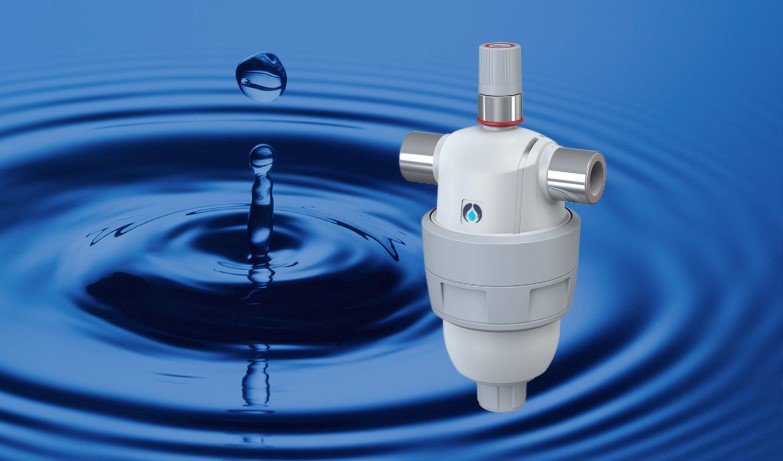
Are water filtration systems worth it? They are when they solve a real problem at a reasonable lifetime cost. They are not automatically necessary for every home, and the most expensive system is not automatically the most effective.
The decision should start with the water source, plumbing, and goal. According to the CDC, different treatment technologies remove different germs and chemicals, and a home may not need treatment when testing shows no harmful concern.
What Is the Problem You Want to Solve?
- Chlorine taste or odor
- Sediment, rust, or turbidity
- Hardness and scale management
- A confirmed contaminant such as lead, nitrate, arsenic, or a microorganism
- Protection of a water heater, coffee machine, membrane, or other equipment
- Less dependence on bottled water
These are different goals. A carbon filter selected for taste should not be expected to disinfect well water. A softener selected for hardness should not be expected to remove viruses. A TDS reading cannot identify which contaminant is present.
Whole-House vs Point-of-Use Value
Whole-House Treatment
A point-of-entry system treats most or all incoming water. It can be worthwhile when the issue affects showers, laundry, plumbing, water heaters, and multiple taps. It must be sized for peak flow and should not create excessive pressure loss.
Point-of-Use Treatment
An under-sink or countertop system treats water at one location. It may offer better value when the primary concern involves drinking and cooking water. It can use a specialized technology without treating toilet flushing, irrigation, and other non-drinking uses.
A Layered System
Some homes use broad whole-house treatment plus a specialized drinking-water stage. This is useful only when each stage has a defined purpose. More equipment adds cost and maintenance, so every component should earn its place.
The Science Behind Water Filtration
Filtration can work through physical pores, adsorption, ion exchange, membranes, oxidation, biological action, or a combination. The relevant question is not whether the technology sounds advanced. It is whether the exact model has verified performance for the actual water, contaminant level, flow, and service life.
A certified filtration system may provide stronger evidence, but the standard and claim must be read carefully. Certification for materials or structural safety does not automatically prove removal of lead, PFAS, bacteria, or another specific contaminant.
Are There Real Health Benefits?
Reducing a harmful contaminant can reduce exposure, but the benefit depends on whether that contaminant was present and whether the system is validated and maintained. Avoid broad promises such as “healthier water” without identifying the substance and evidence.
Many homeowners choose filtration for taste, odor, scale, convenience, or equipment protection. These can be legitimate benefits even when the untreated water meets public standards. They should be described as practical or aesthetic benefits, not medical treatment.
Cost vs Convenience
Include purchase, installation, cartridges, media, lamps, service, water, electricity, and disposal. Compare that total with the cost and effort of bottled water, appliance cleaning, repeated plumbing service, or other alternatives.
A system is more likely to be worth it when:
- The problem is documented or clearly defined.
- The treatment claim matches the problem.
- Replacement parts are available.
- The household can follow the maintenance schedule.
- Flow and pressure remain acceptable.
- The lifetime cost fits the expected benefit.
When a Water Filter Is Not Worth It
- The seller cannot explain what the system removes.
- The recommendation is based only on fear, taste, or a TDS number.
- The unit is too small for peak household flow.
- Maintenance costs are hidden or replacement parts are unavailable.
- A point-of-use problem is being solved with unnecessary whole-house complexity.
- The system is used instead of fixing a lead service line, failing well, cross-connection, or other source problem.
How TipaTech Should Be Evaluated
Water filtration systems from TipaTech should be assessed against the same practical standard: water conditions, defined treatment goal, model documentation, flow, installation, maintenance, and verified claims. Product selection should not rely on a promise that one system solves every possible water issue.
The Bottom Line
Water filtration is worth it when the system is targeted, documented, serviceable, and proportionate to the problem. Test or review the utility report, decide whether the need is whole-house or drinking-water only, and calculate the full ownership cost before buying.
Frequently Asked Questions
Are water filtration systems worth it?
They can be worth it when they solve a measured contaminant, taste, odor, sediment, hardness, scale, or convenience problem. A system is poor value when it is not matched to the water or is not maintained.
Do I need a filter if my utility water meets standards?
Not necessarily. Utility water may already be suitable for household use. Some homeowners still choose treatment for taste, a local plumbing concern, a vulnerable appliance, or an additional verified reduction goal.
Is a whole-house filter worth the cost?
It can be when the issue affects multiple fixtures, plumbing, or appliances. If the concern is limited to drinking water, an under-sink or other point-of-use system may be more economical.
Does filtered water save money compared with bottled water?
It may, depending on bottled-water use, system cost, cartridge replacement, and household consumption. Calculate total ownership cost rather than comparing only the initial price.
How can I tell whether a filter is effective?
Match the exact model and certification or test claim to the contaminant, flow, and capacity you need. Then maintain the system and use follow-up testing where the risk warrants it.