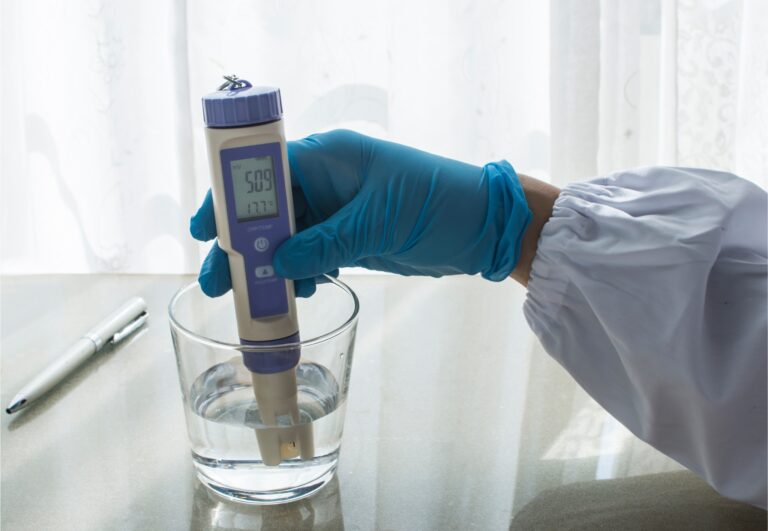
Magnesium is an essential mineral, and drinking water can contribute to daily intake. The “magnesium paradox” is the tension between removing unwanted dissolved substances and preserving a mineral profile that may contribute to taste and total intake.
Low-mineral water does not automatically create magnesium deficiency, and mineral-rich water is not a substitute for a balanced diet or medical care. The useful question is how the source water and treatment process affect mineral content – and whether remineralization serves a practical water-quality goal.
Why Magnesium Matters
The National Institutes of Health Office of Dietary Supplements describes magnesium as a cofactor in more than 300 enzyme systems. It contributes to normal muscle and nerve function, protein synthesis, blood-glucose control, blood-pressure regulation, and bone structure.
Adult recommended intakes generally range from 310 to 420 milligrams per day depending on age and sex. Pregnancy changes the recommended intake, with values generally ranging from 350 to 400 milligrams for adolescents and adults. These targets include magnesium from food, beverages, supplements, and medications.
The nutrient values and risk guidance in this article follow the NIH fact sheet. WebMD provides a general consumer overview, but individual supplementation decisions should be discussed with a qualified healthcare professional, especially for people with kidney disease or those taking medications.
How Much Magnesium Is in Drinking Water?
There is no single number. The NIH notes that tap, mineral, and bottled waters can contain magnesium, with amounts varying widely by source and brand. Water moving through magnesium-bearing rock may contain more, while rainwater, desalinated water, and highly purified water may contain very little.
The World Health Organization’s review of calcium and magnesium in drinking water discusses water as one possible contributor to mineral intake, particularly where dietary intake is marginal. It does not mean that water must provide the entire daily requirement.
Does Reverse Osmosis Remove Magnesium?
Reverse osmosis is designed to reduce dissolved substances, so it commonly reduces magnesium along with calcium and many unwanted contaminants. The exact reduction depends on membrane condition, pressure, source water, recovery ratio, and system design.
Our detailed guide, Does Reverse Osmosis Remove Minerals?, explains the broader tradeoff. Removing dissolved minerals can change taste and total dissolved solids, but it does not by itself diagnose a nutritional deficiency.
Does Low-Mineral Water Cause Magnesium Deficiency?
Not necessarily. Food is the main source of magnesium for most people. The NIH notes that symptomatic deficiency caused only by low dietary intake is uncommon in otherwise healthy people because the kidneys help conserve magnesium. Risk is more relevant for people with certain gastrointestinal conditions, type 2 diabetes, alcohol dependence, older age, or medications that affect magnesium balance.
A person concerned about deficiency should not try to diagnose it from water TDS or symptoms alone. A clinician can evaluate diet, health conditions, medications, and appropriate testing.
When Does Remineralization Make Sense?
Remineralization can be useful when treatment produces very low-mineral water and the goal is to adjust taste, mineral profile, or corrosivity. It may involve a mineral cartridge, blending, or a controlled dosing stage.
The correct target depends on the source water and treatment design. “More” is not automatically better, and a remineralization stage should not be marketed as preventing heart disease, neurological disease, pregnancy complications, or another medical outcome.
Magnesium, Pregnancy, and Medical Claims
Magnesium requirements increase during pregnancy, but water treatment should not be presented as prenatal care. Pregnant people should obtain individualized nutrition guidance from their healthcare provider. Drinking-water magnesium may contribute to total intake, but it is only one part of diet and health management.
Consumer resources such as Medical News Today and University Hospitals offer general background. They do not establish that adding magnesium to water will produce a particular medical outcome.
TipaTech Options for Mineral-Aware Water Treatment
T-18 Whole-House System
The T-18 whole-house water system is designed to manage scale without conventional salt-based demineralization. TipaTech states that an optional stage is designed to add magnesium to treated water at a target level of up to approximately 60 mg/L, depending on source-water composition, configuration, flow, and operating conditions.
That figure is a product target, not a guaranteed concentration at every faucet and not a medical dosage. Water testing before and after installation is the appropriate way to confirm the actual mineral profile.
LotusDY Under-Sink System
The LotusDY is designed to reduce unwanted substances while retaining naturally occurring minerals and allowing adjustment within a defined TDS range. This makes it relevant for households that want point-of-use purification without treating mineral removal as the objective.
TDS is a broad measure of dissolved substances; it does not identify how much magnesium is present or whether the water is nutritionally “better.” A mineral-specific test is needed for that.
Minerals, TDS, and ORP Are Not the Same Thing
Magnesium concentration, total dissolved solids, and oxidation-reduction potential describe different characteristics of water. A low or negative ORP value does not tell you the magnesium concentration, and a TDS reading does not identify the individual minerals or contaminants present. See our guide to ORP in water for the distinction.
How to Choose an Approach
- Review the source-water report and test the minerals or contaminants relevant to the property.
- Decide whether the goal is contaminant reduction, scale management, taste adjustment, or remineralization.
- Review verified performance data for the actual system and configuration.
- Measure treated-water mineral levels when a specific target matters.
- Use nutrition and medical advice for health concerns rather than relying on a water-system claim.
For more context, see our guide to minerals in drinking water.
The Bottom Line
Magnesium in drinking water can contribute to total intake, and treatment methods such as reverse osmosis may reduce it. But low-mineral water does not automatically create deficiency, and remineralization is not a medical treatment.
The best water-treatment decision starts with the source-water profile and the contaminants that need to be addressed. Mineral retention or controlled magnesium addition can then be considered as a taste and water-composition choice, with actual levels verified by testing.
Frequently Asked Questions
Is magnesium in drinking water good for you?
Magnesium is an essential nutrient, and water can contribute to total intake. The amount varies widely by source, and food remains the primary source for most people. Water magnesium should not be treated as a cure or guaranteed health benefit.
Does reverse osmosis remove magnesium from water?
Reverse osmosis commonly reduces magnesium because it removes many dissolved substances. The exact reduction depends on the membrane, pressure, source water, maintenance, and system configuration.
Do I need to remineralize reverse osmosis water?
Not everyone needs to. Remineralization may improve taste or create a preferred mineral profile, especially with very low-mineral source water. Nutritional or medical decisions should be based on the person’s overall diet and professional advice.
Can low-mineral water cause magnesium deficiency?
Low-mineral water alone does not automatically cause deficiency. Diet, health conditions, medications, absorption, and losses all matter. Anyone concerned about magnesium status should consult a healthcare professional.
How much magnesium can the TipaTech T-18 add?
TipaTech states that an optional T-18 stage is designed for a target level of up to approximately 60 mg/L. Actual levels depend on source water, configuration, flow, and operating conditions and should be confirmed by testing.