
DID YOU KNOW?
Drinking Water Contaminants
Evidence-based guides to lead, arsenic, radionuclides, microplastics, bacteria, gases, metals, and other drinking-water contaminants, including testing and treatment considerations.
EXPLORE THE HIDDEN SIDE OF WATER
Browse by Water Topic
Choose a focused guide collection or browse the entire knowledge center.
Selected: Drinking Water Contaminants. Results update instantly below.
Drinking Water Contaminants
Expert Guides in This Topic
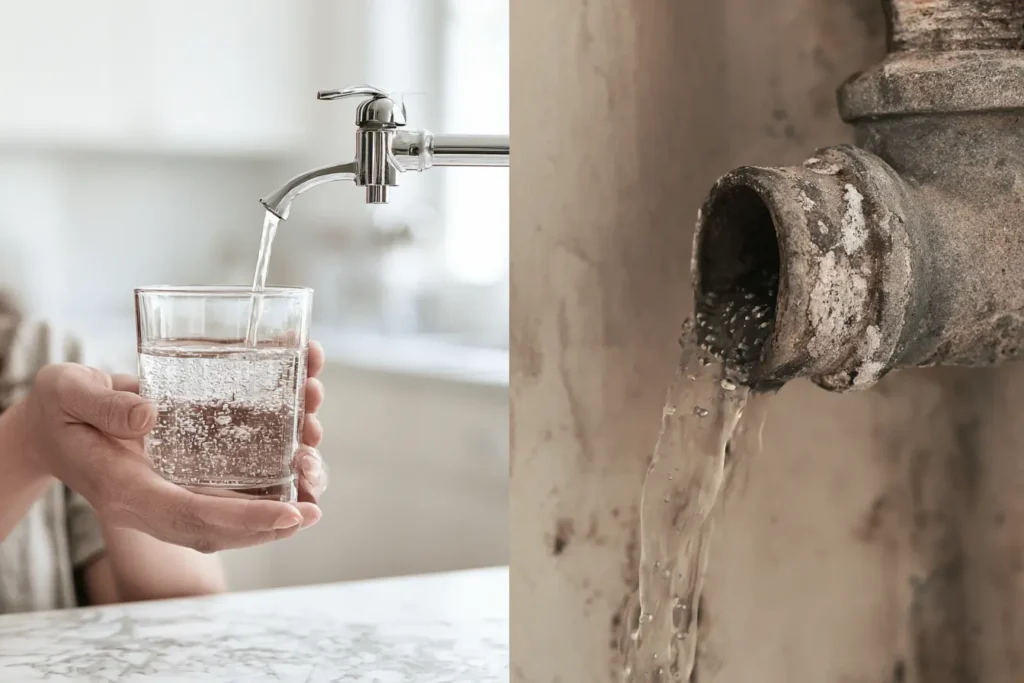
Lead in Drinking Water: Pipes, Tap Water & Home Risk
Most people assume that drinking water quality is determined before the water reaches the home. That assumption is only partly true. Water passes through source-water collection, treatment, storage and a public distribution system before it reaches a property.…
Read article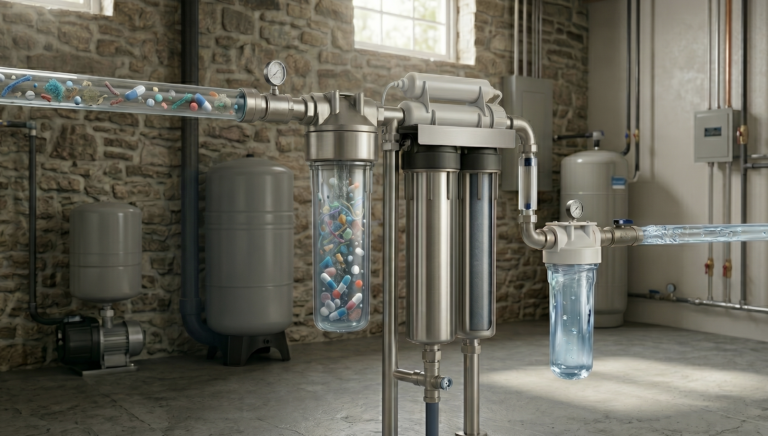
EPA CCL 6: Microplastics and Pharmaceuticals in Drinking Water
On April 2, 2026, the U.S. Environmental Protection Agency released draft CCL 6 and, for the first time in the candidate-list program, included microplastics and…
Read article
Well Water Contaminants: Gases, Arsenic, Metals, and Testing
Well water can look clear and taste normal while still containing substances that need attention. Groundwater reflects local geology, land use, well construction, plumbing, and…
Read article
Uranium and Thorium in Water: Lehi’s Story and Lab Results
In 2021, I received a call from a customer named Lehi. For roughly two years, she said that showering was followed by a red, irritating…
Read article
Lead in Drinking Water and EPA Rules: What Homeowners Should Know
Lead in drinking water is regulated in the United States, but regulation does not remove the need to understand your own tap. EPA rules apply…
Read article
Lead in Water and Children: Sources, Testing and Filters
Lead in water is a serious concern because it can come from the plumbing that delivers water to the tap, not only from the water…
Read article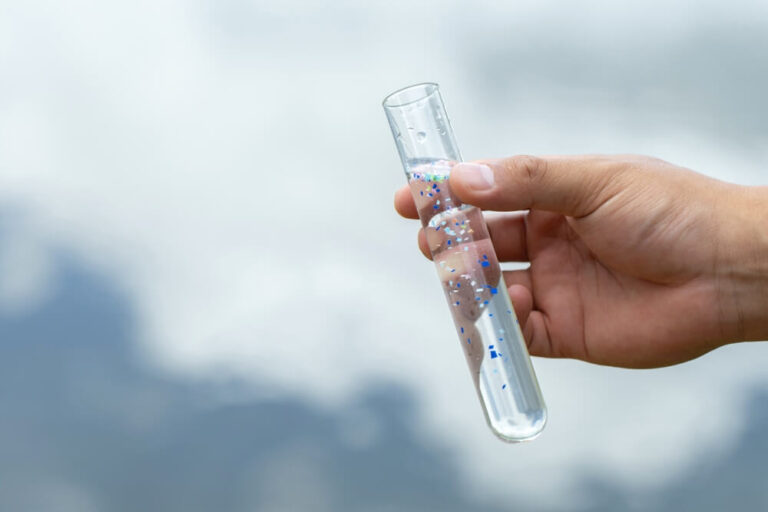
Microplastics in Water: What We Know and How to Reduce Exposure
Microplastics in water are a real concern, but the practical response should be evidence-based rather than alarm-based. Plastic particles have been studied in tap water,…
Read article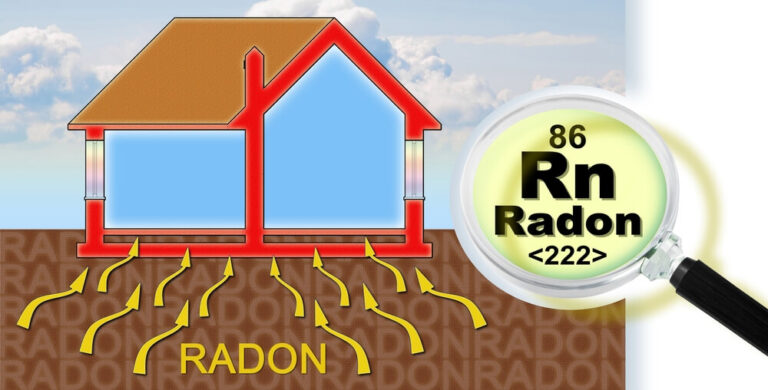
Radon in Water: Testing, Health Risks and Treatment Options
Radon in water is mainly a concern for homes that use groundwater or a private well. Radon is a naturally occurring radioactive gas. It has…
Read article
Microplastics in Tap Water: What We Know and How Filters Work
Microplastics have been detected in water, food, air, and human and animal tissues, but the science is still developing. Their presence is real. What remains…
Read article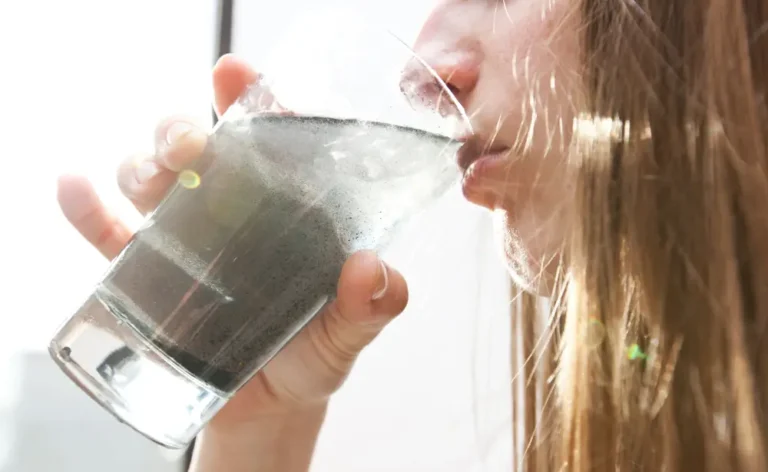
Arsenic in Water: Testing, Safe Levels and Treatment Options
Arsenic in water cannot be identified by taste, smell, or appearance. It is a naturally occurring element that can enter groundwater from rock and soil,…
Read article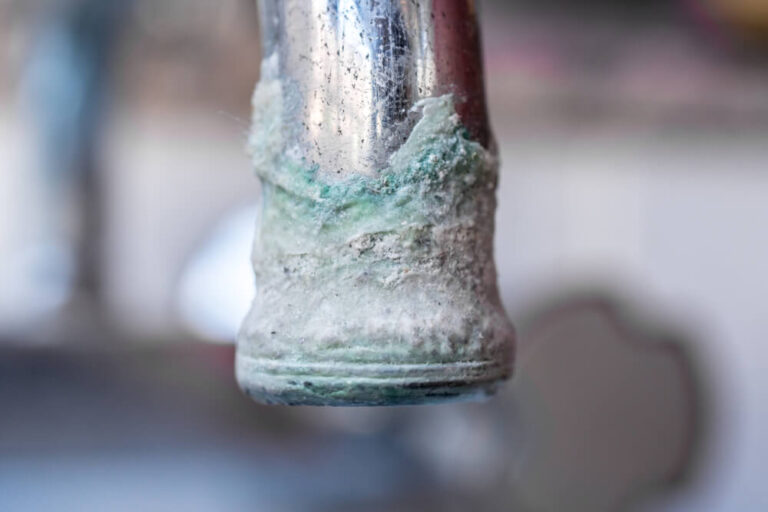
Nickel and Chromium in Drinking Water: Sources, Testing and Treatment
Nickel and chromium can occur in drinking water, but the phrase “nickel chromium” often creates confusion. They are separate elements. They may appear together in…
Read article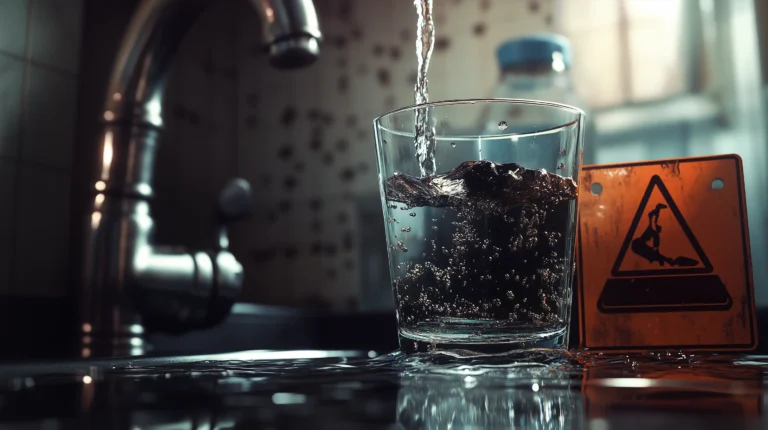
Lead in Drinking Water: Sources, Testing, Risks and Filters
Lead in drinking water is a serious exposure concern, especially for children and during pregnancy. It is also easy to misunderstand because lead usually has…
Read article