It was 2020 when my phone rang with a call that would become one of those stories I still can’t quite believe happened.
“Hello, can I speak with Baruch?” the voice on the other end asked.
“Speaking. Who’s calling?” I replied.
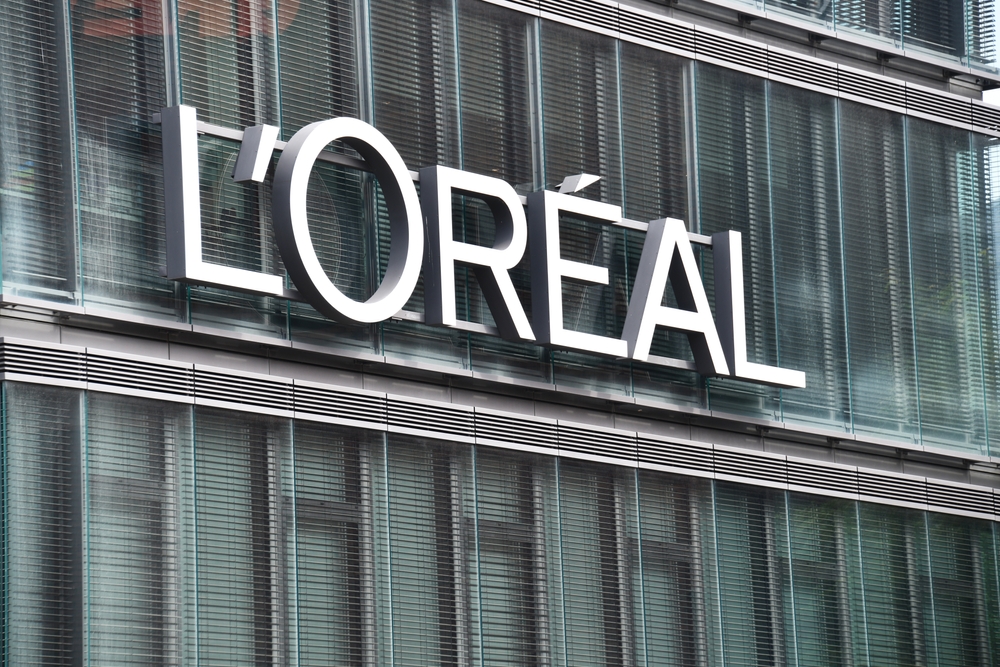
“We’re from L’Oréal Paris.”
I immediately switched to English—figured it would be easier for both of us.
The representative explained that their manufacturing plants had been completely shut down. They’d discovered contamination in their water systems along the production lines. My heart sank for them—I know what it’s like when everything grinds to a halt.
As we spoke, they shared something that caught my attention: they’d already reached out to the leading water treatment companies worldwide. None of them could solve the problem. That’s why they were calling me. They needed me to come to the facility immediately with my systems—their entire operation was at a standstill.
Here’s where it gets interesting: the plant was only 20 minutes away from me.
I made a quick decision, loaded up my car with T-18 systems, and headed over.
When I arrived at the factory gates, teams were waiting for me. But instead of walking me through the main entrance, they rushed me in through a side door—almost like I was being smuggled in. Why? Because there I was, showing up to a sterile manufacturing facility in flip-flops and shorts. No hat, no gloves, nothing. And they didn’t want the regular employees to see this casually dressed guy being escorted into their pristine production halls.
We installed the T-18 systems right then and there.
Fast forward to today, and I’m proud to say they’re still using our systems—zero malfunctions, zero problems. Every drop of water that goes into L’Oréal’s products at that facility now flows through TipaTech systems.
Sometimes the best solutions come in flip-flops.