
How to Purify Water at Home: Methods, Filters, and Testing

How to Purify Water at Home The best way to purify water at home depends on what is actually in the water. No single household method removes every contaminant. Sediment filtration, activated carbon, membranes, UV, boiling, distillation, softening, and scale conditioning solve different problems. Start with the water source and a defined goal. Public-water customers […]
How to Sterilize Water: Safe Disinfection Methods and Limits

People often ask how to sterilize water, but household methods usually disinfect water rather than prove that it is sterile. Disinfection reduces disease-causing microorganisms to a safer level. Sterility is a stricter laboratory or medical claim that ordinary home treatment cannot usually verify. For an emergency involving suspected microbial contamination, boiling is generally the preferred […]
Water Filter Installation: Whole-House and Under-Sink Guide

Water filter installation is not only about connecting a housing to a pipe. The system must match the water problem, peak household flow, pipe size, pressure, available space, and maintenance plan. A correctly selected and installed system can treat water consistently without creating avoidable pressure loss, leaks, bypass, or difficult cartridge service. The first decision […]
Best Water Filter for Bacteria and Viruses: How to Choose

The best water filter for bacteria and viruses is not one universal product. Bacteria, viruses, and protozoan parasites differ in size and resistance, and the correct technology depends on the water source, the organism, the concentration, and whether the goal is removal or inactivation. For public tap water, start with the utility report and any […]
Water Filter Benefits: What Filtration Can and Cannot Do

Why Water Filter Benefits Depend on the Water A water filter can improve taste, reduce a specific contaminant, protect equipment, or make a household less dependent on bottled water. It cannot deliver every benefit with every type of water. The useful starting point is the water source and the problem to solve. Public water users […]
Antioxidant Water and Free Radicals: What ORP Really Means

Free radicals are often described as harmful molecules that must be eliminated, but that is an oversimplification. The body produces reactive molecules during normal metabolism, immune activity, and cell signaling. Problems can arise when production exceeds the body’s ability to regulate and repair the resulting oxidative stress. “Antioxidant water” is a marketing term used for […]
Chlorine in Tap Water: What to Consider Before Whole-House Removal
Chlorine in tap water serves a clear public-health purpose: it kills germs during treatment and leaves a residual that continues working as water travels through pipes. At the same time, many homeowners want less chlorine taste or odor at the tap or in the shower. The right question is not whether chlorine is simply good […]
Radon in Water: Risks, Testing, and Treatment Options
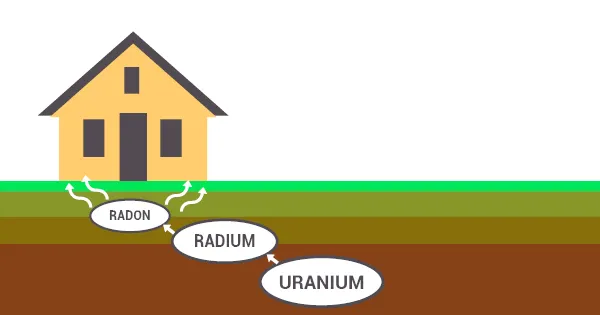
Radon in water is most relevant to homes that use groundwater, especially private wells in areas where uranium occurs naturally in rock and soil. Radon is colorless, odorless, and tasteless, so neither the water nor the indoor air gives a reliable warning. The main health concern is usually not swallowing the water. Radon can leave […]
The Magnesium Paradox: Magnesium in Drinking Water After Filtration

Magnesium is an essential mineral, and drinking water can contribute to daily intake. The “magnesium paradox” is the tension between removing unwanted dissolved substances and preserving a mineral profile that may contribute to taste and total intake. Low-mineral water does not automatically create magnesium deficiency, and mineral-rich water is not a substitute for a balanced […]
Water Heater Scale Buildup and Electricity Savings: What’s Realistic?

Scale buildup on a water heater or another heating surface can make heat transfer less efficient. The appliance may need to run longer or work harder to deliver the same amount of hot water, which can contribute to higher energy use, higher electricity costs, and more frequent maintenance. That creates a real opportunity for electricity […]