
Scale Deposits and Limescale: Causes, Effects, and Prevention
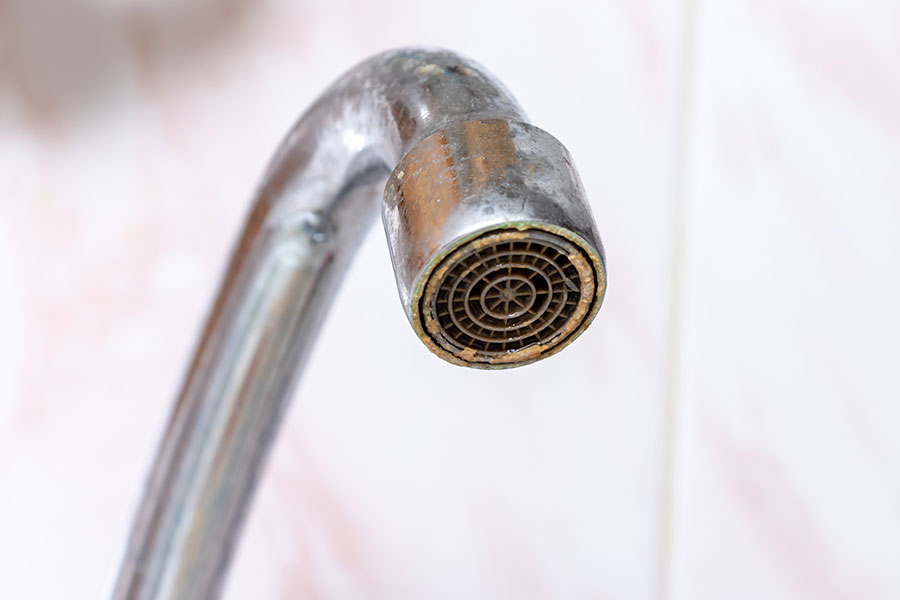
Scale deposits, also called limescale, are the hard or chalky mineral buildup that appears on faucets, showerheads, kettles, heating elements, and the inside of pipes. They form mainly when hard water contains dissolved calcium and magnesium and conditions cause those minerals to precipitate. Limescale is usually an operational and maintenance problem rather than proof that […]
Microplastics in Drinking Water and Bottled Water: What We Know

Microplastics have been detected in both tap water and bottled water. That finding is important, but it does not mean every sample contains the same number, type, or size of particles – or that bottled water is automatically safer than tap water. The practical questions are where these particles come from, what current research can […]
Lead in Drinking Water: How It Gets Into Your Pipes and What to Do
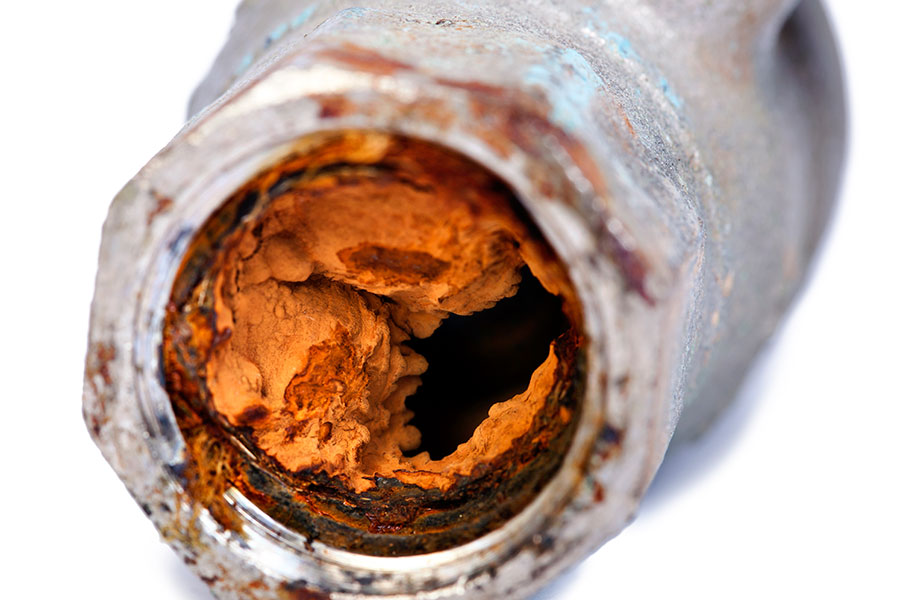
Lead in drinking water is usually not added at the treatment plant. It most often enters the water later, when water comes into contact with lead service lines, older solder, faucets, or plumbing components. This means water can leave a municipal system in good condition and still pick up lead before it reaches the glass. […]
Bacteria and Parasites in Drinking Water: Understanding the Potential Risks
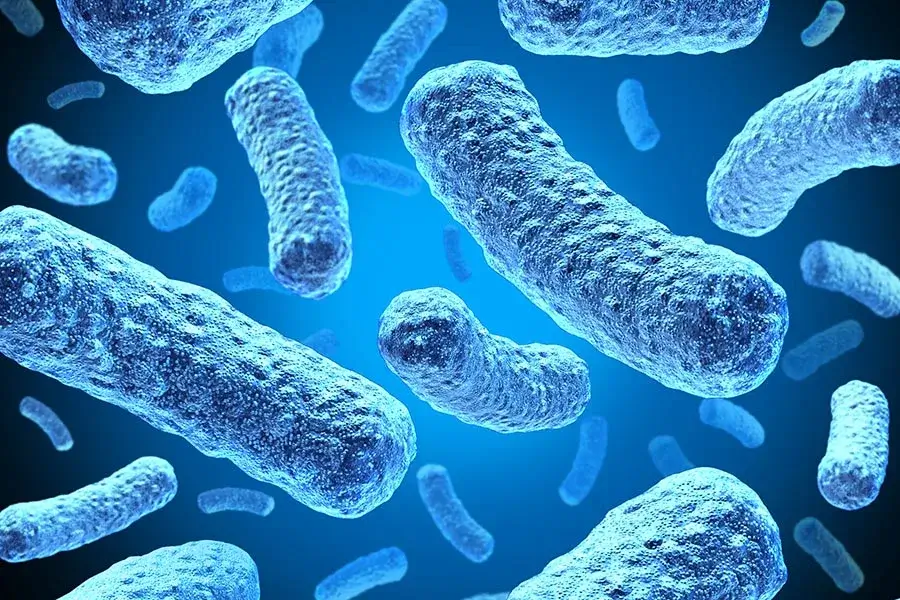
Most drinking water in the United States is treated and regulated, but that does not mean contamination can never occur. Problems may develop at the water source, during treatment, inside an aging distribution system, in private wells, or within poorly maintained plumbing and water dispensers. Bacteria and parasites are microscopic, so water can look, smell, […]