
Why Does My Water Taste Metallic? Causes, Testing, and Treatment
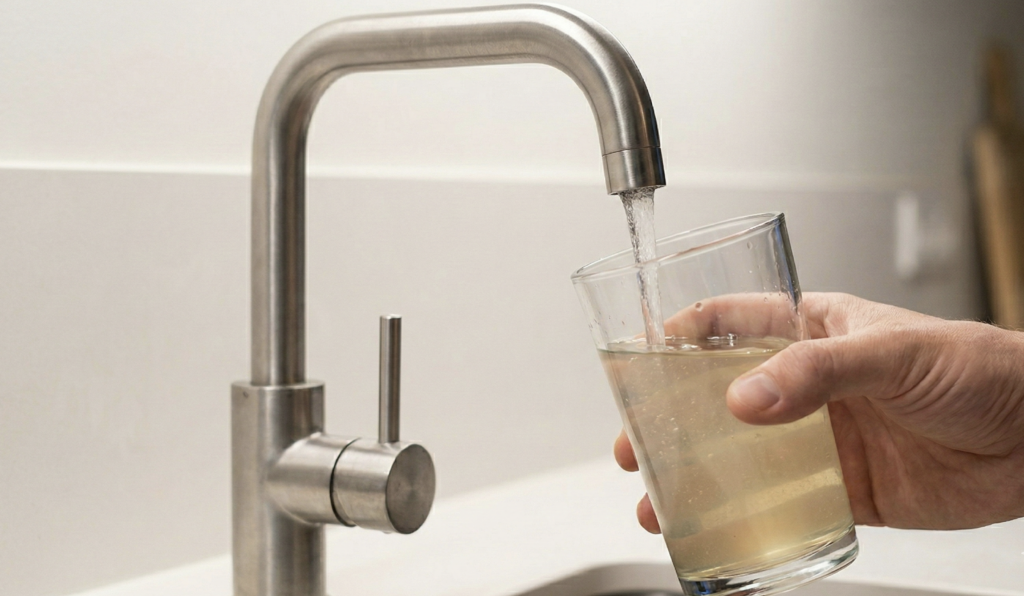
A metallic taste in water is a useful clue, but it is not a diagnosis. Iron, copper, zinc, plumbing corrosion, low pH, a new faucet, or a water heater can all change taste. At the same time, some important contaminants, including lead, may be present without a noticeable taste, smell, or color. The safest response […]
Antioxidant Water: Meaning, Evidence, ORP, and Realistic Benefits

Antioxidant water is one of the most misunderstood phrases in the water industry. Search results often mix three different ideas: alkaline pH, negative oxidation-reduction potential, and dissolved molecular hydrogen. These properties can be related, but they are not interchangeable, and none of them automatically proves that the water will produce a medical benefit. The useful […]
Best Water for Baby Formula: Safe Tap, Bottled, or Filtered Water?
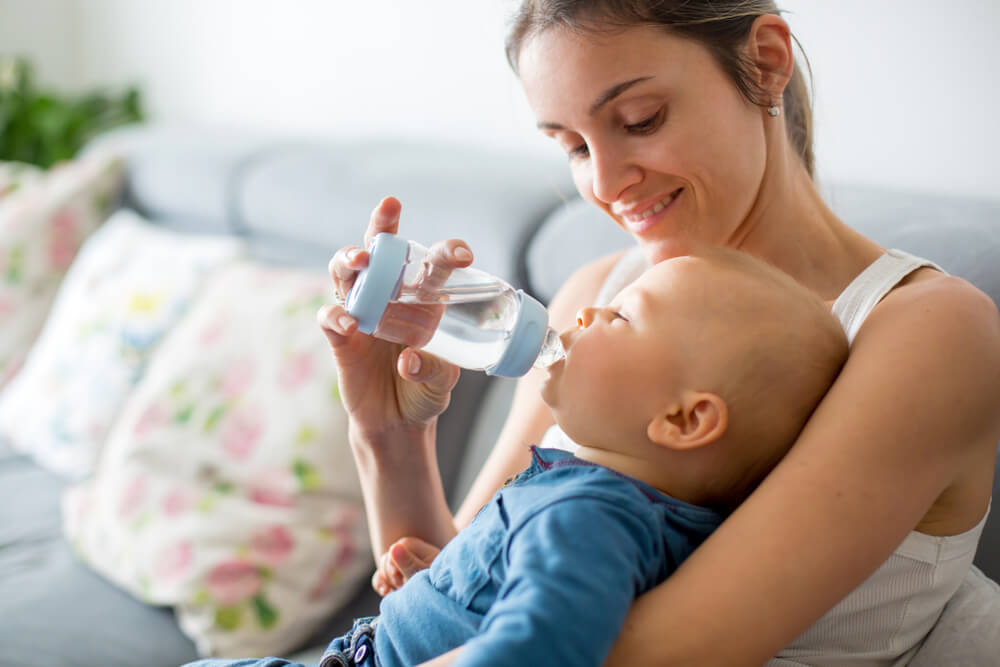
There is no universal brand or treatment method that qualifies as the best water for every baby formula. The safe choice is water from a known source, prepared according to the formula label and current guidance from the child’s clinician or local health authority. Powdered infant formula is not sterile. Water safety matters, but correct […]
Does Hard Water Cause Hair Loss? Breakage, Buildup, and Evidence
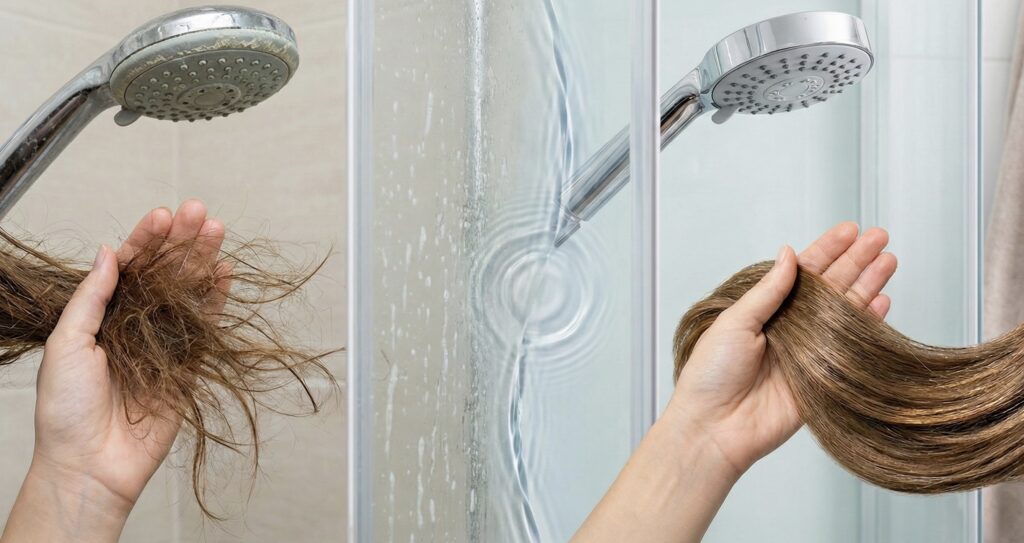
Hard water can leave mineral deposits on fixtures, shower glass, and hair. People commonly report roughness, dullness, tangling, or difficulty rinsing products. Those effects can increase friction and breakage, but they should not be confused with medically diagnosed hair loss from the follicle. The responsible answer is that hard water may affect hair condition, while […]
White Film on Dishes: Hard Water, Detergent, or Dishwasher Residue?
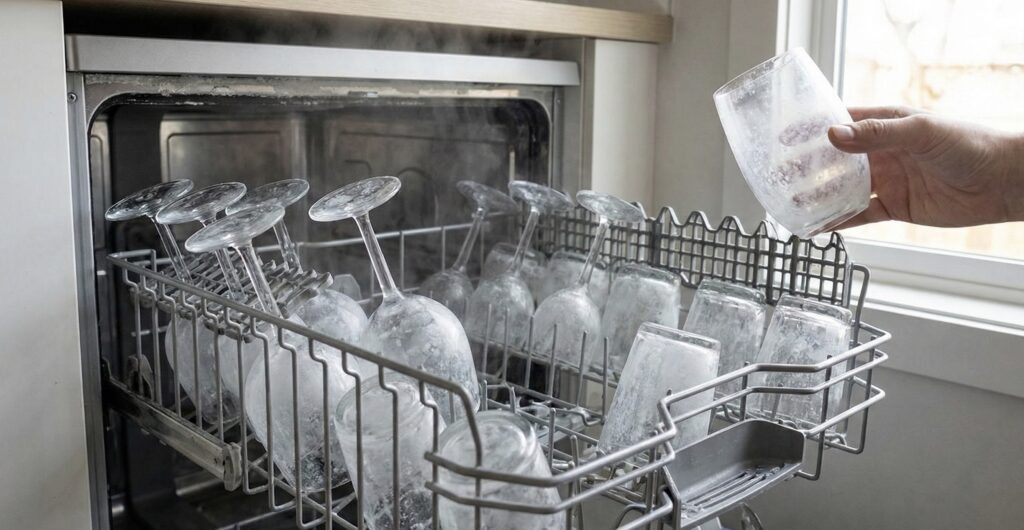
A white or cloudy film on dishes is often blamed on soap, but several different problems can look similar. Hard-water minerals are a common cause, yet excess detergent, low rinse temperature, blocked spray arms, poor draining, and permanent glass etching can also leave dishes looking dull. The most effective fix begins with diagnosis. Replacing detergent […]
Is Distilled Water Safe to Drink? Benefits, Limits, and Risks

Distilled water is produced by evaporating water and condensing the vapor into a separate container. The process can reduce many dissolved minerals, salts, metals, and nonvolatile contaminants. That makes it valuable for laboratories, appliances, medical equipment, and selected water-treatment applications. For drinking, the evidence is more nuanced than claims that distilled water is either “the […]
Does Boiling Water Remove Contaminants? What It Kills and Leaves Behind
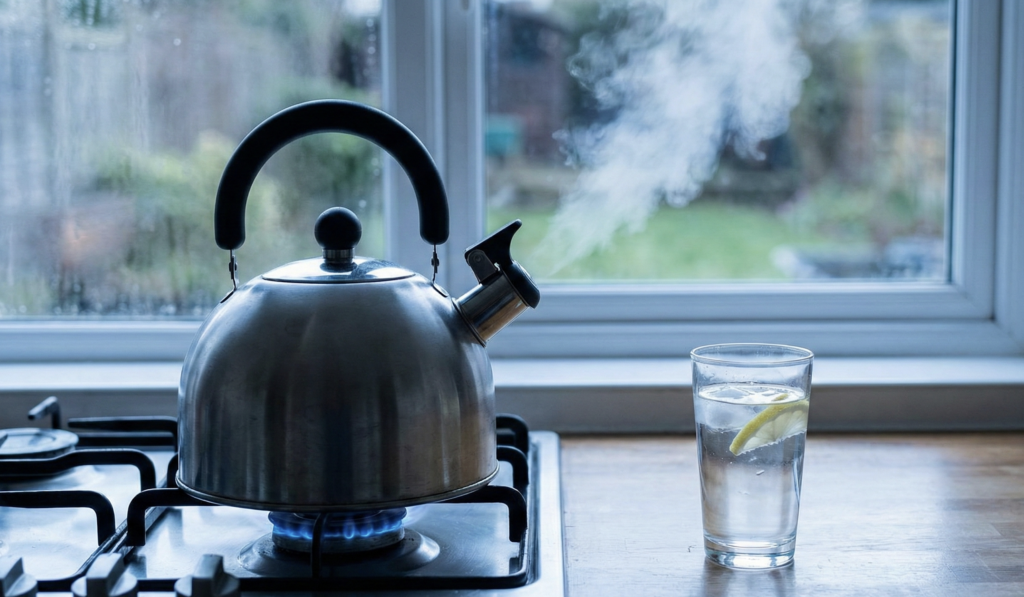
Boiling is one of the most useful emergency methods for making microbiologically unsafe water safer. It can inactivate many bacteria, viruses, and parasites. But boiling is not complete purification, and it should not be expected to remove lead, arsenic, nitrate, salts, or most dissolved chemicals. The right question is not “Is boiling good or bad?” […]
Hydration and Brain Health: What Water Can and Cannot Prevent

Hydration is necessary for normal brain, cardiovascular, and kidney function. Dehydration can contribute to headache, fatigue, dizziness, and reduced concentration. In severe cases, it can disturb circulation and electrolytes. That makes regular fluid intake important, but it does not mean that a glass of water can prevent a stroke. Stroke prevention requires a much broader […]
Chloramine vs. Chlorine: Differences, Filters, and Removal Limits

Chlorine and chloramine are both used to control microorganisms in public drinking water, but they are not interchangeable. Their chemistry, persistence, and treatment requirements differ, which is why a filter that performs well for free chlorine may provide limited chloramine reduction. The first step is to identify which disinfectant your utility uses. Check the annual […]
WaterSense Fixtures and Home Value: What the 289% Rise Really Means

In late 2025, Realtor.com reported a striking change in the language used to market homes: mentions of WaterSense fixtures rose 289.6% year over year. That number is meaningful, but it needs to be interpreted correctly. It does not mean water-efficient homes became 289% more valuable, and it does not prove that one plumbing upgrade will […]