
Best Water Filter for Your Home: How to Choose by Contaminant

The best water filter is not the system with the most stages or the longest contaminant list. It is the system that matches your water source, the specific substance or condition you want to address, the required flow, and the maintenance you will actually complete. Start with evidence. Review the utility’s Consumer Confidence Report, test […]
Limescale in Water: Causes, Effects and How to Reduce It
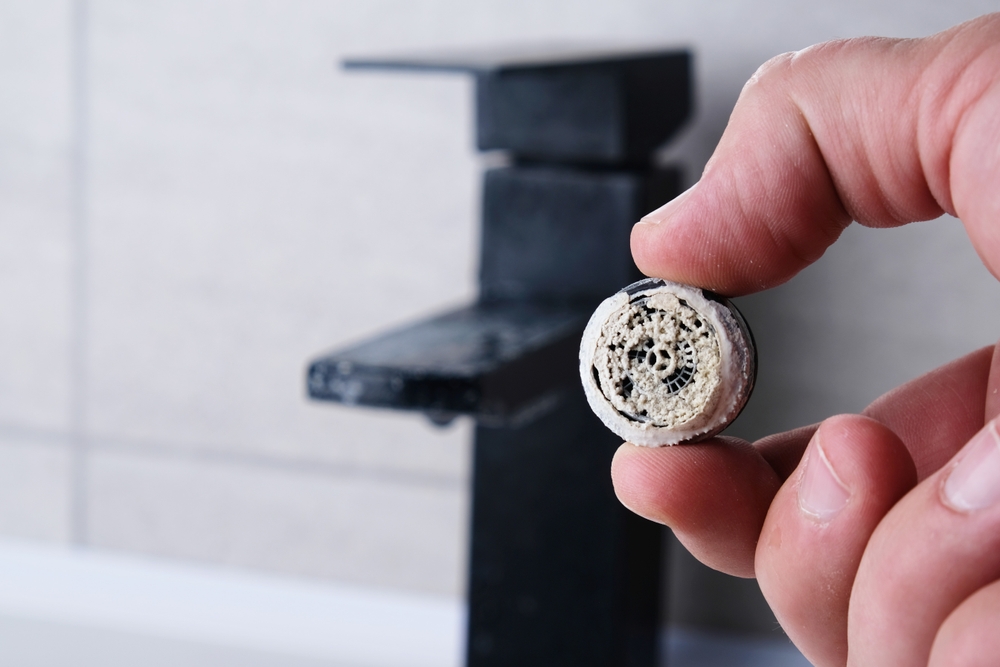
Limescale is the hard, chalky deposit that forms when minerals in hard water precipitate on surfaces. It commonly appears on faucets, shower screens, kettles, coffee machines, water-heater elements, and inside plumbing. It is mainly an operational and maintenance problem, not proof that the water is unsafe. The best solution depends on the goal. Cleaning removes […]
Can Activated Carbon Filter Hot Water? Temperature and Safety Limits
Activated carbon should not be used with hot water unless the exact filter, housing, seals, tubing, and installation are explicitly rated for the intended temperature. Carbon itself is used in many treatment applications, but a residential cartridge is a complete product with defined operating limits. Exceeding those limits can reduce performance, shorten service life, damage […]
How to Make Tap Water Taste Better: Fix Chlorine, Metal and Odors
Tap water can taste unpleasant even when it meets drinking-water standards. Chlorine, chloramine, metals from plumbing, stagnant water, naturally occurring minerals, and organic compounds can all change flavor or odor. The right fix depends on the cause, so the fastest route to better-tasting water is diagnosis rather than buying the most complex filter available. A […]
Radon in Water: Testing, Health Risks and Treatment Options
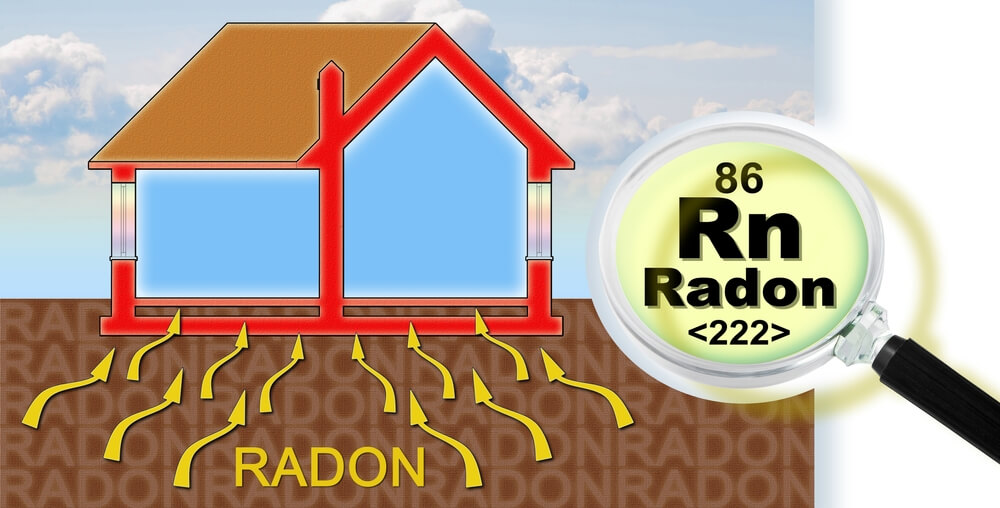
Radon in water is mainly a concern for homes that use groundwater or a private well. Radon is a naturally occurring radioactive gas. It has no color, smell, or taste, and testing is the only way to know whether it is present. The strongest evidence concerns radon in indoor air. The EPA identifies radon as […]
Microplastics in Tap Water: What We Know and How Filters Work

Microplastics have been detected in water, food, air, and human and animal tissues, but the science is still developing. Their presence is real. What remains uncertain is how much people are exposed to from a specific tap, which particle sizes matter most, and what long-term health effects occur at typical environmental levels. The most useful […]
Do You Need a Water Purifier? A Test-First Decision Guide

Not every home automatically needs a water purifier. The right answer depends on the water source, a utility report or laboratory test, the problem you want to solve, and the amount of maintenance you are prepared to perform. Buying the most complex system without that information can add cost without improving the water in a […]
Arsenic in Water: Testing, Safe Levels and Treatment Options
Arsenic in water cannot be identified by taste, smell, or appearance. It is a naturally occurring element that can enter groundwater from rock and soil, and it may also be associated with certain industrial or agricultural sources. Because exposure can continue unnoticed, testing is the first and most important step. The EPA regulates arsenic in […]
Do You Need a Whole House Water Filter? Benefits and Limits
Do you need a whole house water filter? Not automatically. A point-of-entry system is valuable when a water problem affects many fixtures, plumbing, appliances, or the entire incoming supply. When the concern is limited to drinking water at one tap, point-of-use treatment may be simpler and more economical. The CDC defines whole-home systems as treatment […]
Reverse Osmosis: Benefits, Disadvantages and When It Is Worth It
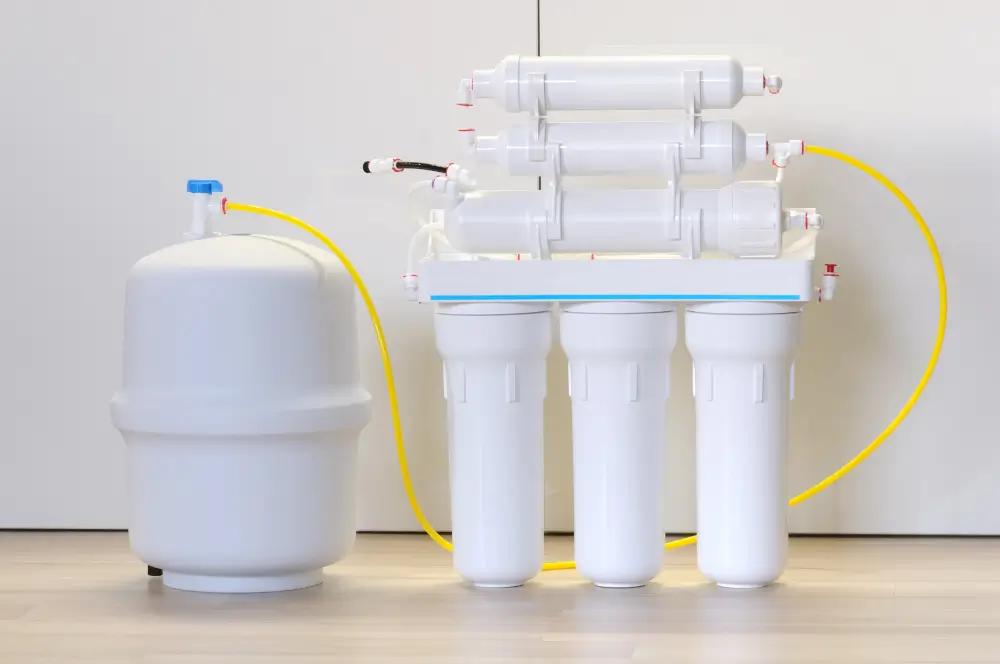
Reverse osmosis is neither a scam nor the right answer for every home. It is a well-established membrane process that can reduce many dissolved contaminants, microorganisms, salts, and minerals. Its disadvantages are practical: reject water, pressure, maintenance, slower production, space, and the possibility of using an intensive process when a simpler filter would be enough. […]